






Introduction: Why Water Tank Cleaning Sterilization Matters More Than Ever
Clean water tanks are vital for safe water supply — whether for homes, offices, or industries. Over time, water tanks accumulate algae, sediments, rust, and bacteria, creating health hazards and foul odors. Water tank cleaning, sterilization, and quality testing ensure that every drop remains safe and hygienic.
Water contamination can lead to diseases like cholera, dysentery, and typhoid. Regular sterilization and periodic quality testing not only protect health but also extend the life of your tank.
1. The Hidden Dangers of Dirty Water Tanks
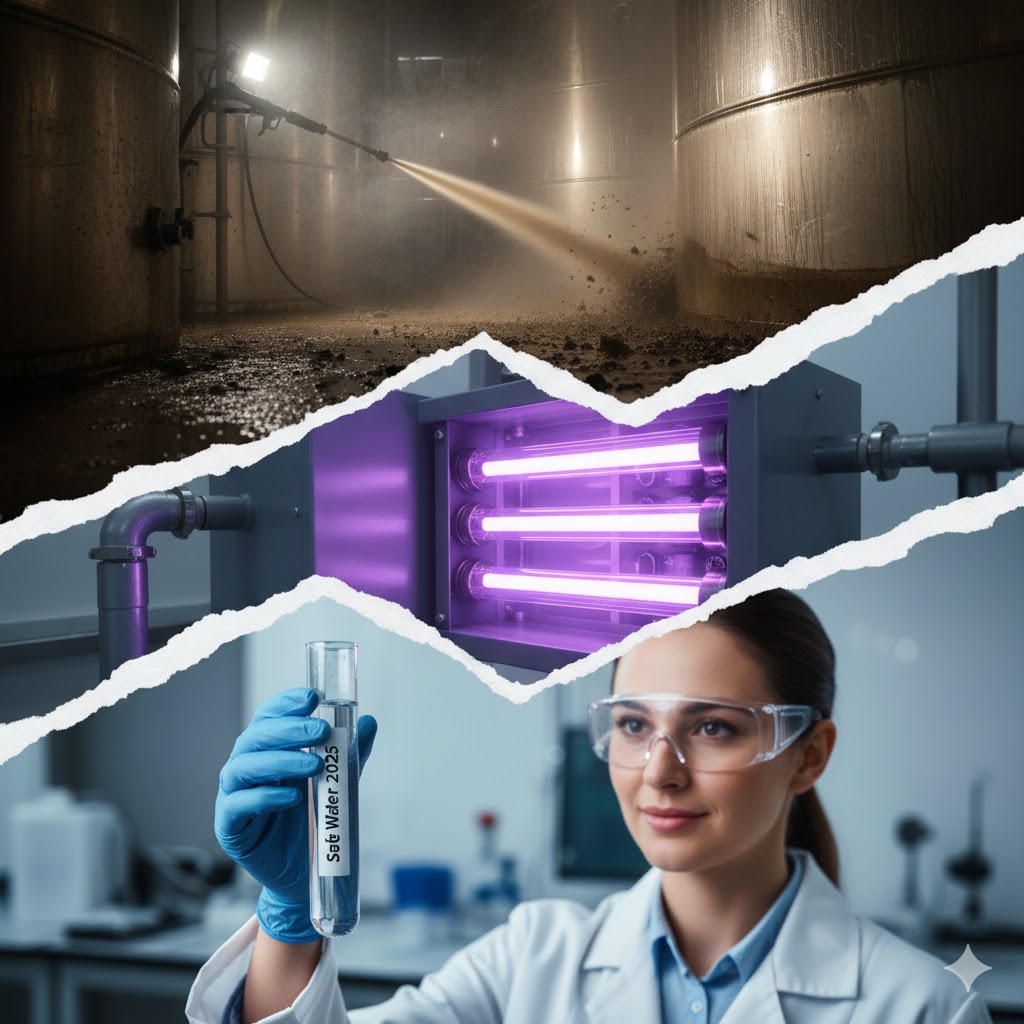
When tanks go uncleaned, microorganisms multiply. Biofilm layers form on tank walls, making standard disinfection difficult. Sediment buildup can clog pipes, while rust from metal tanks introduces iron contamination.
These conditions compromise both the taste and safety of your water — even if it looks clear.

2. Step-by-Step Water Tank Cleaning Process
Professional cleaning services follow a structured 6-step process:
- Drainage – Completely empty the tank.
- Scrubbing – Use non-toxic scrubbers to remove dirt and algae.
- High-pressure jet cleaning – Eliminates fine sediments.
- Vacuum cleaning – Removes loosened debris.
- Sterilization – Apply chlorine or UV treatment.
- Final rinse and inspection – Ensure chemical-free water.
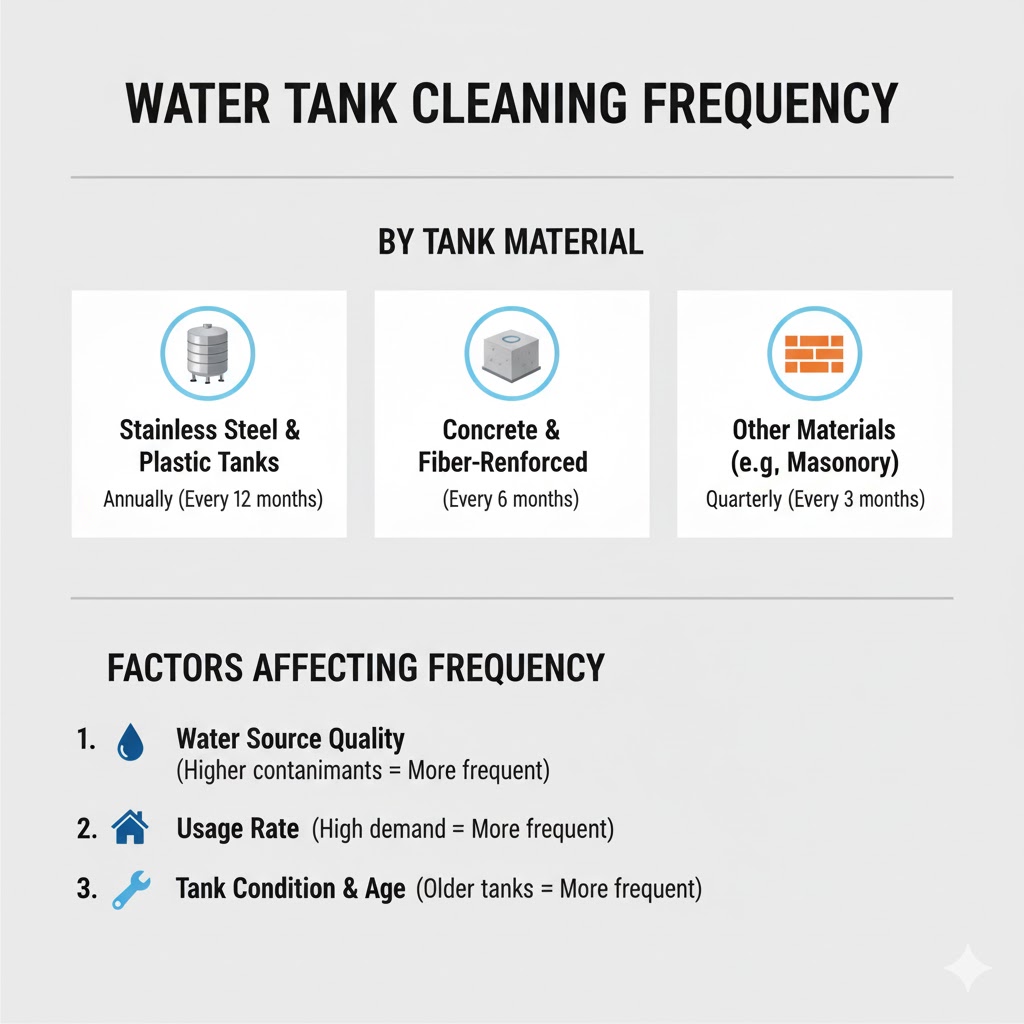
This process should be performed every 3 to 6 months depending on tank usage and water source quality.
3. Modern Sterilization Techniques Used in 2025
Traditional bleach methods are being replaced by eco-friendly sterilization approaches:
- Ozone disinfection – Destroys pathogens without chemical residue.
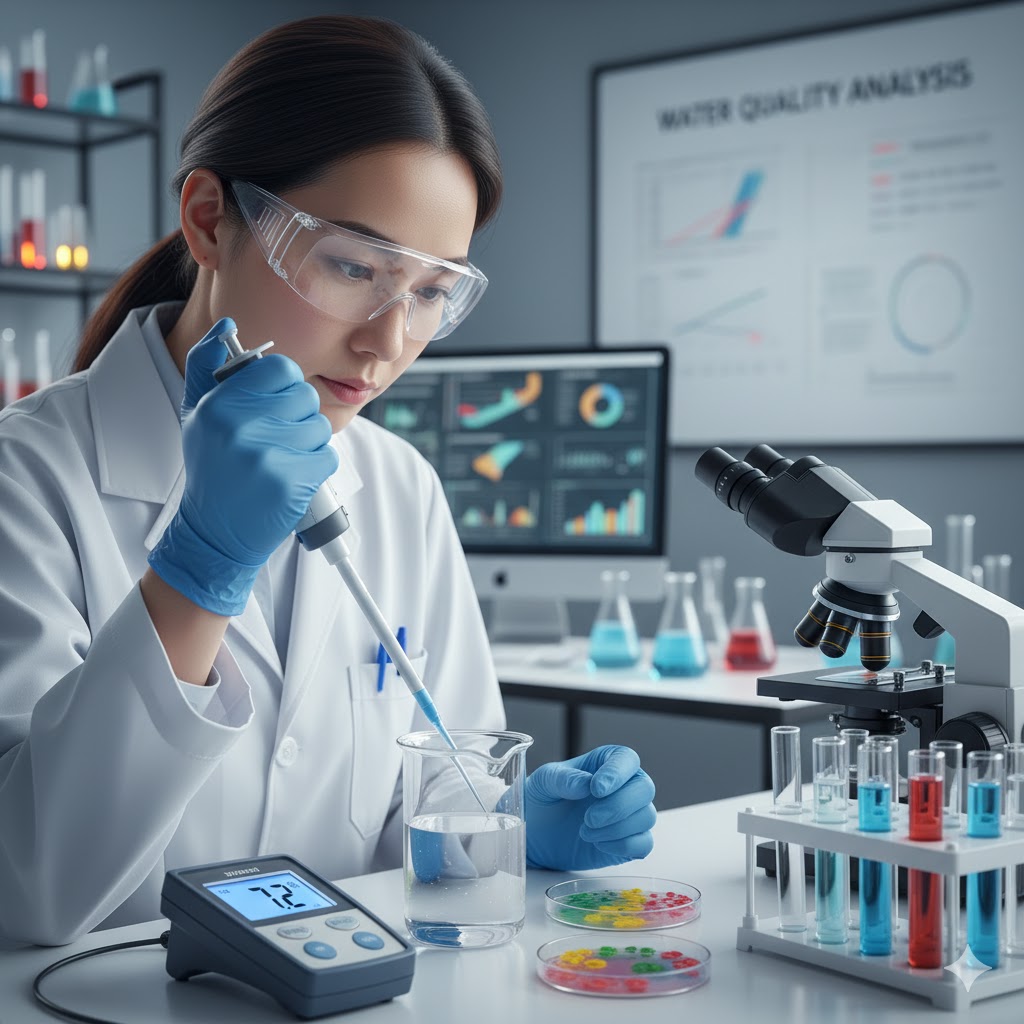
- UV-C sterilization – Uses ultraviolet rays to neutralize bacteria and viruses.
- Hydrogen peroxide treatment – A safe oxidizing agent for tank walls.
These methods align with WHO and EPA water hygiene standards, offering sustainable long-term results.

4. Importance of Water Quality Test Reports
After cleaning and sterilization, a water quality test report validates the success of the process. It examines:
- pH balance (6.5 – 8.5 ideal range)
- Turbidity (clarity)
- Total Dissolved Solids (TDS)
- Microbial contamination (E. coli, coliforms)
- Heavy metal presence
Certified laboratories issue these reports, ensuring compliance with Pakistan Council of Research in Water Resources (PCRWR) or equivalent authorities.

5. Signs Your Water Tank Needs Immediate Cleaning
- Unpleasant smell or metallic taste
- Visible algae or rust flakes
- Water discoloration
- Reduced flow from taps
- Reports of waterborne illness in household
If any of these appear, it’s time for professional cleaning and testing.
6. Recommended Cleaning Frequency by Tank Type
| Tank Type | Recommended Frequency | Cleaning Method |
|---|---|---|
| Plastic (PVC) | Every 3 months | Manual + UV sterilization |
| Concrete | Every 6 months | Jet + chlorine treatment |
| Metal | Every 4 months | Rust removal + peroxide rinse |
| Underground | Every 2 months | Ozone + vacuum system |
Consistent cleaning avoids long-term maintenance costs.
7. DIY vs. Professional Cleaning — Which is Better?
While small household tanks can be cleaned manually, professional water tank cleaning services ensure complete sanitization with industrial equipment and certified disinfectants.
DIY cleaning often misses corners, allowing bacteria regrowth. Hence, hiring certified technicians guarantees long-term safety and verified quality reports.

8. The Role of Water Tank Maintenance in Public Health
Contaminated storage tanks are a silent cause of urban health issues. Regular maintenance reduces disease risk, lowers hospital visits, and supports government hygiene initiatives.
Cities like Dubai and Karachi have made periodic cleaning certification mandatory for commercial facilities, proving its public health value.

9. Eco-Friendly Products for Tank Cleaning
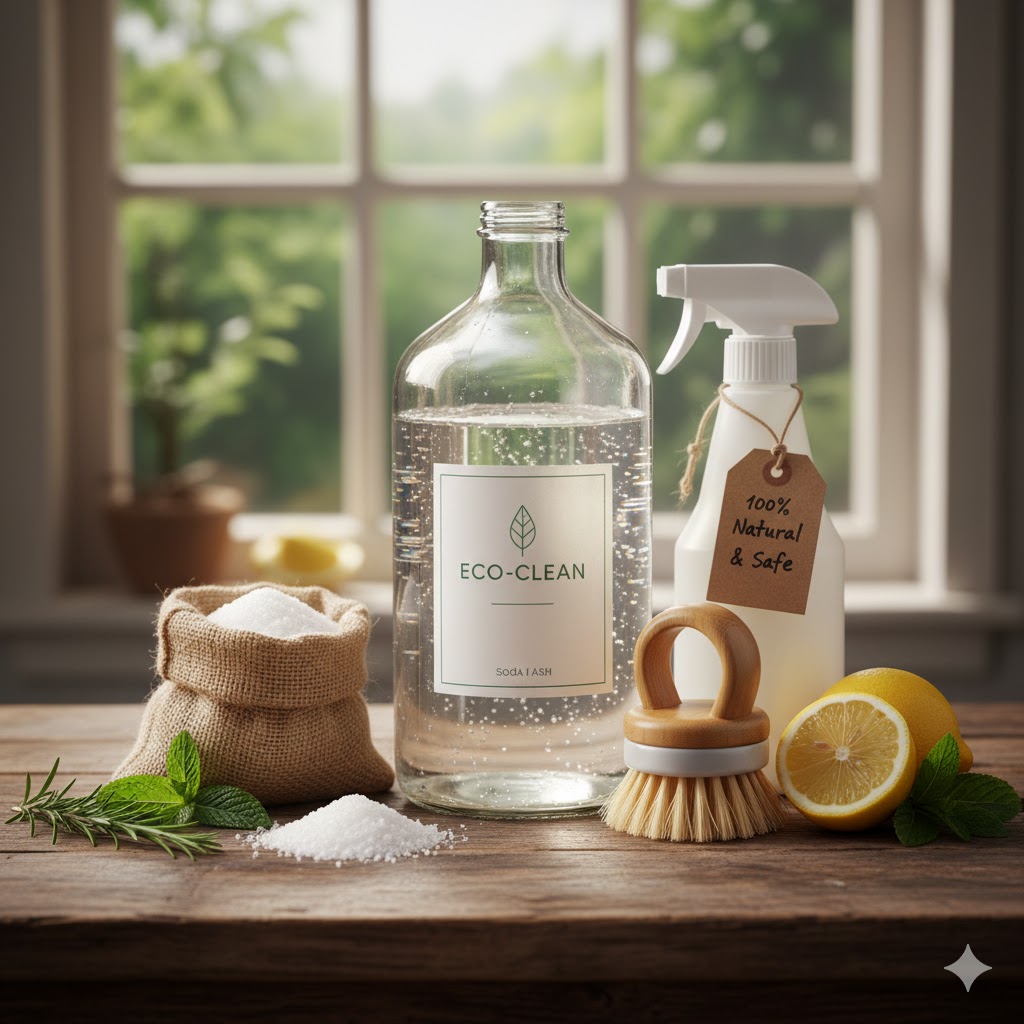
Avoid harmful chemicals like phenols and strong acids. Use biodegradable cleaners containing citric acid, baking soda, or plant-based surfactants. These maintain safety without corroding tank materials or polluting wastewater.
10. Post-Cleaning Maintenance Tips
- Keep the tank covered tightly to prevent dust or insects.
- Regularly inspect float valves and filters.
- Add a silver ion sterilization stick for continuous disinfection.
- Schedule quarterly water tests with a recognized lab.

FAQs About Water Tank Cleaning, Sterilization & Quality Test Report
1. How often should I clean my water tank?
Every 3–6 months depending on water usage, location, and tank material.
2. Can I use household bleach for sterilization?
Yes, but it must be diluted properly and rinsed thoroughly to avoid chlorine residue.
3. What is the safest sterilization method?
Ozone and UV-C sterilization are the most eco-safe, leaving no chemical residue.
4. Who can issue a water quality test report?
Only certified labs recognized by PCRWR or similar authorities.
5. How long does professional cleaning take?
Typically 2–3 hours for a standard 1000-gallon tank.
6. Does sterilization damage the tank?
No, when performed correctly using approved materials.
7. What causes foul smell in stored water?
Bacterial growth or decomposing organic matter inside the tank.
8. Is water testing expensive?
Basic testing is affordable and costs less than waterborne disease treatment.
9. Can I drink water immediately after cleaning?
Wait for lab test confirmation or at least one full refill cycle.
10. What if the test report shows contamination?
Repeat sterilization and inspect pipelines for bacterial regrowth.
11. What is TDS in water testing?
TDS stands for Total Dissolved Solids — it measures mineral and salt levels.
12. Does sunlight affect tank water quality?
Yes, direct sunlight promotes algae growth; use opaque tank covers.
13. Are stainless steel tanks easier to maintain?
Yes, they resist rust and bacterial buildup better than concrete or plastic tanks.
14. How can I prevent tank contamination naturally?
Install a sediment filter and cover vents with fine mesh to block insects.
15. Is water tank cleaning mandatory for businesses?
Yes, most municipal bylaws require quarterly tank hygiene certification.
Expert advice:
Maintaining a clean and sterile water tank is not optional — it’s essential for protecting your health, plumbing, and property. Through modern sterilization methods, regular inspections, and certified water quality testing, you ensure pure, safe water every day.
Investing in professional services saves money and peace of mind in the long run. Make water tank cleaning part of your hygiene routine, not an afterthought.

Read our full guide on 7 Proven Benefits of Water Tank Cleaning & Antibacterial Coating
Visit World Health Organization (WHO) for official Drinking Water Quality Guidelines