





Water-Tank Cleaning with Anti-Bacterial Coating – Beyond Just Emptying Tanks
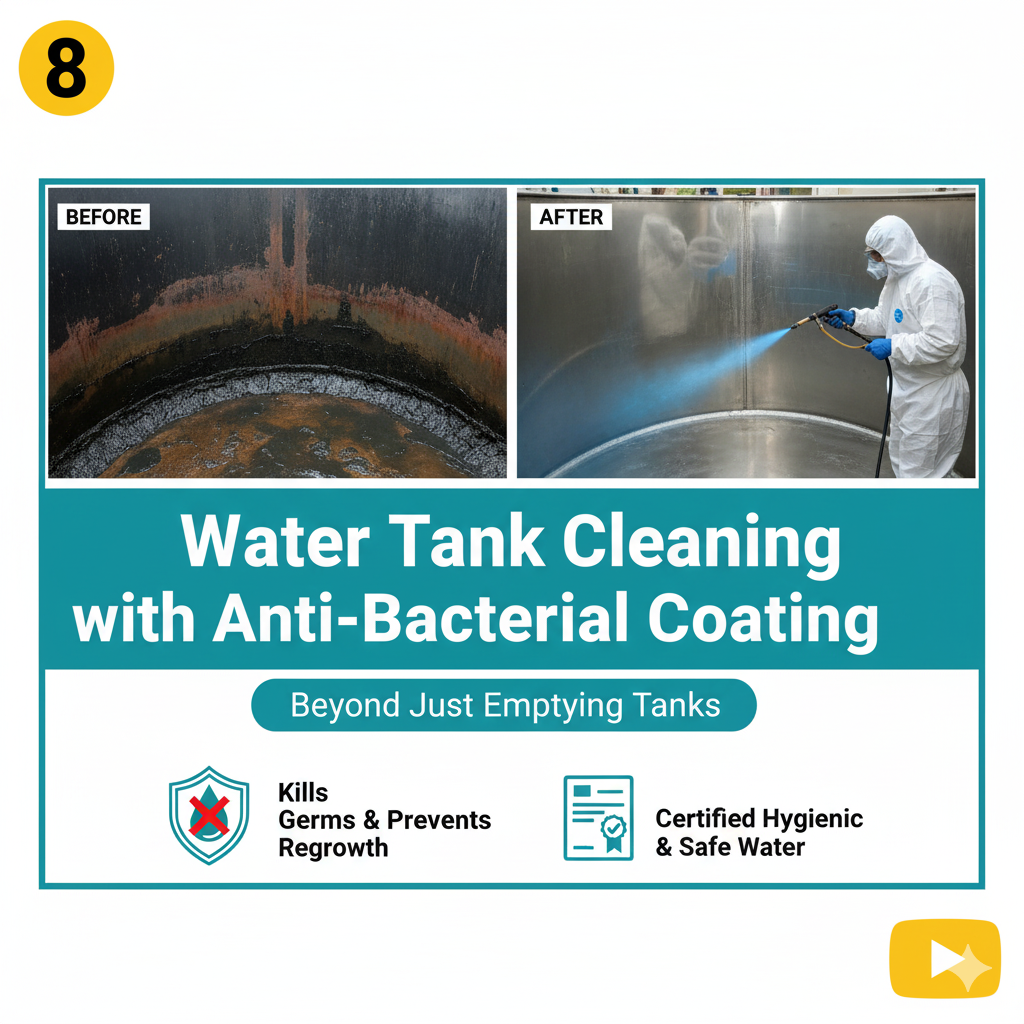
Water Tank Cleaning is more than just draining and rinsing a tank — it’s about ensuring every drop you drink or use is safe, clean, and free from harmful bacteria. In many homes and offices, water tanks often remain neglected for months, leading to algae buildup, sediment, rust, and even microbial contamination.
This is where antibacterial coating and professional cleaning methods add real hygiene value. Around the world — especially in countries like the U.S., UAE, and Singapore — water tank cleaning is treated as a health essential. Yet in Pakistan and South Asia, many still rely on untrained cleaners or DIY rinsing methods, which can leave harmful bacteria behind.
This comprehensive guide explains 7 proven benefits of professional water tank cleaning with antibacterial coating, the process, costs, safety standards, and why this service deserves more attention locally.
🧴 1. Why Water Tank Cleaning Matters More Than You Think
Even though water appears clear, storage tanks are breeding grounds for invisible contaminants. Sediment, chlorine by-products, and bacteria can cling to tank walls and surfaces over time.
Professionally conducted water tank cleaning ensures removal of:
- Algae and fungal growth
- Mud, sand, or silt at the bottom
- Iron deposits and scale buildup
- Bacteria like E. coli and Legionella
According to World Health Organization (WHO) studies, contaminated household water can increase risk of diarrhea, skin diseases, and respiratory infections.
🔗 External Link Suggestion: WHO Guidelines for Drinking-water Quality
2. What Is Anti-Bacterial Coating and How It Works
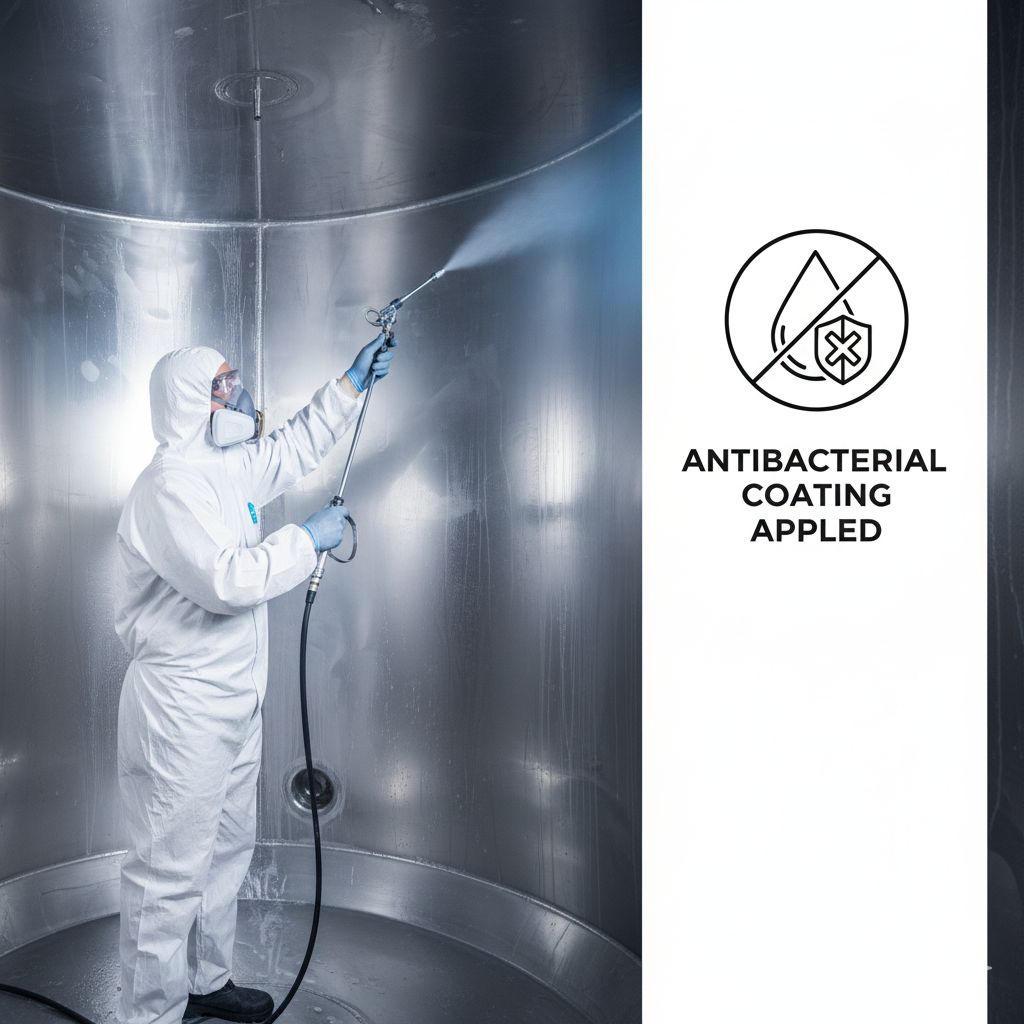
After standard cleaning, professionals apply an antibacterial polymer or epoxy-based coating inside the tank. This layer prevents future bacterial growth and makes the tank surface non-stick and easier to sanitize next time.
It’s a food-grade, non-toxic coating that meets global standards (FDA & ISO certified). It resists:
- Microbial buildup
- Rust and corrosion
- Algae regrowth
3. Step-by-Step Process of Professional Water Tank Cleaning
The cleaning process typically includes:
- Drainage & Inspection – Emptying the tank completely.
- Sludge Removal – Removing silt and residue manually or with suction tools.
- High-Pressure Jet Cleaning – Washing walls with mechanical jets.
- Antibacterial Spray or Chlorination – Eliminating remaining bacteria.
- Antibacterial Coating Application – Protective layer to prevent regrowth.
- Drying & Final Testing – Checking pH, turbidity, and clarity of water.

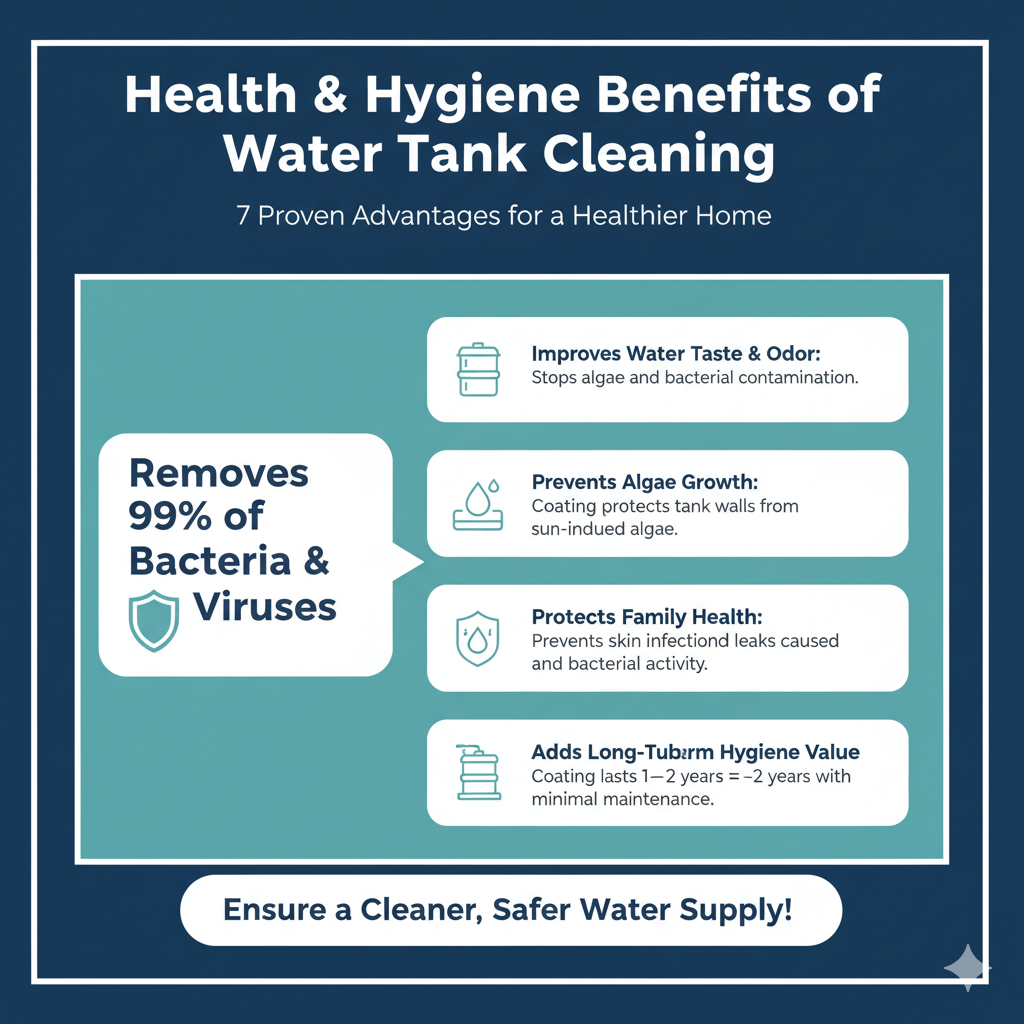
🧫 4. Health & Hygiene Benefits (7 Proven Advantages)
- Removes 99% of Bacteria & Viruses – Eliminates E. coli and fungi from tank surfaces.
- Improves Water Taste & Odor – Stops algae and bacterial contamination.
- Prevents Algae Growth – Coating protects tank walls from sun-induced algae.
- Protects Family Health – Reduces skin infections and waterborne diseases.
- Extends Tank Life – Prevents corrosion and leaks caused by bacterial activity.
- Maintains Plumbing Efficiency – Cleaner water = fewer blockages.
- Adds Long-Term Hygiene Value – Coating lasts 1–2 years with minimal maintenance.
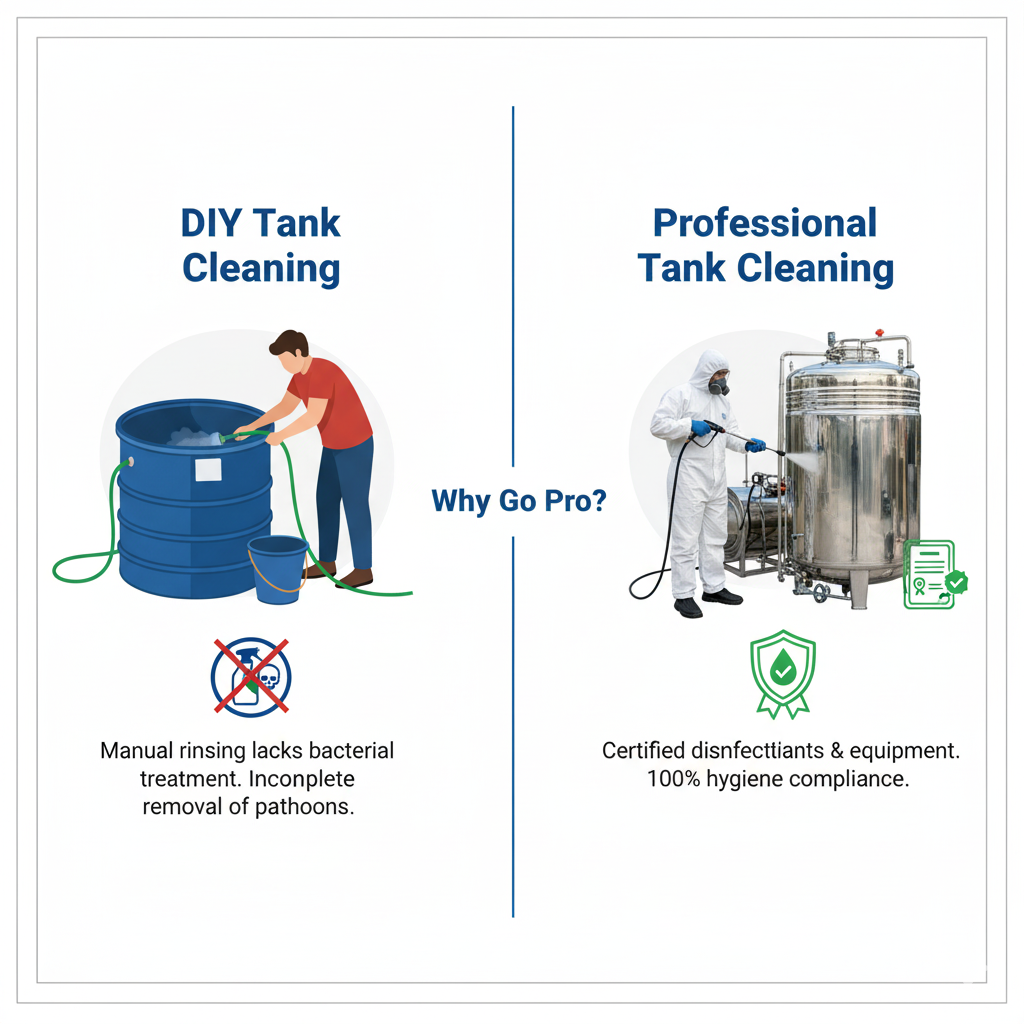
🧼 5. DIY vs. Professional Tank Cleaning
While you can empty and rinse small tanks manually, DIY cleaning lacks bacterial treatment.
Professional services use certified disinfectants and equipment ensuring 100% hygiene compliance.
🔗 Internal Link Suggestion:
“See also: Mattress Deep Cleaning & Dust Mite Removal
6. Cost & Frequency of Water Tank Cleaning
| Tank Size | Frequency | Estimated Cost (PKR) |
|---|---|---|
| 500–1000 L | Every 3 months | 2,000–3,000 |
| 1000–2000 L | Every 6 months | 4,000–5,000 |
| Overhead + Underground Combo | Twice a year | 8,000–12,000 |
Tip: Always request antibacterial coating for longer hygiene duration.
7. Why This Industry Is Growing Abroad
In countries like UAE, Singapore, and the U.S., water hygiene laws require scheduled cleaning of storage tanks in apartments and offices.
- In Dubai, municipality-approved cleaners must perform tank disinfection every 6 months.
- In the U.S., OSHA recommends microbial testing for tanks in schools and commercial buildings.
Despite being crucial, water tank cleaning in Pakistan is still largely informal — offering entrepreneurs a huge untapped market.
🧠 8. Choosing the Right Service Provider
When hiring a professional cleaner, check for:
- Municipality or health department approval
- Use of FDA-certified antibacterial coatings
- Transparent cleaning process
- pH and bacterial testing reports
- Proper safety gear and ventilation
💬 FAQs
Q1. How often should I get my water tank cleaned?
Every 3–6 months depending on usage, climate, and tank type.
Q2. What is antibacterial coating made of?
Usually a polymer or epoxy layer containing safe antibacterial agents like silver ions or quaternary compounds.
Q3. Can I stay home during cleaning?
Yes, it’s safe. Professionals usually finish in 2–3 hours.
Q4. Is coating necessary every time?
No — once coated, it lasts up to 18–24 months depending on water quality.
Q5. Does it affect water taste or color?
No. The coating is food-grade, odorless, and colorless.
🌟 Expert Advice:
Water Tank Cleaning with antibacterial coating is no longer a luxury — it’s a health investment. It safeguards your water source, prevents bacterial contamination, and prolongs tank life.
As awareness of hygiene grows, Pakistan’s urban households and offices must recognize this service as vital, not optional. Just as you maintain your air ducts, carpets, and mattresses, your water tank deserves regular antibacterial care too.
🔗 Related Topics: Eco-Friendly Sofa & Carpet Cleaning
Source: CDC Water Storage Safety Guide