



Very Popular Abroad After COVID, But Barely Covered Locally
Introduction: UV light disinfection homes offices
When the COVID-19 pandemic reshaped our lives, the global spotlight turned to hygiene and sanitation technologies that could reduce infection risks. Among them, Ultraviolet (UV) light disinfection became extremely popular in the U.S., Europe, and parts of Asia. From hospitals to homes, UV light sanitizers were deployed to neutralize viruses, bacteria, and fungi without chemicals.
Yet, despite its proven effectiveness, UV disinfection remains under-discussed in local markets like South Asia, the Middle East, and Africa. While people invest in surface sprays and hand sanitizers, UV technology barely enters the conversation.
This article explores:
- What UV light disinfection is and how it works.
- Its proven benefits for homes and offices.
- Global adoption trends vs. local gaps.
- Safety concerns and best practices.
- Why it deserves more awareness locally.
What is UV Light Disinfection?
UV light disinfection, often called UV-C sterilization, uses short-wavelength ultraviolet light (200–280 nm) to inactivate microorganisms by damaging their DNA and RNA.
- UV-A (315–400 nm): Mostly tanning & cosmetic uses.
- UV-B (280–315 nm): Responsible for sunburn.
- UV-C (200–280 nm): Germicidal wavelength used for disinfection.
How It Works:
When surfaces, air, or water are exposed to UV-C, pathogens lose the ability to reproduce, effectively rendering them harmless.


Why Did UV Disinfection Become Popular After COVID?
- Hospitals abroad installed UV robots to disinfect patient rooms within minutes.
- Airlines like Emirates and Delta used handheld UV wands to sanitize airplane cabins.
- Homes in the U.S. & Europe adopted UV phone sterilizers, toothbrush cleaners, and portable UV lamps.

🔗 External Reference Link: World Health Organization – UV Disinfection Guidance
Locally, however, adoption lagged due to:
- Lack of awareness.
- Misconceptions about safety.
- Limited marketing by local appliance companies.
Benefits of UV Light Disinfection for Homes
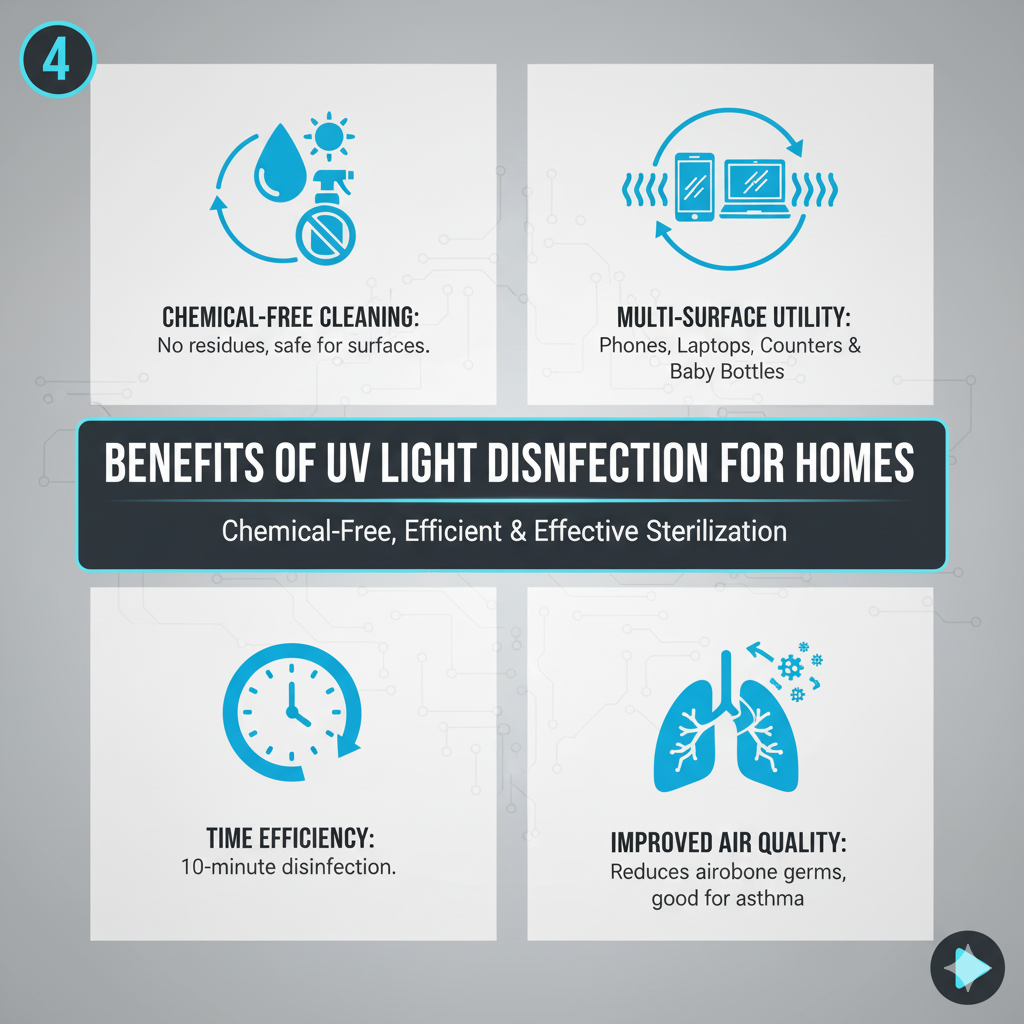
- Chemical-Free Cleaning: Unlike bleach or sprays, UV light doesn’t leave residues.
- Multi-Surface Utility: Works on phones, laptops, kitchen counters, and baby bottles.
- Time Efficiency: A 10-minute exposure can disinfect a room or object.
- Air Quality: UV air purifiers reduce airborne germs, useful for asthma patients.
Benefits for Offices & Workspaces
- Shared Devices: Keyboards, printers, and meeting tables can be sanitized.
- HVAC Integration: UV lamps inside ventilation systems reduce mold and bacteria spread.
- Employee Confidence: Demonstrates proactive safety, which boosts morale.

🔗 Related Suggestion: If you have a local “Office Hygiene Tips” article,
Global Adoption vs. Local Gaps
- USA & Europe: Widespread use in hospitals, hotels, schools, and homes.
- China & Japan: Strong market for consumer UV devices.
- Local Markets (Pakistan, India, Middle East, Africa): Rarely advertised, often imported at high cost.
Case Example:
A study in the American Journal of Infection Control found UV-C devices reduced healthcare-acquired infections by 30%. Yet, local hospitals mostly rely on manual cleaning.
Safety Concerns & Misconceptions
Common Myths:
- “UV light is harmful like sunlight” → Fact: Properly shielded UV-C devices are safe.
- “It causes radiation sickness” → Fact: UV-C is non-ionizing, not like X-rays.
Safety Guidelines:
- Avoid direct exposure to skin/eyes.
- Use timer-based or motion-sensor devices.
- Choose certified products (CE, RoHS, or FDA-approved).

Types of UV Disinfection Devices
- Portable UV Wands – For surfaces like desks, door handles.
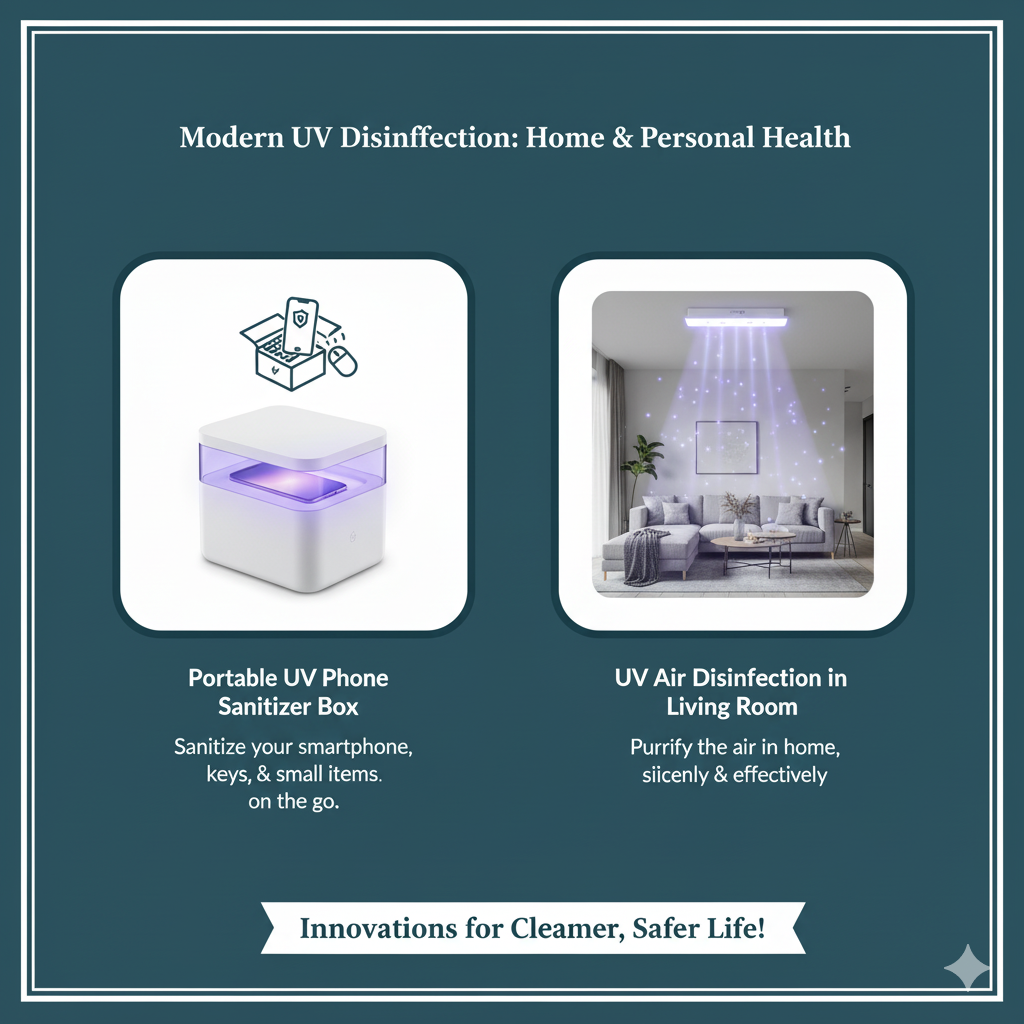
- UV Boxes/Chambers – For gadgets, masks, personal items.
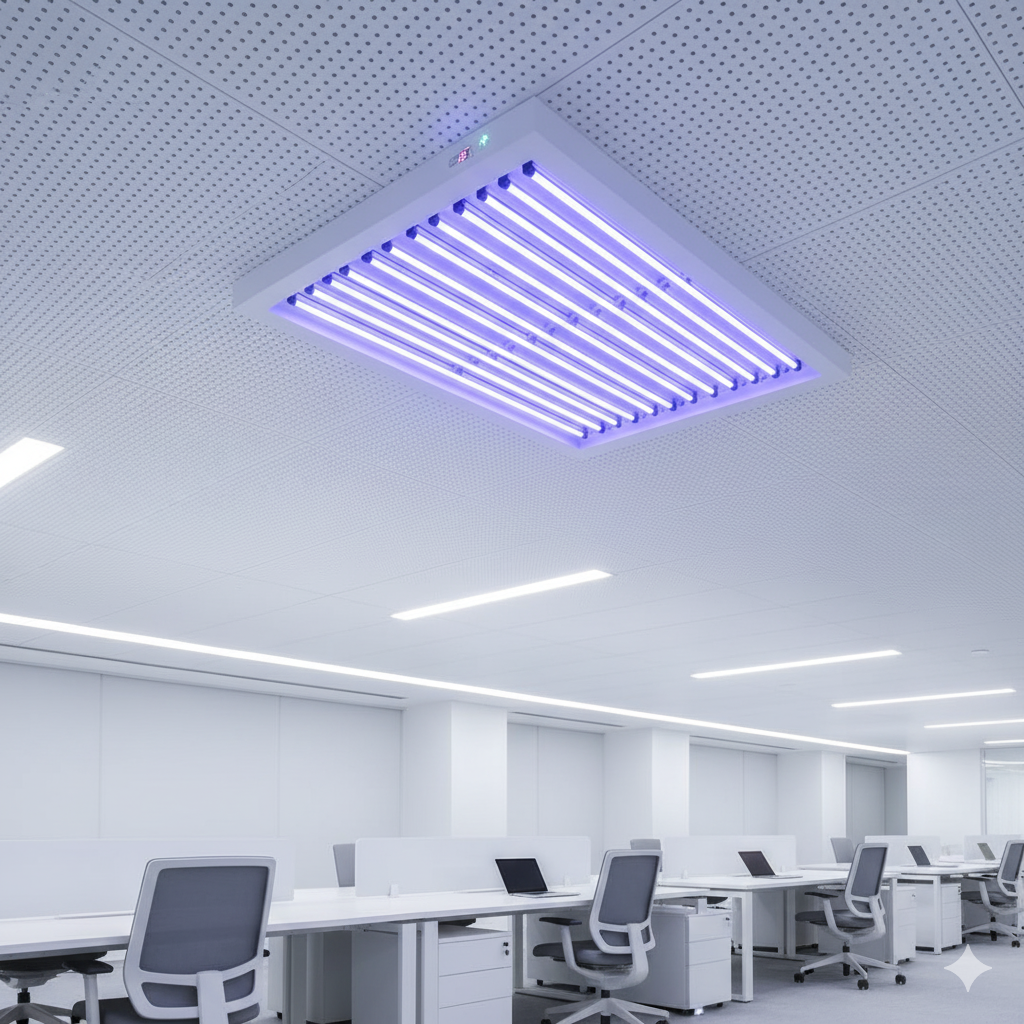
- Ceiling-Mounted UV Lights – Ideal for offices & hospitals.
- HVAC UV Units – Installed inside air ducts.
- Robot-Based UV Systems – Used in hospitals abroad.
🔗 External Link Example: CDC UV Disinfection Insights
Why Local Awareness is Crucial
- High-density living environments need faster disinfection.
- Seasonal viral outbreaks (flu, dengue, COVID variants) demand preventive hygiene.
- Small businesses and schools could benefit from cost-effective UV setups.
🔗 Internal Link Suggestion: “Learn more about Affordable Smart Home Devices.”
Practical Buying Guide
What to Check Before Buying:
- Certification: FDA, CE, RoHS.
- Size: Portable vs. room-scale.
- Lifespan: 8,000–10,000 hours typical.
- Price Range:
- Portable wand: $20–$50
- UV box: $40–$100
- Room lamps: $200–$500+

Experts Advice: Why We Need to Catch Up
While the rest of the world has embraced UV light disinfection, local awareness remains minimal. Investing in these technologies can improve hygiene, reduce infections, and modernize both homes and workplaces.
UV disinfection is not a “luxury gadget” — it’s a public health tool. With proper awareness, cost reduction, and safe usage, it can become as common as hand sanitizers.





2 Comments