





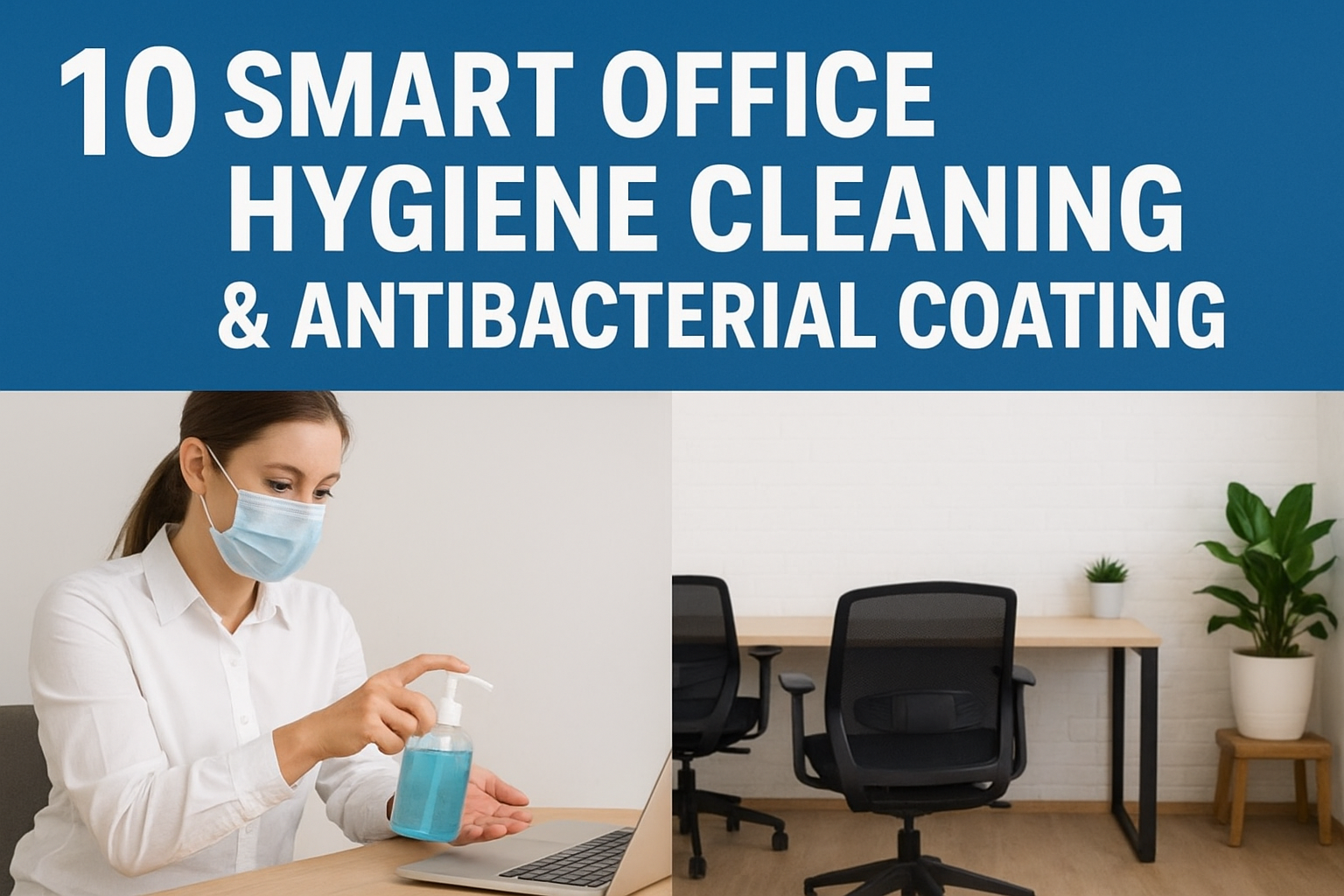
Office hygiene plays a major role in productivity, employee health, and company reputation. A tidy workspace reduces stress, prevents illness, and reflects professionalism.
After COVID-19, hygiene awareness grew globally — yet many workplaces still overlook daily cleaning habits. From sanitizing desks to maintaining indoor air quality, a clean office can reduce absenteeism by up to 30%, according to Harvard Business Review.
🌟 1. Keep Your Desk Clutter-Free
Clutter attracts dust and bacteria. A clean desk not only looks professional but boosts focus.
- Clear papers and cables daily.
- Wipe surfaces with disinfectant before leaving.
- Use organizers to store stationery neatly.
🧠 Pro Tip: A study from Princeton University found that organized spaces improve decision-making and creativity.

2. Disinfect Shared Equipment Regularly
Printers, keyboards, telephones, and shared desks are hotspots for germs.
Encourage staff to:
- Use disinfectant wipes before and after touching devices.
- Assign personal keyboards if possible.
- Schedule weekly deep sanitization.
🔗 Source: CDC – Cleaning and Disinfection Guidelines for Workplaces
3. Promote Hand Hygiene Culture
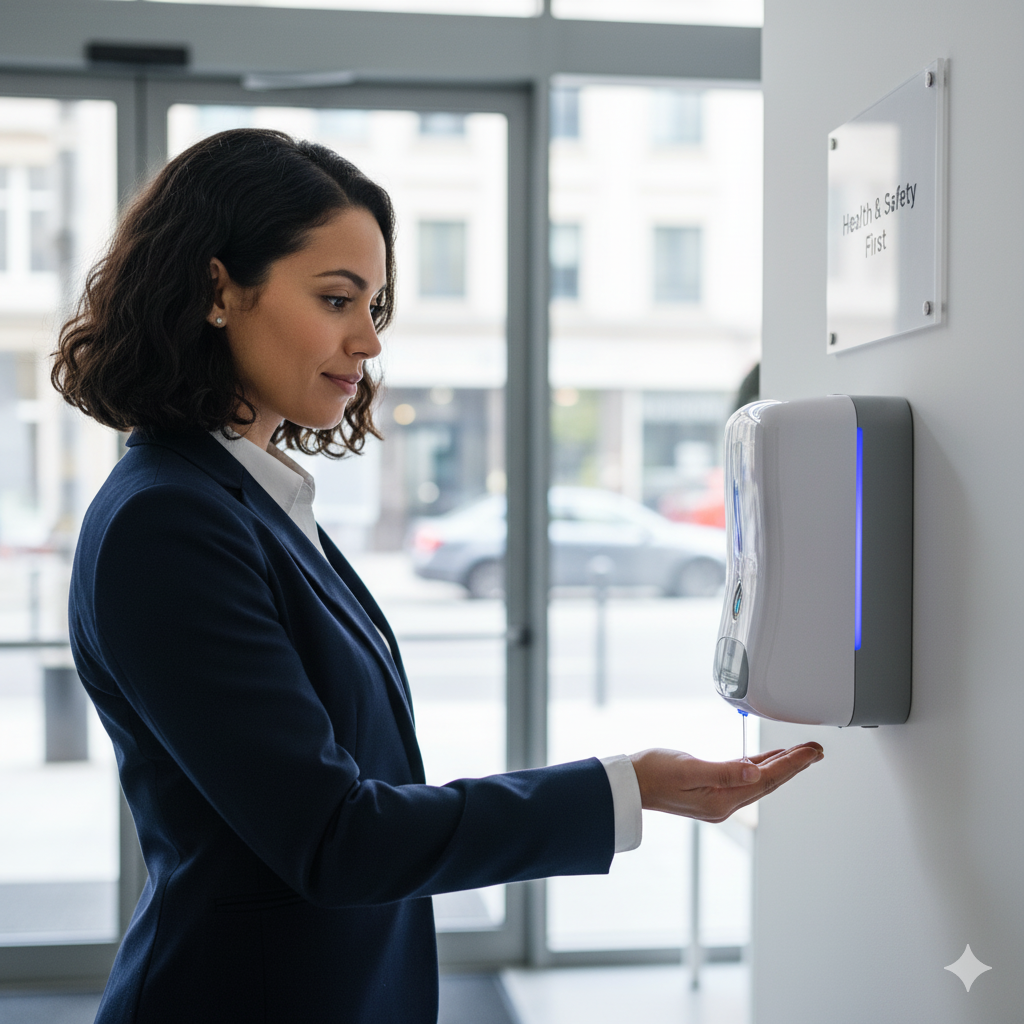
Install hand sanitizing stations at key points: entrances, cafeterias, restrooms, and meeting rooms.
Regular reminders (digital or posters) can raise compliance rates by over 70%, as seen in WHO hygiene studies.
4. Improve Indoor Air Quality
A clean workspace also means fresh air. Dust and bacteria accumulate in HVAC ducts, causing allergies and fatigue.
Use:
- HEPA filters in air conditioners.
- Natural purifiers like snake plants and peace lilies.
- Regular Air Duct & HVAC Cleaning (see internal link below).
🔗 Related Topics: Air Duct & HVAC Cleaning Services
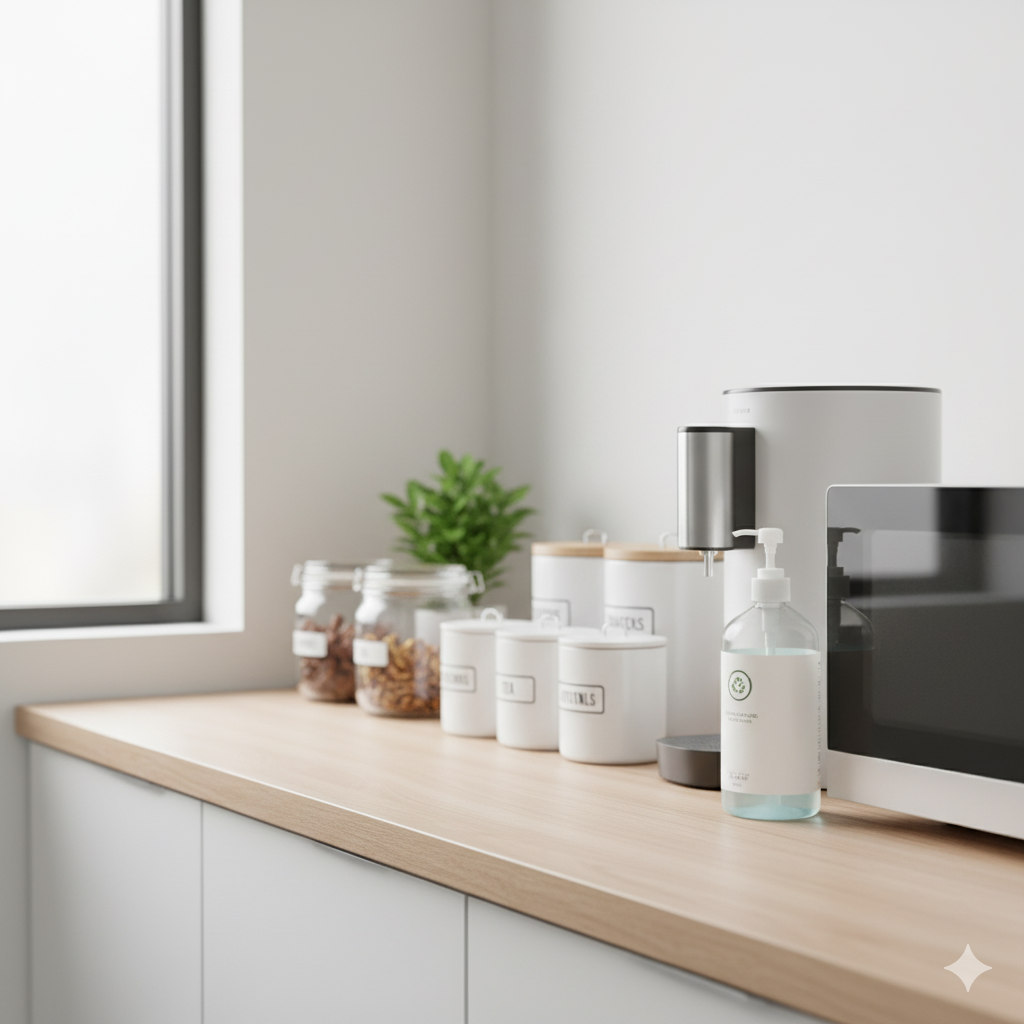
5. Keep Pantry & Cafeteria Germ-Free
Pantry hygiene often gets ignored. Encourage:
- Cleaning spills immediately.
- Disinfecting microwave and fridge weekly.
- Avoiding shared cutlery and cups.
🪟 6. Schedule Professional Deep Cleaning
Once a month, hire professional office cleaning services that handle:
- Carpet & upholstery steam cleaning.
- Window washing.
- Restroom disinfection.
- Waste management.
Such services ensure compliance with OSHA and health standards, improving overall air quality and hygiene.
🔗 Internal Link: Eco-Friendly Sofa & Carpet Cleaning
7. Maintain Restroom Hygiene
Dirty restrooms can ruin workplace morale and reputation.
Ensure:
- Daily disinfecting.
- Auto-sensor taps and soap dispensers.
- Exhaust ventilation for odor control.

8. Encourage Personal Hygiene Among Employees
Good office hygiene starts with individuals. HR should:
- Provide hygiene training and reminders.
- Encourage handwashing after meetings or breaks.
- Provide tissues, sanitizers, and disposable masks at each desk.
🧠 Did You Know?
Employees touch their face 16 times an hour on average — transferring germs easily between surfaces.
🗑️ 9. Manage Waste Responsibly
Bins should be lined, covered, and emptied daily.
Segregate:
- Wet Waste – leftover food, tissue.
- Dry Waste – papers, wrappers.
- Recyclables – bottles, cans, plastic.
🔗 External Link: EPA Waste Management Best Practices
10. Conduct Monthly Hygiene Audits
Audit reports help track cleanliness consistency and identify weak areas.
- Assign hygiene officers.
- Use digital checklists.
- Reward best-kept departments to encourage team motivation.
🏢 Extra Tips for Modern Offices
- Keep windows open for 10–15 minutes daily.
- Use UV Light Disinfection for shared spaces (see related topic).
- Promote remote work if illness spreads.
- Add indoor greenery to improve mood and air quality.
🔗 Internal Link: UV Light Disinfection for Homes & Offices
FAQs
Q1. How often should office deep cleaning be done?
Every 2–4 weeks for medium offices, weekly for large or high-traffic workplaces.
Q2. Which is the dirtiest area in offices?
Keyboards and phones — they can harbor more bacteria than restroom surfaces!
Q3. Can air purifiers replace deep cleaning?
No. Air purifiers reduce airborne particles but don’t sanitize surfaces.
Q4. Should we hire professional cleaners or use in-house staff?
Both. Routine daily cleaning by staff and monthly deep cleaning by professionals works best.
Q5. How to keep employees motivated for hygiene?
Reward clean workstations and create “Hygiene Heroes” recognition programs.
🌟 Expert Advice
Good office hygiene goes beyond appearances — it reflects company values, reduces sick leaves, and fosters a healthier work culture.
Small steps like sanitizing desks, proper waste disposal, and hand hygiene can protect your entire team from seasonal infections and long-term health risks.
In today’s health-conscious era, a clean office is a productive office. Start implementing these 10 smart hygiene tips today and watch the difference in morale, focus, and wellness.
🔗 Related topic : Water Tank Cleaning with Anti-Bacterial Coating






3 Comments