






Introduction: Why Go Natural for Mosquito Protection?
As global mosquito-borne diseases like dengue and malaria rise, people are searching for safer, non-toxic solutions.
In 2025, the shift toward natural mosquito repellent recipes has grown stronger — led by eco-conscious families and green businesses alike.
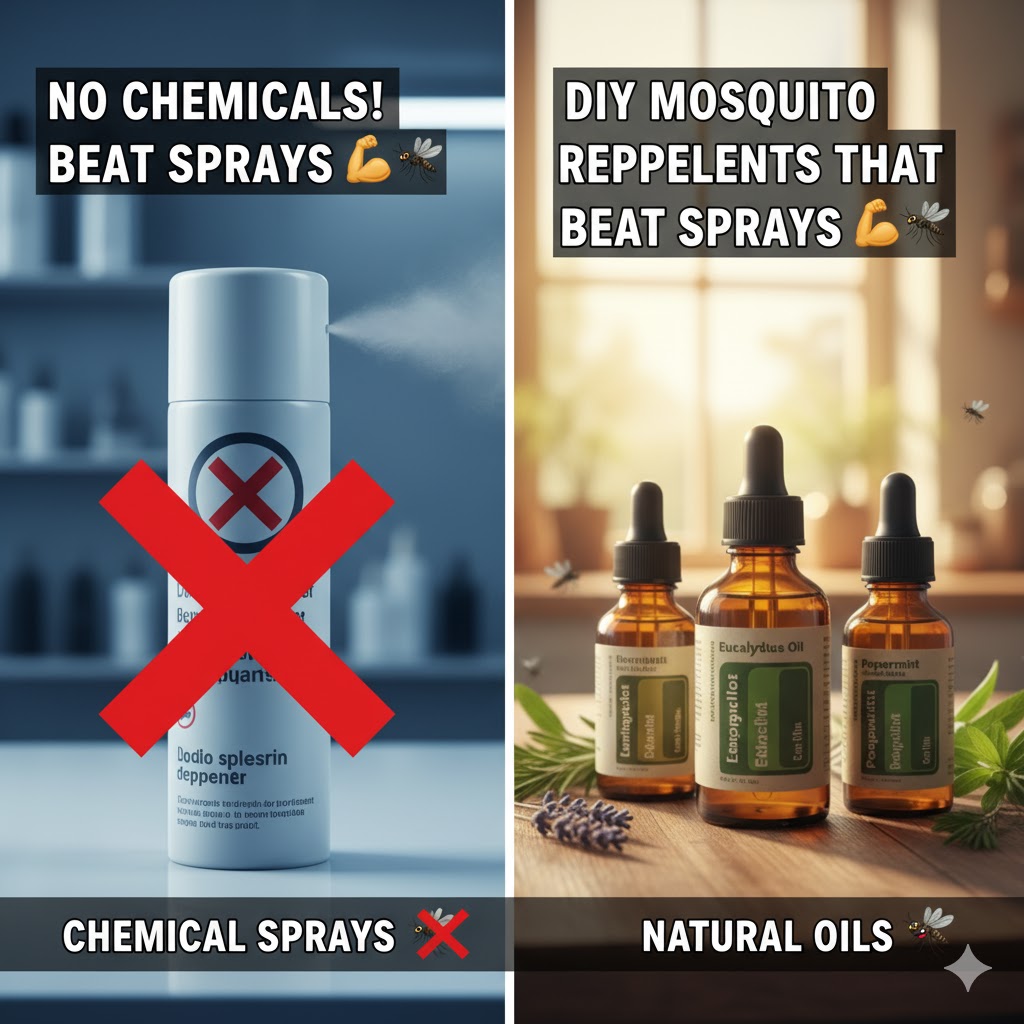
Unlike chemical sprays that can irritate lungs or harm pets, natural repellents rely on essential oils and plant-based ingredients to deter mosquitoes gently and effectively.
🌸 1. The Science Behind Natural Mosquito Repellents
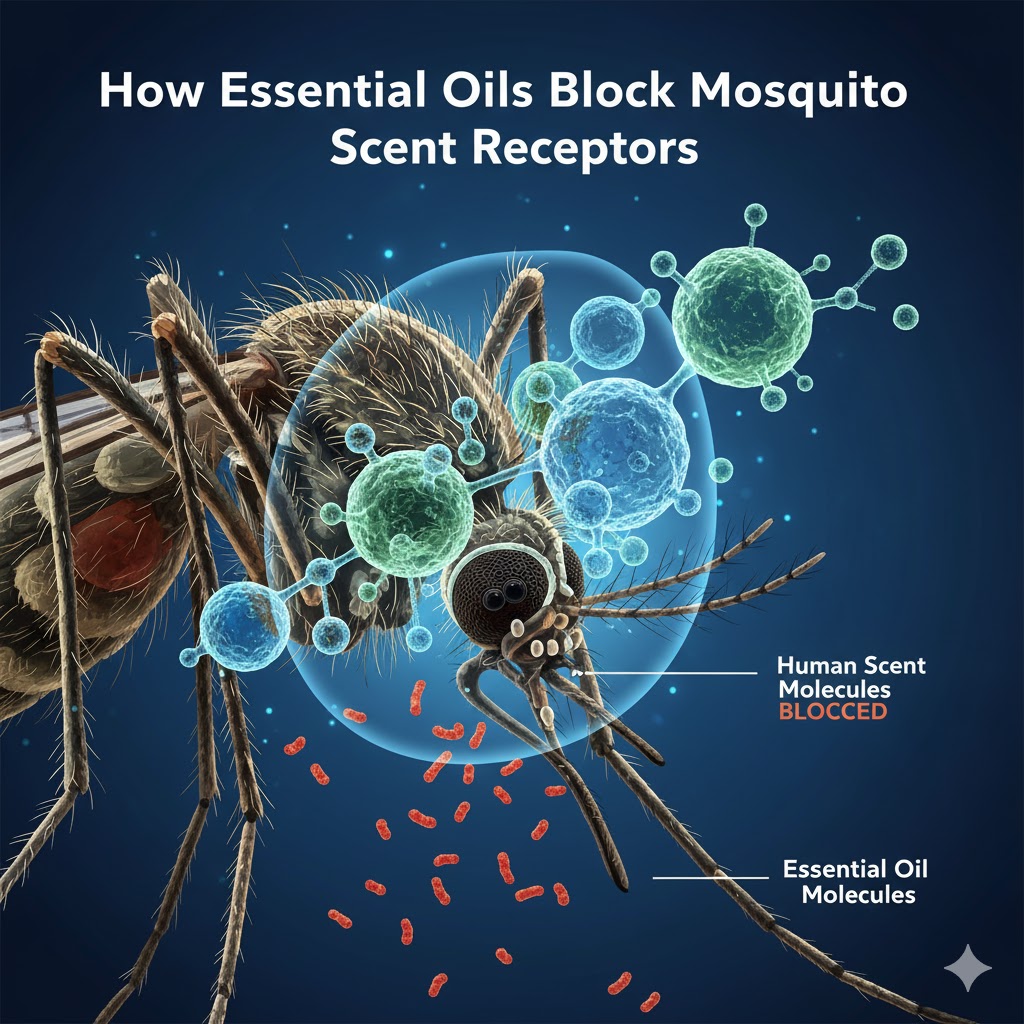
Natural repellents don’t kill mosquitoes — they disrupt their ability to detect human scent, CO₂, and body heat.
Compounds like citronellal (from citronella) and azadirachtin (from neem) confuse mosquito sensors, keeping them from landing or biting.
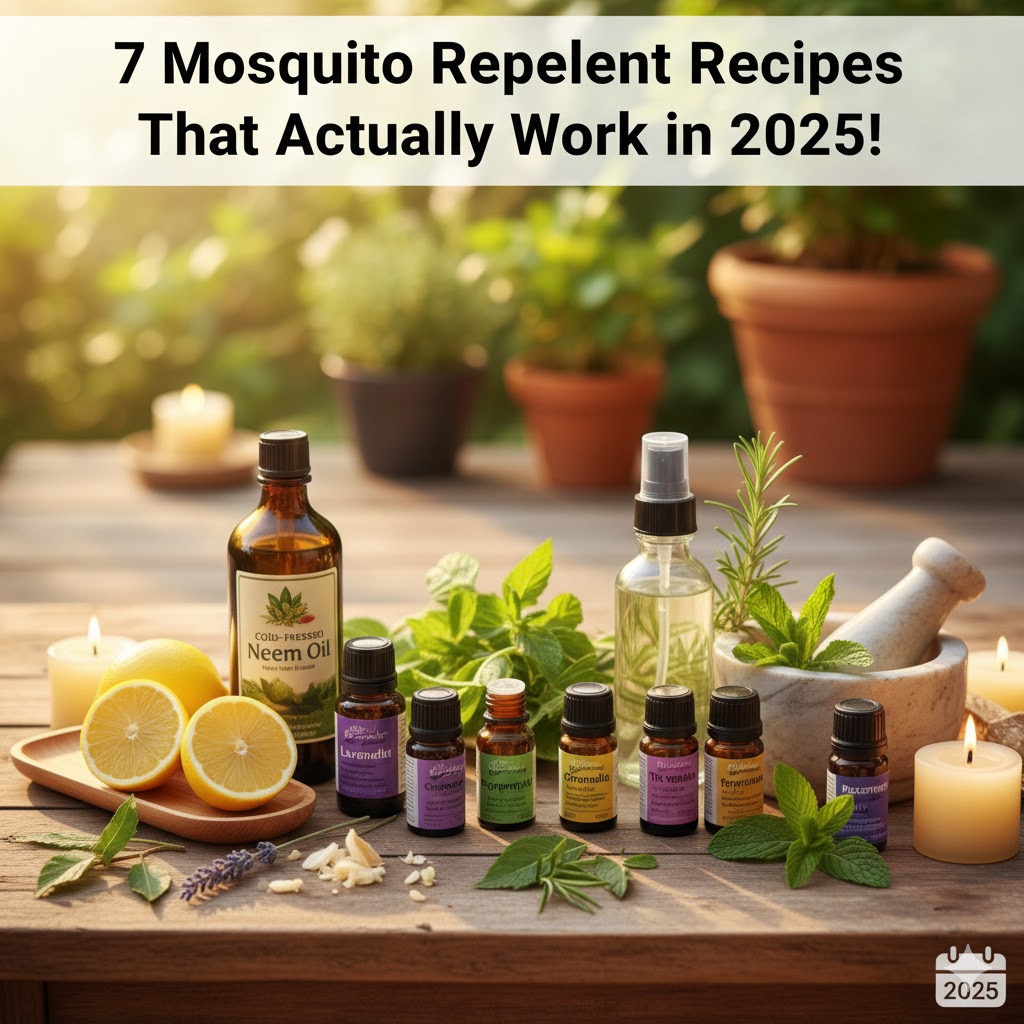
Scientific studies confirm that essential oils such as lemon eucalyptus, neem, lavender, and peppermint provide protection comparable to DEET — without the toxic side effects.
Source: CDC: Natural Ingredients Effective Against Mosquitoes
2. Recipe 1: Neem & Coconut Oil Repellent (Strong Outdoor Protection)
Ingredients:
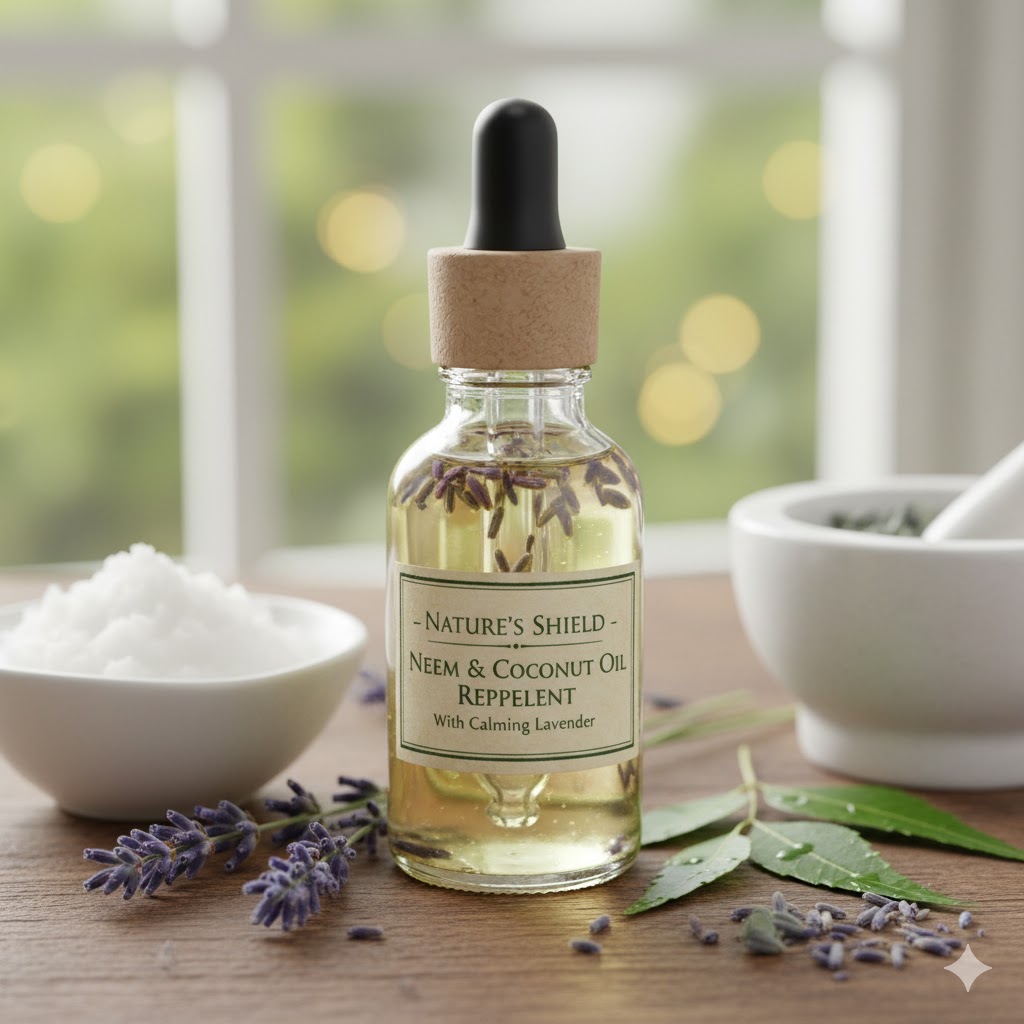
- 2 tbsp neem oil
- 1 tbsp coconut oil (carrier)
- 10 drops lavender essential oil
Instructions:
- Mix all oils in a small glass bottle.
- Apply lightly to exposed skin or clothing.
- Reapply every 3–4 hours.
✅ Best for: Outdoor evenings, camping, humid climates.
✅ Shelf life: 2 weeks.
See More: Read: Mosquito Fogging vs Natural Repellents Comparison
3. Recipe 2: Lemon Eucalyptus Spray (WHO-Approved Formula)
Ingredients:
- 10 drops lemon eucalyptus oil
- 2 tbsp witch hazel
- ½ cup distilled water
Instructions:
- Combine ingredients in a spray bottle.
- Shake well before each use.
- Spray on clothing, curtains, and around windows.
✅ Protection time: Up to 6 hours.
✅ Bonus: WHO recognizes lemon eucalyptus as a proven natural repellent.
Source: World Health Organization – Natural Repellents Guidelines

4. Recipe 3: Citronella Candle Mix (Outdoor Garden Defense)
Ingredients:
- 10 drops citronella oil
- 5 drops lemongrass oil
- Soy wax or beeswax
- Cotton wick and heat-safe jar
Instructions:
- Melt wax, add oils, and pour into a jar with the wick.
- Let it cool and light it outdoors to keep mosquitoes away naturally.
✅ Perfect for: Balconies, patios, or outdoor dinners.
✅ Tip: Combine with potted basil or mint for double protection.

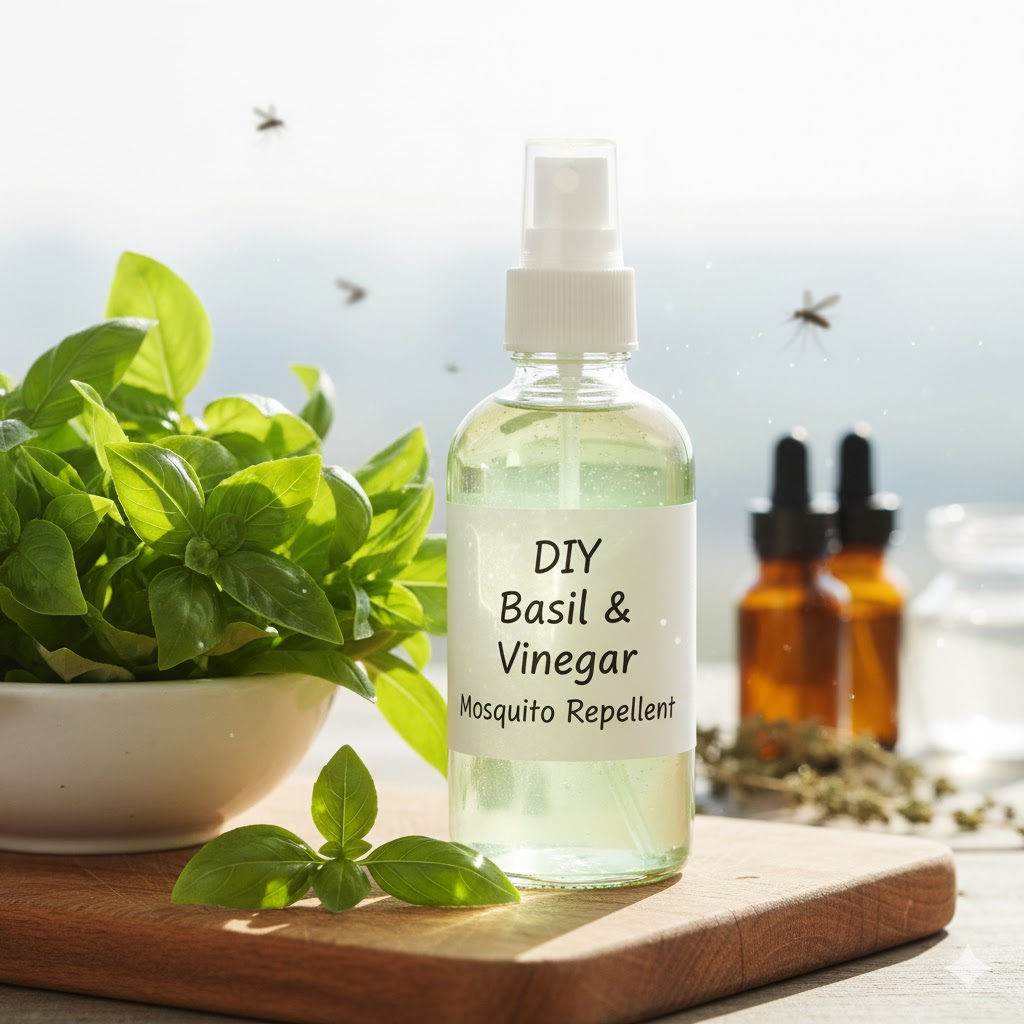
🌱 5. Recipe 4: Vinegar & Basil Infused Spray
Ingredients:
- 1 cup white vinegar
- A handful of fresh basil leaves
- 10 drops peppermint oil
Instructions:
- Steep basil in vinegar for 24 hours.
- Strain and add peppermint oil.
- Pour into spray bottle and use indoors.
✅ Best for: Indoor use near plants and entryways.
✅ Bonus: Works as an air freshener too!

💧 6. Recipe 5: Kids-Safe Lavender & Chamomile Mist
Ingredients:
- 10 drops lavender oil
- 5 drops chamomile oil
- ½ cup rose water
Instructions:
- Mix all ingredients in a fine mist bottle.
- Spray lightly on skin or bed linens before bedtime.
✅ Safe for: Kids, pets, and allergy-sensitive users.
✅ Tip: Store in refrigerator for a cooling effect.
Source: Learn: Eco-Friendly Pest Control Techniques for Families
7. Recipe 6: Herbal Incense Sticks (DIY Smoke Barrier)
Ingredients:
- Dried neem leaves
- Crushed lemongrass
- A pinch of coconut husk powder
Instructions:
- Blend ingredients and roll into small sticks.
- Burn outdoors in a ventilated area.
✅ Effect: Natural smoke barrier against mosquitoes.
✅ Caution: Avoid enclosed spaces.

🧴 8. Recipe 7: Essential Oil Lotion Blend
Ingredients:
- 2 tbsp aloe vera gel
- 1 tsp olive oil
- 10 drops tea tree oil
- 5 drops eucalyptus oil
Instructions:
- Mix well and apply to skin before going out.
- Keeps skin soft while repelling mosquitoes naturally.
✅ Ideal for: Dry or sensitive skin types.
✅ Storage: Up to 10 days refrigerated.

⚖️ 9. Safety Tips for Homemade Natural Repellents
- Always dilute essential oils with water or carrier oils.
- Do a patch test before applying to skin.
- Avoid using undiluted oils on children or pets.
- Store in dark glass bottles to preserve potency.
- Reapply every 3–4 hours for consistent protection.
🌿 10. Benefits of Natural Repellents vs. Chemical Sprays
| Feature | Natural Repellents | Chemical Sprays |
|---|---|---|
| Toxicity | None | Moderate to high |
| Skin Safety | Gentle | May irritate |
| Eco-Friendliness | 100% biodegradable | Harmful to environment |
| Scent | Pleasant herbal | Harsh chemical |
| Effectiveness | Gradual & safe | Quick but short-lived |
Traveler Guide: Go Green, Stay Safe
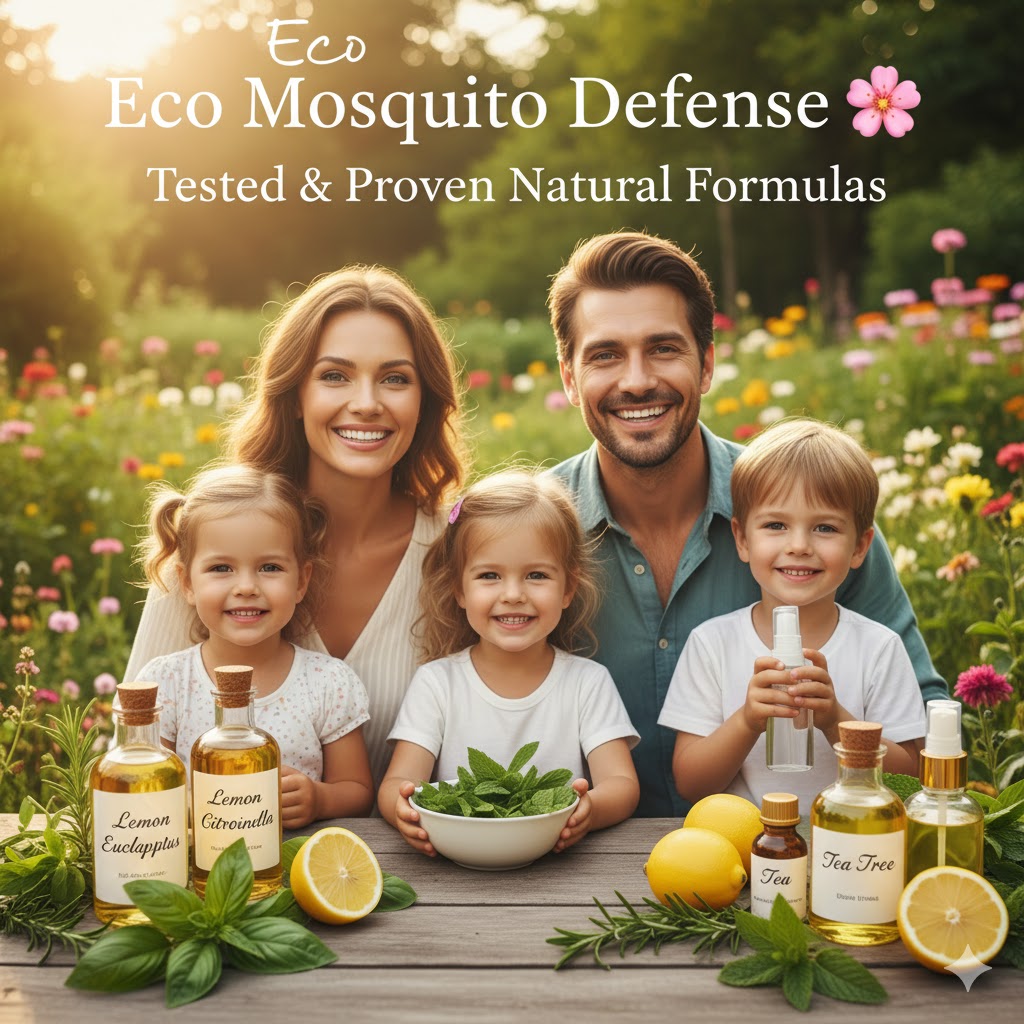
With these natural mosquito repellent recipes, you don’t just protect your family — you protect the planet.
These formulas are tested, affordable, and effective, offering a safe alternative to chemical-based insecticides.
Start small — one spray or candle — and see how nature’s defense can keep your home mosquito-free, sustainably.
❓ FAQs About Natural Mosquito Repellent Recipes
1. Do natural mosquito repellents really work?
Yes, studies show many essential oils provide over 80% protection for several hours.
2. Which oil is the most effective against mosquitoes?
Lemon eucalyptus and neem oils are among the strongest.
3. Can I use these repellents on kids?
Yes, but always dilute and avoid eyes or mouth areas.
4. How often should I reapply natural repellent?
Every 3–4 hours for best results.
5. Is citronella safe indoors?
Yes, in small amounts with proper ventilation.
6. Can I combine oils for stronger results?
Absolutely, mixing neem and citronella enhances protection.
7. Do these repellents stain clothes?
Not if diluted correctly; test a small area first.
8. How should I store homemade repellents?
In dark glass bottles away from heat and sunlight.
9. Are natural repellents cheaper than chemical sprays?
Yes — up to 70% more affordable long-term.
10. What’s the best natural repellent for pets?
Coconut oil and lavender combinations are safe and effective.