





Introduction: Why the Mosquito Fogging Debate Matters
Every summer, cities worldwide launch mosquito fogging campaigns to combat dengue, malaria, and Zika viruses.
But a growing number of homeowners now question: Are chemical fogs safe for humans, pets, and the planet?
In contrast, natural repellents — made from oils like neem, citronella, and lemongrass — promise gentler, greener protection.
This article compares Mosquito Fogging vs Natural Repellents, highlighting health impact, effectiveness, cost, and long-term safety.
1. Understanding Mosquito Fogging: What Actually Happens
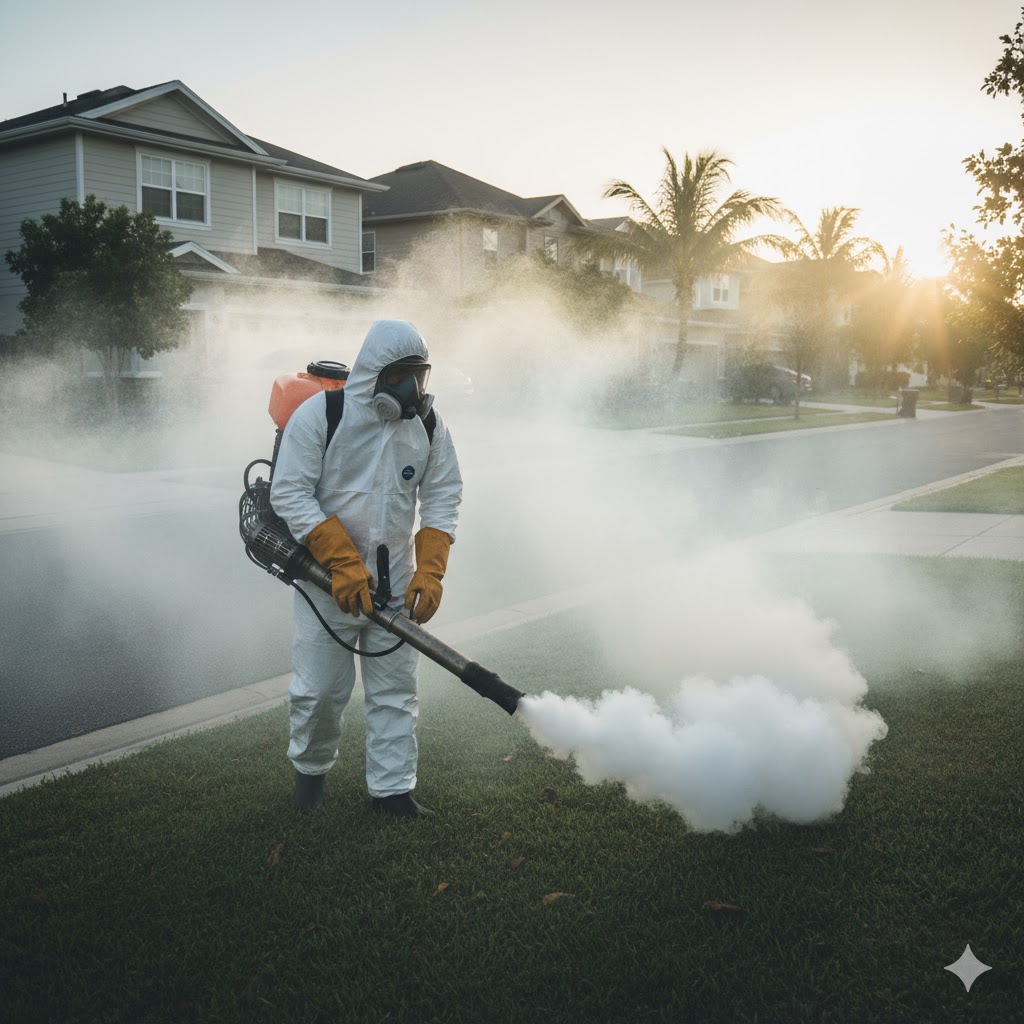
Mosquito fogging involves spraying ultra-fine chemical mist (usually pyrethroids) into the air to kill adult mosquitoes.
Cities use truck-mounted or portable foggers that release clouds of pesticide over neighborhoods.
While effective for rapid mosquito reduction, it’s often temporary — killing only flying adults, not larvae or eggs.
Source: World Health Organization on Mosquito Control

2. What Are Natural Mosquito Repellents?
Natural repellents use plant-derived essential oils and organic compounds to deter mosquitoes without toxins.
Common natural ingredients include:
- Neem oil 🌿
- Citronella oil 🌸
- Lemon eucalyptus 🌼
- Lavender 💜
- Peppermint 🌱
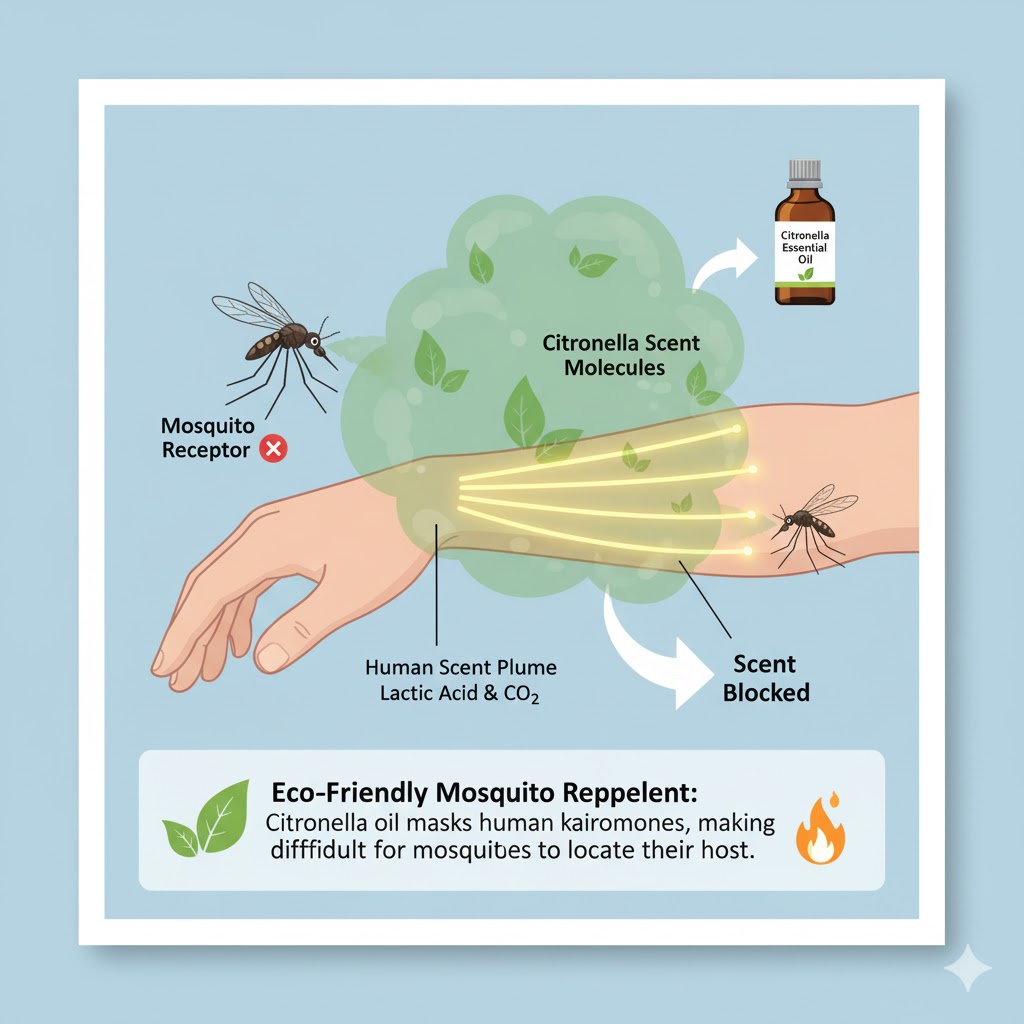
These oils block mosquitoes’ scent receptors, keeping them from landing or biting.
Internal Link: Read: Eco-Friendly Pest Control Techniques for Homes

3. Mosquito Fogging vs Natural Repellents: Key Comparison
| Aspect | Mosquito Fogging | Natural Repellents |
|---|---|---|
| Effectiveness | Quick results, short-lived | Gradual, long-term prevention |
| Health Impact | Can cause allergies/asthma | Safe for humans/pets |
| Environmental Impact | Chemical residue in air/soil | 100% biodegradable |
| Cost | Medium to high (fuel + chemical) | Low (DIY-friendly) |
| Coverage | Large outdoor areas | Personal or indoor use |
4. Health Concerns Linked to Mosquito Fogging
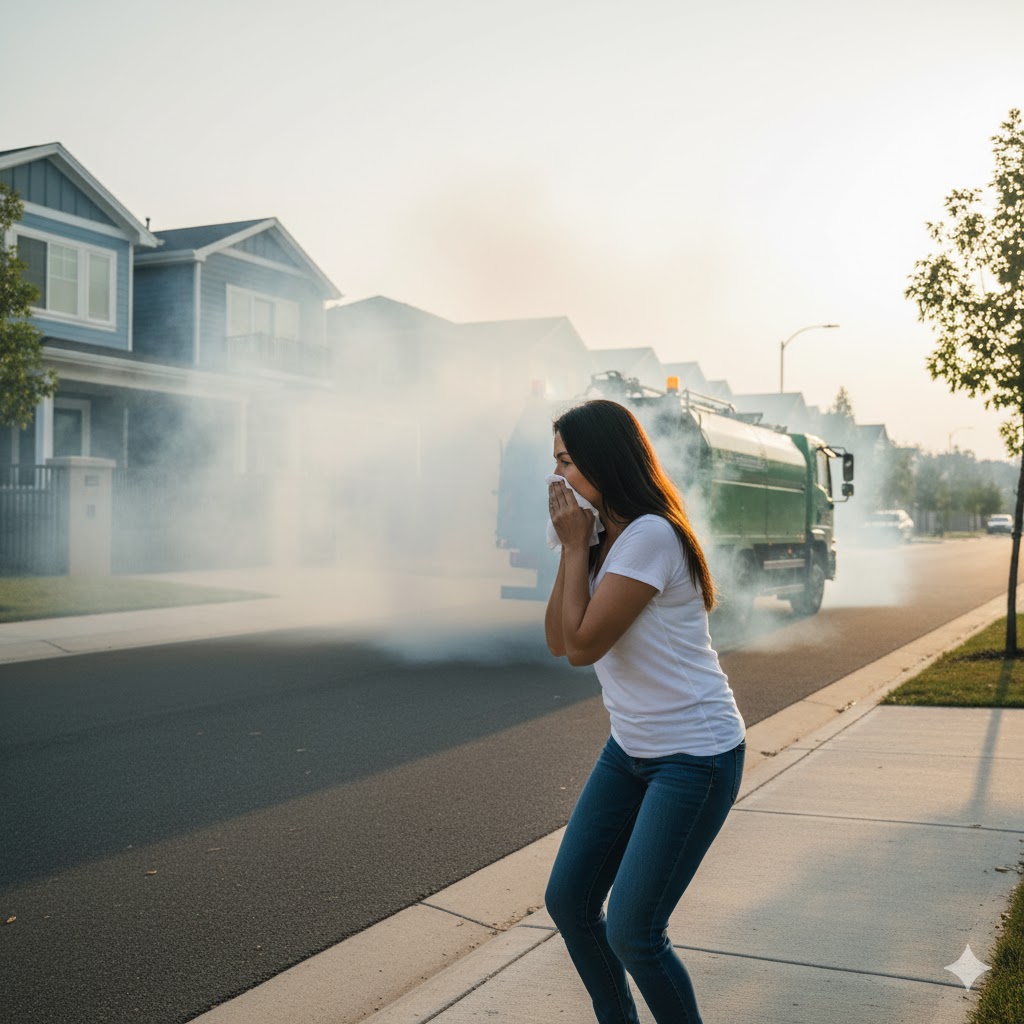
Fogging uses synthetic pyrethroids, which can cause:
- Respiratory irritation
- Headaches or nausea
- Allergic skin reactions
- Long-term neurological risks in repeated exposure
Children, pregnant women, and asthmatics are most at risk.
That’s why many health authorities now suggest limiting exposure and using fogging only during outbreaks.
Source: CDC: Health Effects of Insecticides
5. The Science Behind Natural Repellents
Essential oils such as citronella and neem contain active compounds like citronellal and azadirachtin that:
- Block mosquito CO₂ sensors
- Disrupt insect feeding behavior
- Prevent reproduction and egg-laying
While not instantly lethal, these repellents build protection layers around you, making your environment less attractive to mosquitoes.
Must See: Learn: Benefits of Organic Pest Control
6. Common Myths About Fogging and Natural Repellents
| Myth | Reality |
|---|---|
| “Fogging eliminates all mosquitoes.” | It kills only adult mosquitoes for a few days. |
| “Natural oils don’t work.” | Studies show 60–95% bite reduction. |
| “Fogging is harmless.” | Short-term exposure can trigger respiratory irritation. |
7. Cost and Maintenance Comparison
- Fogging: City campaigns cost thousands per area, with chemical and fuel expenses.
- Natural Repellents: Homemade solutions cost under $10/month for regular use.
- Hybrid Approach: Use natural repellents daily, fog only during outbreaks.

8. Environmental Impact of Fogging
Frequent chemical fogging can lead to:
- Mosquito resistance to pyrethroids
- Killing of beneficial insects like bees
- Airborne chemical residue near plants and water sources
In contrast, natural repellents break down safely, supporting eco balance and biodiversity.
9. Which Option Is Best for You?
Choose fogging only when:
- There’s a dengue or malaria outbreak
- You need large-scale, fast control
Choose natural repellents when:
- You want eco-friendly daily protection
- You have kids, pets, or allergies

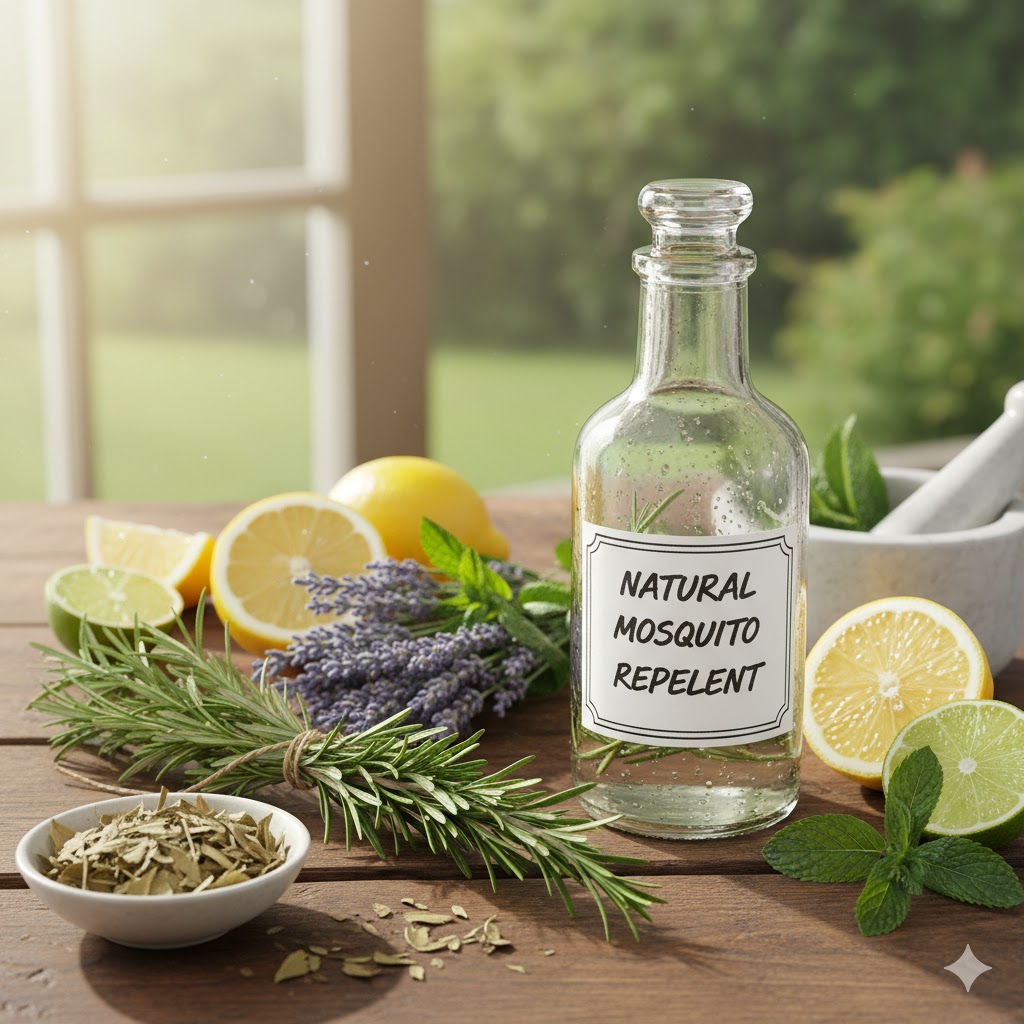
10. DIY Natural Mosquito Repellent Recipe
Ingredients:
- 10 drops citronella oil
- 5 drops neem oil
- 1 cup distilled water
- 1 tsp witch hazel
Shake well, spray around windows, plants, and doorways.
Expert Advice: The Future Belongs to Natural Repellents
While mosquito fogging offers quick relief, it’s not sustainable or safe for long-term use.
Natural repellents — affordable, accessible, and eco-conscious — represent the future of public health pest management.
By combining both strategically, cities can balance immediate protection with long-term sustainability.

FAQs About Mosquito Fogging vs Natural Repellents
1. What is mosquito fogging?
It’s a chemical mist spray used to kill adult mosquitoes quickly.
2. Are natural repellents effective against dengue mosquitoes?
Yes, neem and citronella oils repel Aedes aegypti mosquitoes effectively.
3. How long does fogging protection last?
Typically 2–3 days, depending on weather and wind.
4. Can fogging harm pets or plants?
Yes, prolonged exposure can irritate animals and harm beneficial insects.
5. Is neem oil safe indoors?
Absolutely, when diluted properly with carrier oils or water.
6. Which method is safer for kids?
Natural repellents — 100% non-toxic and chemical-free.
7. Can I mix both approaches?
Yes — use fogging outdoors occasionally and repellents daily indoors.
8. How often should fogging be done?
Only during outbreak peaks or government campaigns.
9. Does fogging prevent mosquito breeding?
No, it kills adults but not larvae — clean stagnant water regularly.
10. What’s the best eco-friendly mosquito control plan?
Combine larval source management, natural repellents, and minimal fogging.