



Introduction
Disinfect Bedroom After Illness is one of the most important steps to protect your home and family after recovery. Germs, bacteria, and viruses can linger on surfaces for days, making post-virus cleaning essential. In this guide, we’ll show you 10 powerful ways to sanitize, deodorize, and refresh your bedroom using both natural and professional cleaning methods.

🌬️ Step 1: Start with Proper Ventilation
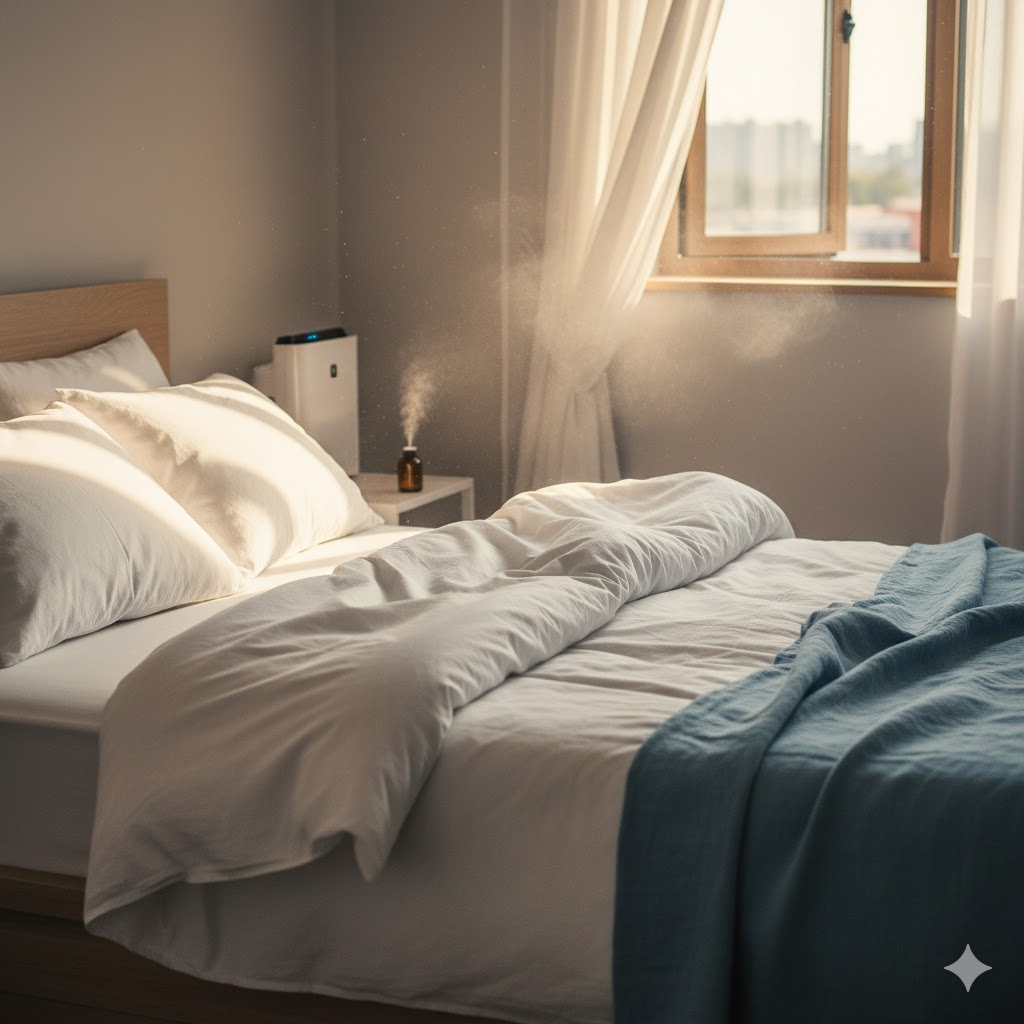
Before beginning any cleaning, open all windows and doors to allow fresh air to circulate. Proper airflow helps reduce airborne germs and removes musty odors accumulated during sickness. If possible, use a fan or air purifier to accelerate air exchange and filter out viral particles.

🧺 Step 2: Wash All Bedding and Linens in Hot Water
Strip the bed completely—sheets, pillowcases, blankets, and comforters—and wash them in hot water (above 60°C). Hot water kills most bacteria and viruses effectively. Add a disinfectant laundry additive or white vinegar to remove odors naturally.
Dry bedding completely on high heat to ensure full disinfection.
🧽 Step 3: Disinfect High-Touch Surfaces
Germs spread easily through frequently touched objects like doorknobs, light switches, remotes, and phones. Wipe down all these surfaces using an EPA-approved disinfectant spray or a DIY mix of vinegar and hydrogen peroxide (never mixed together). Focus especially on bedside tables, drawer handles, and charging cables.

🪟 Step 4: Clean Curtains, Upholstery, and Soft Furnishings
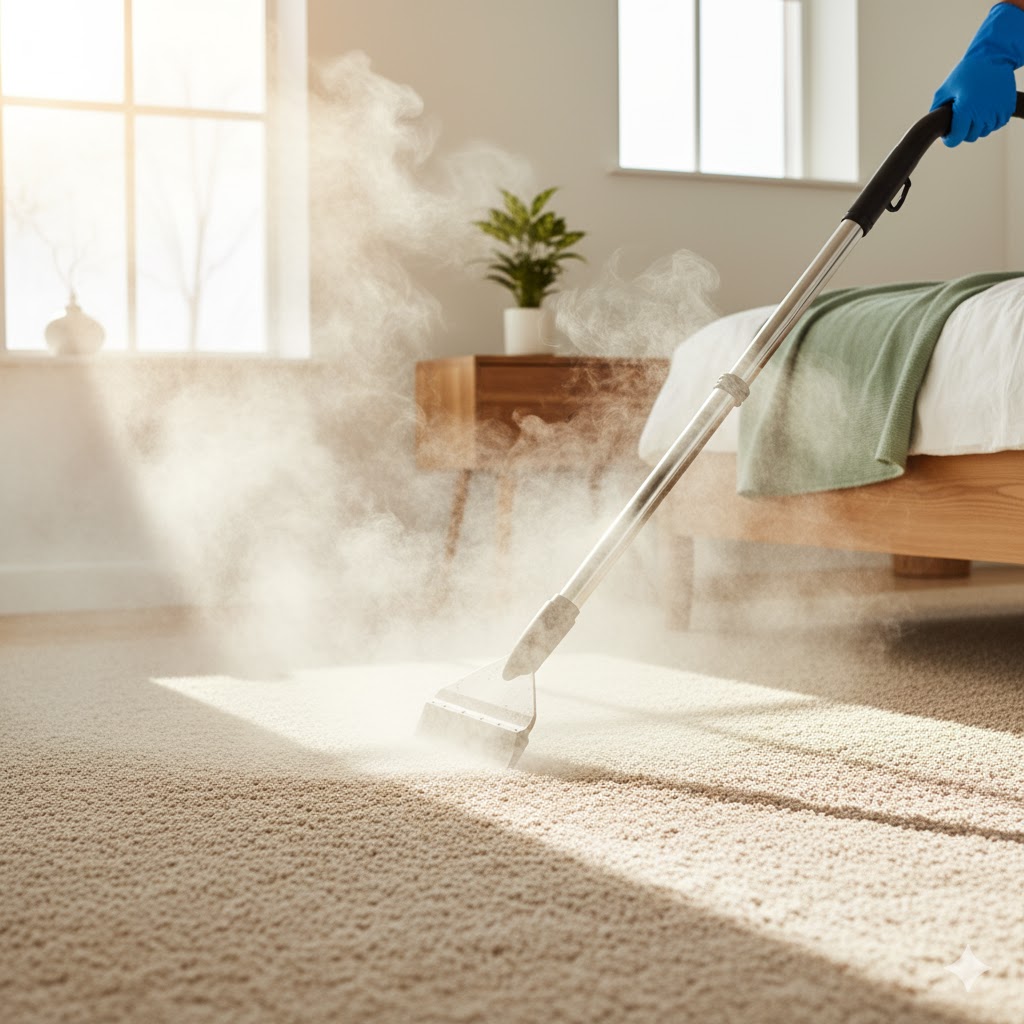
Fabric items trap airborne germs. Vacuum your curtains and upholstered furniture using a HEPA-filter vacuum. For deeper sanitization, steam clean or spray lightly with a fabric-safe disinfectant. Avoid oversaturating fabric, as moisture can lead to mold.

🧴 Step 5: Sanitize Electronics and Devices
Phones, keyboards, remote controls, and alarm clocks harbor viruses longer than most surfaces. Use alcohol wipes (70% isopropyl) to disinfect each item thoroughly. Always unplug electronics before cleaning and allow them to dry fully before use.
🧹 Step 6: Clean Floors and Carpets Thoroughly
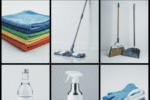
Carpets and rugs can collect bacteria and dust mites. Vacuum thoroughly, then use a carpet disinfectant spray or steam cleaner for deeper cleaning. For hardwood floors, mop with a disinfectant solution (avoid harsh bleach mixtures).
🕯️ Step 7: Purify the Air Naturally
After cleaning, purify your air using natural methods. Essential oils like eucalyptus or tea tree have antimicrobial properties. Use an air purifier with HEPA filters or place indoor plants such as snake plants and peace lilies to help detoxify the air.
🧴 Step 8: Replace or Disinfect Pillows and Mattress
Pillows and mattresses can absorb sweat, saliva, and viral residues. Wash removable pillow covers and sanitize pillows in sunlight or a dryer on high heat for 30 minutes. For the mattress, sprinkle baking soda, let sit for an hour, then vacuum and lightly mist with a disinfectant spray.

🌿 Step 9: Disinfect Personal Items and Accessories
Items like glasses, jewelry, combs, and reusable water bottles should be disinfected using mild soap or alcohol wipes. Wash towels and robes separately in hot water and store them in a clean, dry space after washing.
💨 Step 10: Maintain Daily Hygiene Habits
Continue disinfecting high-touch areas regularly, especially during flu season. Keep a small disinfectant spray on your bedside table, and wash hands before bed. Consistent hygiene helps maintain a healthy environment and reduces chances of future illness.
🧠 Expert Tips for Long-Term Cleanliness
- Use UV sanitizing wands for quick disinfection of small surfaces.
- Change pillowcases every 2–3 days during recovery.
- Disinfect humidifiers regularly to avoid bacterial buildup.
- Avoid clutter, as it collects dust and hinders cleaning efficiency.
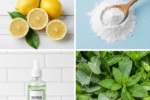
🧴 Natural Disinfectant Recipe
Mix the following ingredients for an effective, non-toxic cleaner:
- 1 cup white vinegar
- 1 cup water
- 10 drops of tea tree or eucalyptus oil
Shake well and use on surfaces and fabrics for natural, chemical-free disinfection.

🧠 Frequently Asked Questions (FAQs)
1. Why should I disinfect my bedroom after illness?
Disinfecting removes viruses and bacteria that can linger on surfaces and cause reinfection. It helps maintain a healthy environment for faster recovery.
2. How long do germs stay in the bedroom after sickness?
Some viruses can survive up to 48 hours on surfaces like doorknobs or linens, while others may last even longer on fabrics.
3. What is the best disinfectant for bedrooms?
Use alcohol-based sprays or natural vinegar solutions for most surfaces. For fabrics, try steam cleaning or baking soda.
4. Can sunlight disinfect my room?
Yes. Sunlight kills many bacteria naturally and reduces odor buildup. Open your curtains to allow UV rays in.
5. How often should I clean after illness?
Do a deep clean immediately after recovery, followed by light weekly maintenance for two weeks.
6. Is vinegar safe on all surfaces?
No. Avoid using vinegar on marble, granite, or unsealed wood as it can damage finishes.
7. Can I use bleach in my bedroom?
Only in well-ventilated areas and diluted properly. Avoid mixing bleach with vinegar or ammonia.
8. What’s the best way to disinfect pillows?
Tumble dry on high heat for 30 minutes or use a UV sanitizer for delicate pillows.
9. Should I replace my toothbrush after illness?
Yes, always replace your toothbrush post-recovery to avoid reintroducing bacteria into your system.
10. How do I disinfect my mattress naturally?
Sprinkle baking soda, let it sit for an hour, vacuum, and lightly mist vinegar or alcohol spray.
11. What essential oils kill viruses?
Tea tree, eucalyptus, and lavender oils have natural antiviral properties suitable for cleaning.
12. Can I reuse sickbed sheets after washing?
Yes, hot washing and drying at high heat eliminate germs completely, making them safe again.
13. Should I clean my air conditioner after illness?
Absolutely. Clean or replace air filters to remove any trapped bacteria or allergens.
14. What’s the safest disinfectant for allergy sufferers?
Choose fragrance-free or natural options like diluted vinegar or baking soda.
15. How can I prevent illness from spreading at home?
Encourage handwashing, isolate used bedding, and disinfect shared items daily until everyone is symptom-free.
Expert Guide:
Disinfecting your bedroom after illness is more than just cleaning—it’s about restoring health, comfort, and peace of mind. Whether you use natural ingredients like vinegar and baking soda or disinfectant sprays, maintaining hygiene ensures long-term wellness and prevents cross-contamination.

See More:
- Mattress Steam Cleaning vs Dry Cleaning – Which Is Better?
- DIY Mattress Deodorizing Hacks Using Baking Soda & Vinegar