




Introduction: Why Home Water Filtration Systems Are Essential
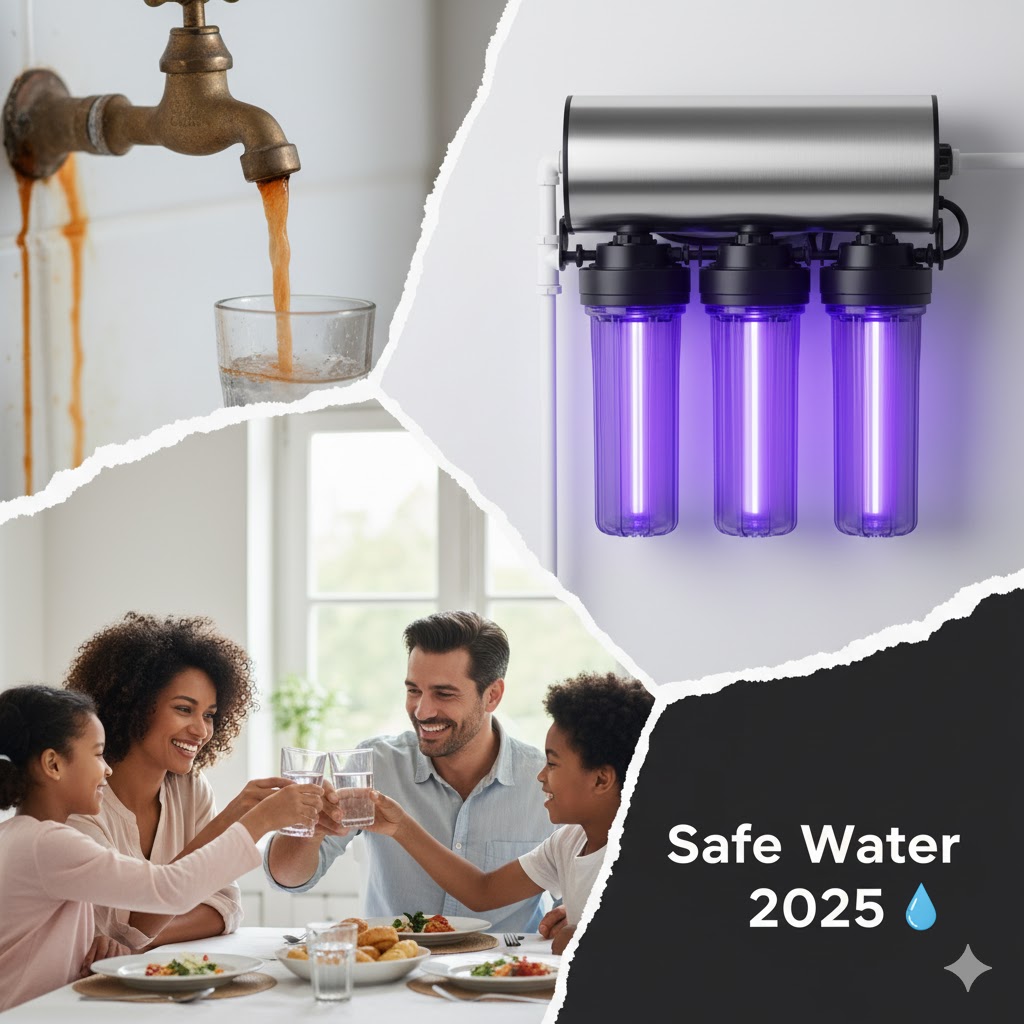
Clean drinking water is the foundation of good health — yet most households underestimate the importance of proper water filtration systems. Tap water can contain sediments, heavy metals, chlorine, pesticides, and even bacteria invisible to the eye.
That’s where home water filtration systems come in. They purify your water, enhance taste, and safeguard your family’s health — especially in cities where municipal water may not meet WHO standards.

1. Understanding How Home Water Filtration Systems Work
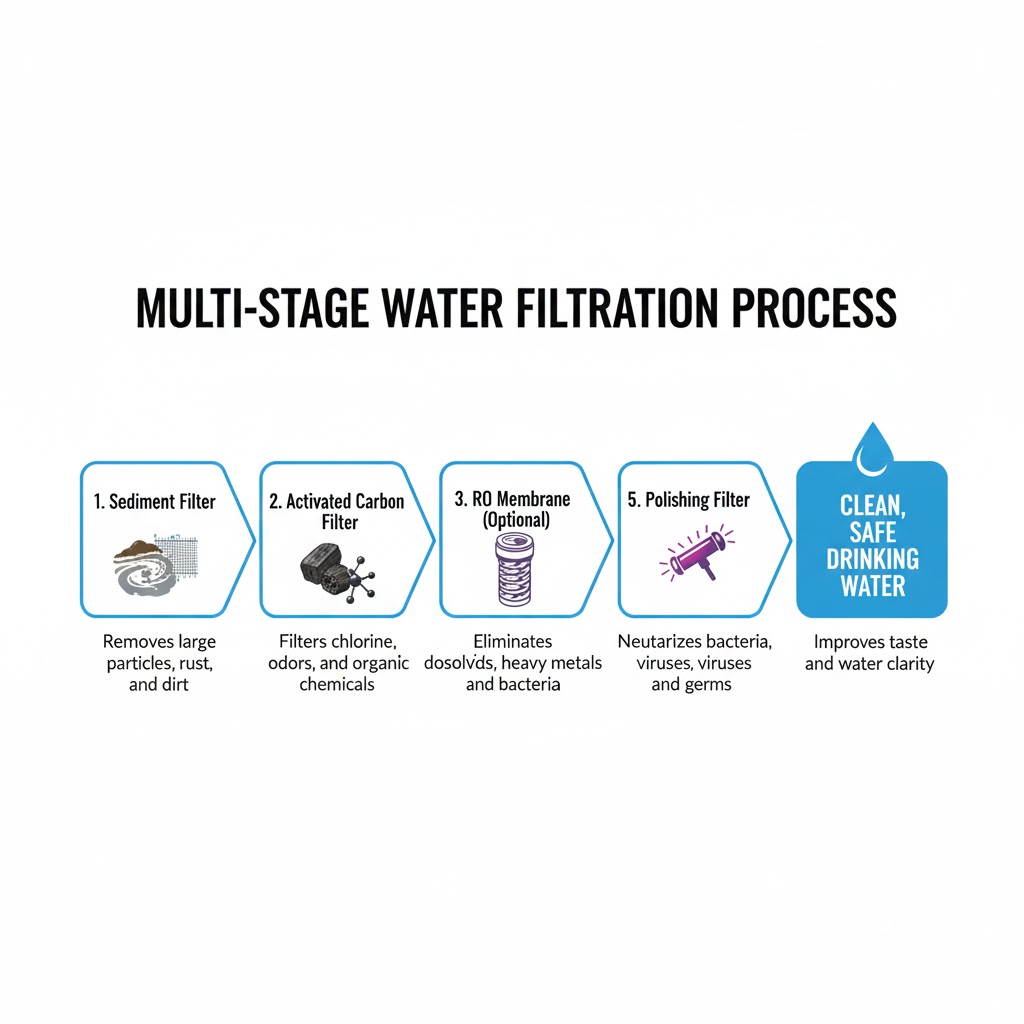
Water filtration systems remove impurities through physical, chemical, or biological processes. Depending on the technology, they trap sediments, neutralize chemicals, and kill harmful microorganisms.
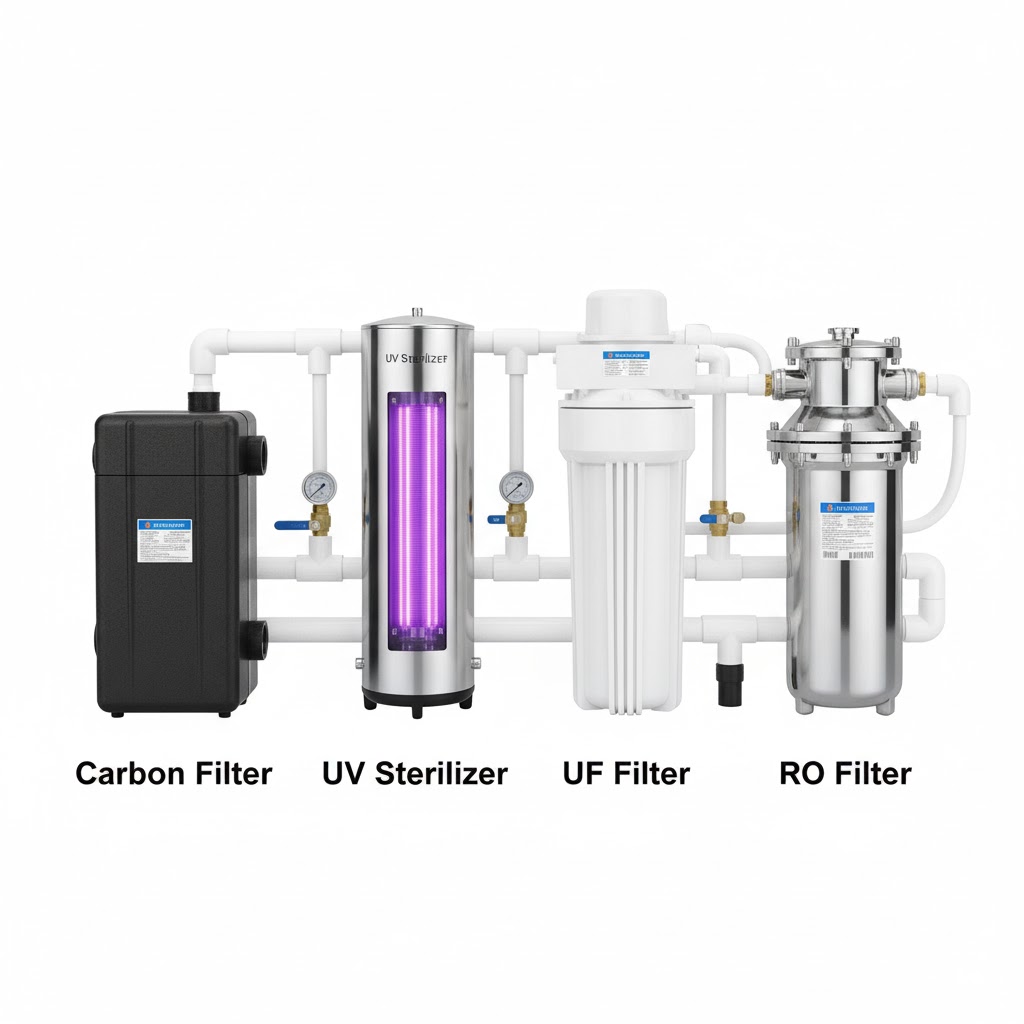
The most common methods include activated carbon, reverse osmosis (RO), ultraviolet (UV), and ultrafiltration (UF) — each targeting specific contaminants.
2. Common Contaminants Found in Tap Water
Even clear tap water can contain hidden impurities like:
- Chlorine and fluoride (from municipal treatment)
- Lead and arsenic (from old pipelines)
- Nitrates and pesticides (from agriculture runoff)
- Bacteria and viruses (from unfiltered sources)
Identifying what’s in your water helps you select the right filtration technology for your home.

3. Types of Home Water Filtration Systems
Let’s explore the major filtration categories available in 2025:
a) Activated Carbon Filters
These absorb chlorine, odors, and chemicals — improving taste and odor.
b) Reverse Osmosis (RO) Systems
RO systems push water through a semi-permeable membrane, removing heavy metals and salts.
c) Ultraviolet (UV) Purifiers
UV light kills bacteria and viruses without using chemicals.
d) Ultrafiltration (UF) Systems
UF filters remove large particles and cysts but preserve minerals.
e) Sediment Filters
Best for removing sand, dirt, and rust from pipelines.
4. Comparing the Top 10 Home Water Filtration Systems (2025)
| Rank | Brand | Filtration Type | Ideal For | Maintenance Cost |
|---|---|---|---|---|
| 1 | Aquaguard Elite Pro | RO + UV + Carbon | Urban homes | Medium |
| 2 | Pureit Ultima | RO + UV | Hard water areas | Low |
| 3 | Kent Grand Plus | RO + UV + UF | Families | Medium |
| 4 | Culligan EZ-Change | Carbon | Apartments | Low |
| 5 | A.O. Smith Z8 | RO + Mineralizer | Health-conscious users | High |
| 6 | iSpring RCC7 | 5-stage RO | Contaminated wells | Medium |
| 7 | Brita Ultra Max | Carbon Pitcher | Portable | Very Low |
| 8 | ZeroWater 7-Cup | Ion Exchange | Small households | Low |
| 9 | Coway Neo Plus | RO + UV | Offices | Medium |
| 10 | Blue Star Excella | UV + Carbon | Compact homes | Low |
5. How to Choose the Right Filter for Your Home
Selecting the best system depends on:
- Water source: Tap, borewell, or tank.
- TDS level: Above 500 ppm requires RO.
- Usage: Family size and daily consumption.
- Space availability: Countertop, under-sink, or wall-mounted.
Testing your water before purchasing ensures you get the most efficient system for your household.

6. Benefits of Installing a Home Water Filtration System
- Removes toxins and chlorine
- Prevents waterborne diseases
- Improves taste and odor
- Protects kitchen appliances
- Promotes better skin and hair health
A small investment today can prevent costly health issues tomorrow.
7. Maintenance and Filter Replacement Tips
To keep your system efficient:
- Replace filters every 6–12 months.
- Clean the storage tank monthly.
- Check for leaks and pressure drops.
- Schedule annual professional servicing.
Proper maintenance extends your filter’s lifespan and keeps performance optimal.
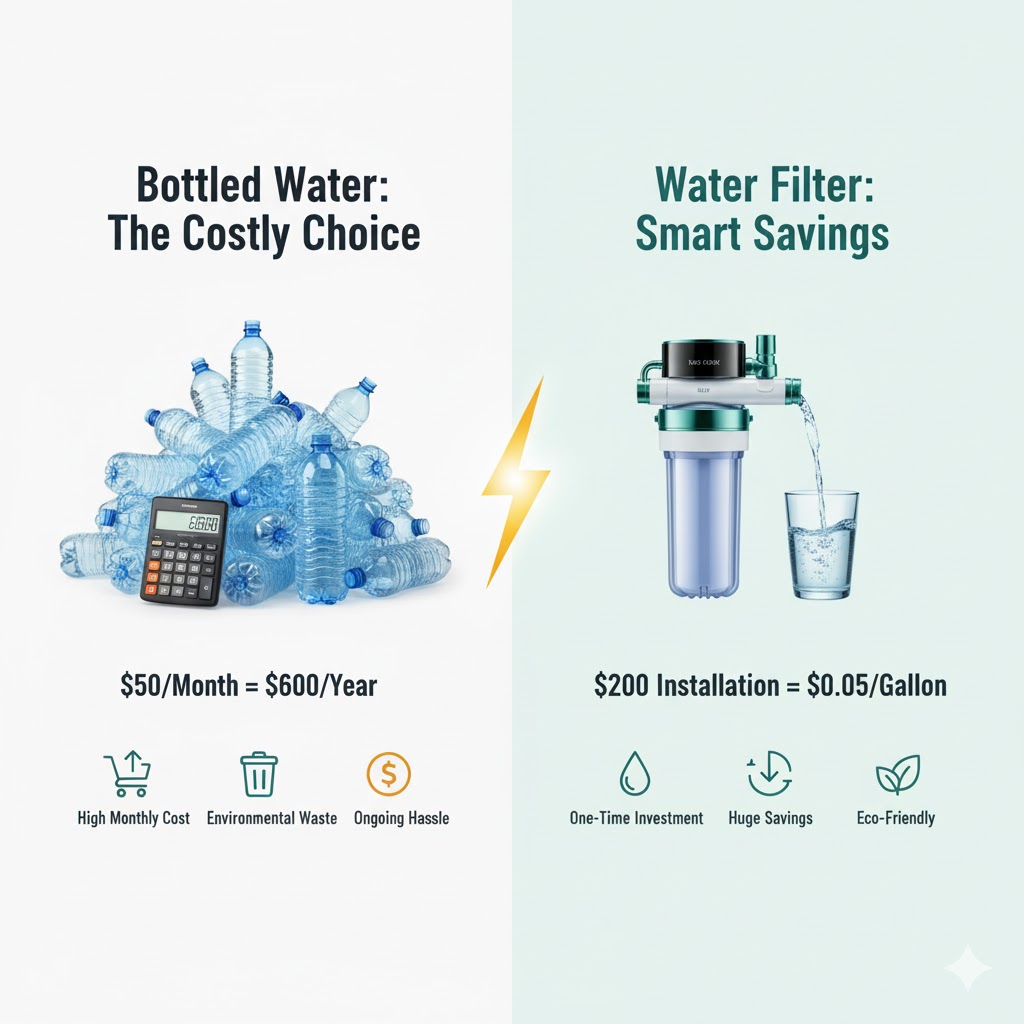
8. Cost Analysis: Is It Worth It?
Modern water filters range from PKR 8,000 to PKR 80,000, depending on brand and type. Considering the cost of bottled water and medical expenses, a home system pays for itself within months.
Long-term savings and peace of mind make it an excellent eco-friendly investment.
9. Smart Filtration Systems: The Future of Home Water Safety
In 2025, IoT-enabled filtration systems are trending. These smart filters come with:
- Mobile app monitoring
- Automatic alerts for filter change
- Real-time TDS tracking
- Leak detection sensors
Technology is revolutionizing how we monitor and manage our home water systems.

10. Environmental Impact and Sustainability
Choosing energy-efficient and recyclable filter units minimizes plastic waste and energy use. Opt for filters that come with eco-refill cartridges instead of full replacements.
Sustainable water systems reduce carbon footprint while promoting cleaner water for future generations.

FAQs About Home Water Filtration Systems
1. What is the best water filter for home use?
Reverse Osmosis (RO) systems combined with UV sterilization provide the highest purification levels.
2. How often should filters be replaced?
Every 6 to 12 months, depending on water quality and usage frequency.
3. Do water filters remove fluoride?
Only RO and activated alumina filters can effectively reduce fluoride.
4. What is TDS in water?
TDS (Total Dissolved Solids) measures minerals, salts, and metals in water.
5. Are UV filters safe for drinking water?
Yes, they effectively kill pathogens without adding chemicals.
6. Can filters work without electricity?
Yes, gravity-based and UF filters work without power.
7. How do I know if my filter is working?
Check TDS levels and taste; also, many new systems have filter change indicators.
8. Can I install a water filter myself?
Yes, most units include DIY kits, though professional installation is recommended for RO systems.
9. Do filters remove beneficial minerals?
RO systems may remove some minerals; use a mineralizer to add them back.
10. How do I test my water quality?
Use a home TDS meter or send samples to certified water testing labs.
11. Is filtered water better than bottled water?
Yes, it’s safer, cheaper, and eco-friendly compared to single-use plastic bottles.
12. What maintenance does an RO system need?
Regular filter replacement and annual membrane cleaning.
13. Do carbon filters remove heavy metals?
Not effectively — combine with RO or ion-exchange filters for full purification.
14. Are portable water filters reliable?
Yes, brands like Brita and ZeroWater provide reliable basic filtration for small households.
15. Can filtration systems help with skin allergies?
Yes, removing chlorine and contaminants reduces skin irritation and dryness.
Expert Guide:
Investing in home water filtration systems is a smart step toward a healthier lifestyle. With advanced technology, smart monitoring, and eco-friendly designs, these systems ensure that every drop you drink is pure, safe, and refreshing.
Make clean water a permanent part of your home — because purity begins at your tap.

References:
Read our full guide on Water Tank Cleaning, Sterilization & Quality Test Report
Visit EPA Official Guide on Household Water Treatment and Safe Storage