






Introduction: Why Ceiling Material Choice Matters in 2025
When it comes to modern ceiling design, one question dominates architectural and interior discussions in 2025: “Fabric vs PVC Stretch Ceilings — which is better?”
Stretch ceilings have evolved from a luxury choice to a mainstream design solution for both residential and commercial spaces. These systems offer a seamless, elegant look while concealing imperfections and integrating lighting systems easily. But the real challenge for architects, homeowners, and contractors is choosing between fabric-based ceilings and PVC stretch ceilings.
Both materials are durable, aesthetic, and customizable — yet they differ in cost, installation process, durability, environmental impact, and maintenance requirements. Choosing the right one can directly affect your project’s budget, lifespan, and visual outcome.
In this professional guide, we’ll break down 7 key differences between Fabric and PVC stretch ceilings so you can make an informed choice — whether you’re designing a home, office, or public space.
What Are Stretch Ceilings?
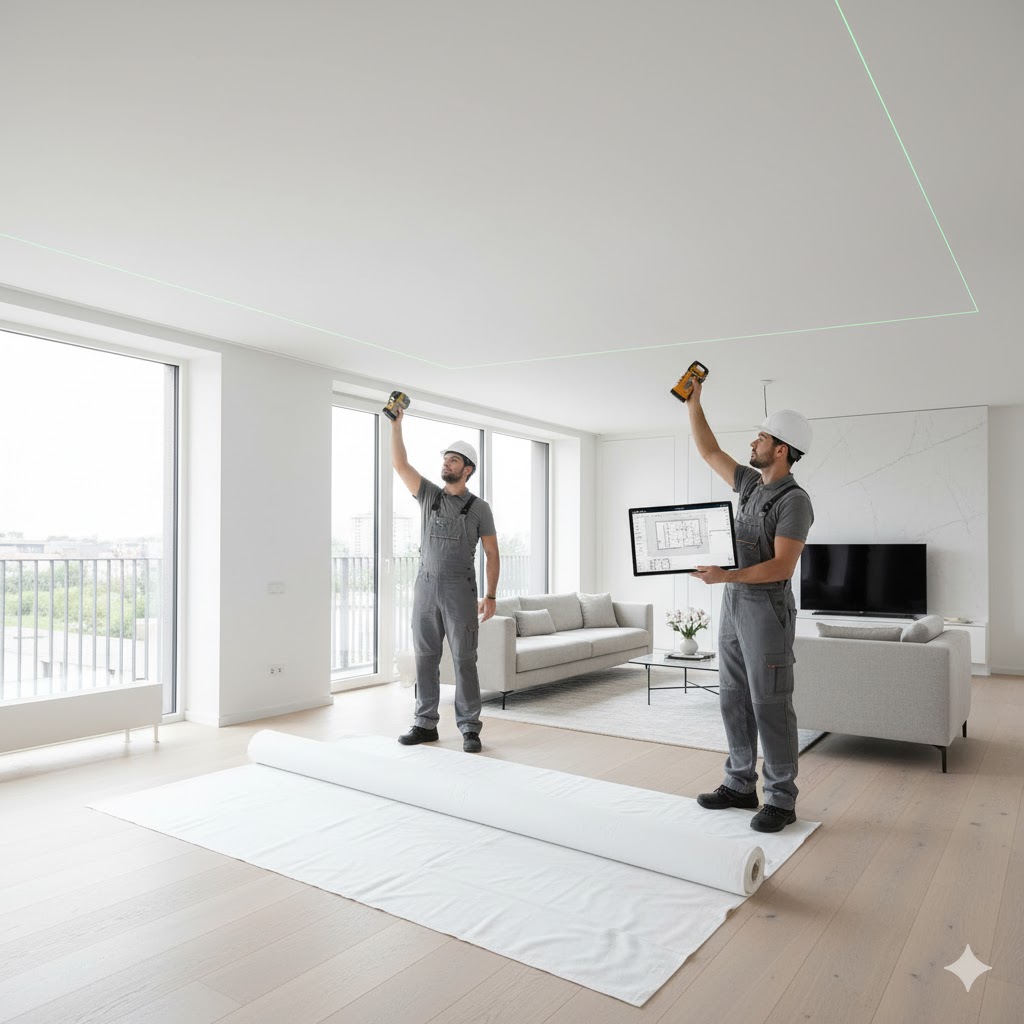
Stretch ceilings are suspended ceiling systems made of either PVC film or polyester fabric, stretched across a lightweight aluminum frame. They’re installed a few centimeters below the structural ceiling, creating a sleek, uniform surface.
This innovative concept originated in Europe and is now widely used in modern architecture, luxury homes, restaurants, and hotels.
Must Read: If you’re interested in related business setup advice, read our Cleaning Business Tax Registration Guide
Fabric vs PVC Stretch Ceilings: An Overview
Before diving into the differences, it’s important to understand how each type works:
| Type | Material | Appearance | Durability | Key Feature |
|---|---|---|---|---|
| Fabric Stretch Ceiling | Polyester or synthetic fabric | Matte, seamless finish | 15–20 years | Acoustic absorption and breathability |
| PVC Stretch Ceiling | Polyvinyl chloride film | Glossy or satin finish | 10–15 years | Waterproof and reflective design options |
Both are beautiful — but their technical differences are significant.
Source 1: Learn more about the material science behind ceiling finishes at ArchDaily’s Stretch Ceiling Guide

1. Design Flexibility: Modern Aesthetics and Creativity
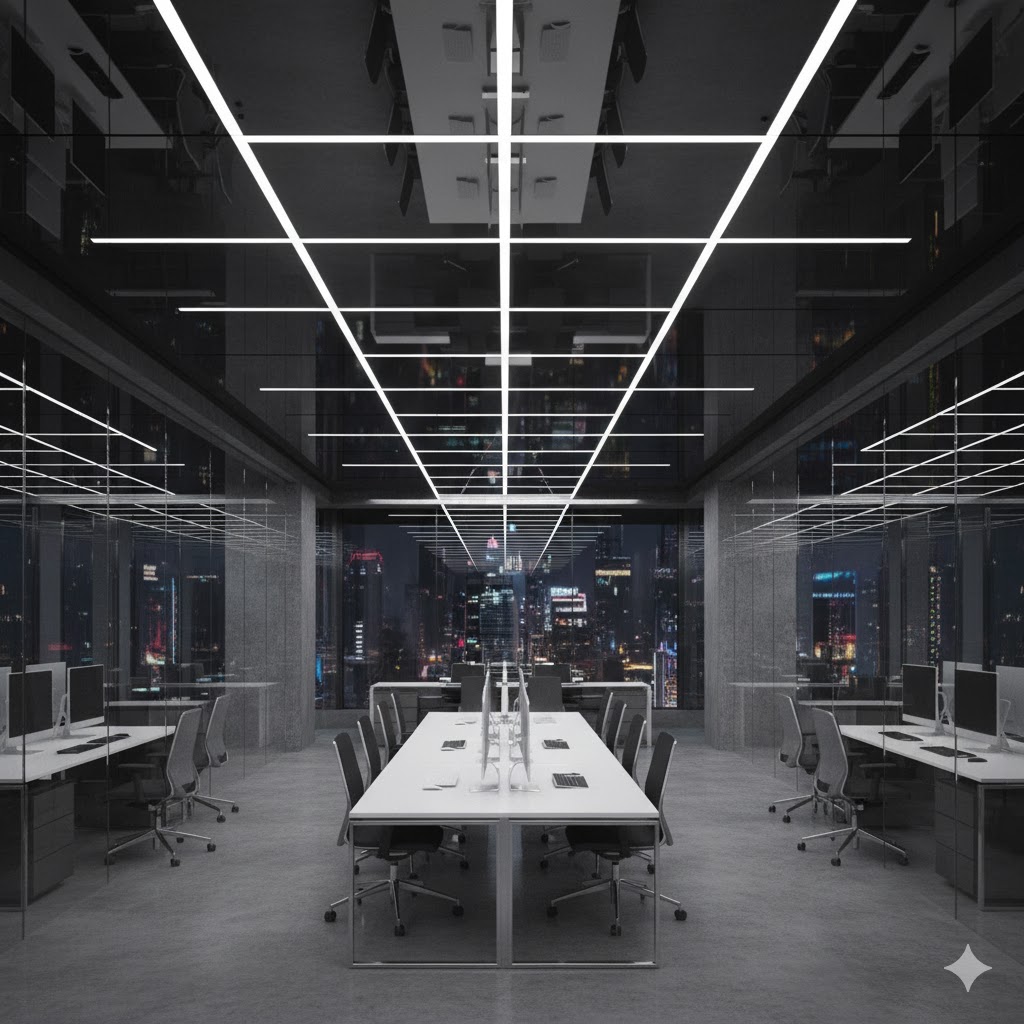
When it comes to design flexibility, PVC stretch ceilings clearly offer more versatility. The PVC film can be printed, shaped, and finished in gloss, matte, or mirror styles — perfect for dynamic lighting or artistic interiors.
In contrast, fabric stretch ceilings provide a more natural, matte finish, often preferred for minimalist or acoustic environments such as offices, hotels, or cinemas.
Professional Insight (EEAT):
According to a 2025 study by the European Interior Design Council, PVC ceilings account for 68% of decorative ceiling installations, largely due to their design flexibility and adaptability to LED and backlight systems.
Source 2: Visit BuildDirect’s Interior Material Insights for updated architectural trends in 2025.
2. Installation Process: Ease and Technical Precision
The installation method differs significantly between the two types:
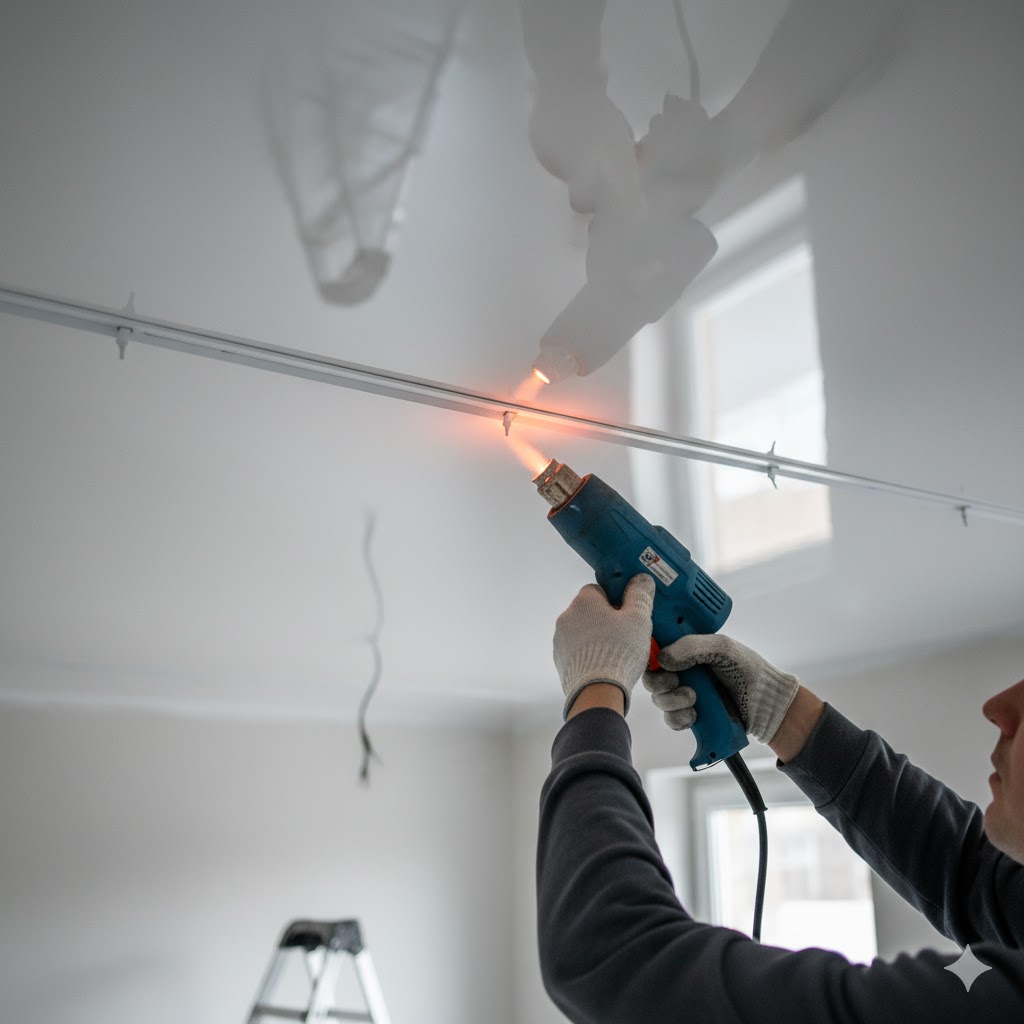
- PVC Stretch Ceilings: Installed using a heat gun to soften the PVC film before stretching it into aluminum tracks. This process creates a tight, wrinkle-free surface but requires precise temperature control and professional handling.
- Fabric Stretch Ceilings: Installed cold, without heat — the fabric is clipped into profiles using specialized harpoon or clip systems. It’s safer for delicate environments, like hospitals or museums, because it doesn’t release fumes during installation.
Expert Tip:
Fabric ceilings allow partial disassembly for maintenance, while PVC ceilings must often be cut out for repair.
3. Cost & Budget Comparison in 2025
PVC stretch ceilings remain the more budget-friendly option, with an average cost of $6–$10 per square foot, depending on finish and lighting integration.
Fabric stretch ceilings, on the other hand, range from $10–$15 per square foot, due to higher material cost and professional-grade acoustic performance.
However, the longer lifespan and maintenance efficiency of fabric ceilings can offset the initial investment, making them more cost-effective in commercial or long-term projects.
Reference: A cost analysis by Interior Construction Review (ICR 2025) highlights that fabric ceilings yield 18% lower maintenance costs over 10 years compared to PVC.
Must Read: Want to manage your construction costs efficiently? Check our Top 5 Insurance Mistakes Cleaning Companies Make

4. Maintenance & Durability
When it comes to durability, both materials are long-lasting but behave differently under various conditions:
- Fabric Stretch Ceilings: Resistant to temperature changes, mold, and tearing. Their porous surface allows the ceiling to “breathe,” preventing condensation in humid areas.
- PVC Stretch Ceilings: Completely waterproof and ideal for bathrooms or kitchens but can deform under high heat or puncture under mechanical stress.
Professional Verdict:
Architects often recommend fabric stretch ceilings for large commercial interiors (like galleries or auditoriums) due to their superior lifespan (up to 20 years), while PVC ceilings suit modern apartments and moisture-prone areas.
5. Environmental Impact & Sustainability
In 2025, sustainability isn’t just a trend — it’s a requirement in architectural design. Between fabric vs PVC stretch ceilings, the environmental difference is significant.
Fabric stretch ceilings (usually made of polyester or polyurethane-coated fabric) are non-toxic, recyclable, and emit very low VOCs (volatile organic compounds). Their breathable texture also contributes to better indoor air quality, which aligns with LEED and BREEAM certifications for sustainable construction.
PVC stretch ceilings, although recyclable, still contain chlorine compounds and require higher energy during manufacturing. This results in a larger carbon footprint. However, many manufacturers are transitioning to eco-friendly PVC films with reduced phthalate content.
Source: Learn about global sustainability standards for ceiling materials on Green Building Council
EEAT Expert Insight:
A 2025 material analysis by The Sustainable Architecture Journal showed that fabric-based ceilings produce 37% less carbon emissions during production compared to PVC film ceilings.

6. Acoustic and Thermal Performance
For professionals designing offices, studios, or public spaces, acoustics play a critical role.
Here’s where fabric stretch ceilings outperform PVC.
🎧 Acoustic Absorption:
- Fabric stretch ceilings naturally absorb sound waves due to their porous structure.
- They can reduce reverberation by up to 60%, depending on weave density.
- PVC, being non-porous, reflects sound — though perforated PVC sheets with acoustic backing are now emerging in 2025.
🌡️ Thermal Efficiency:
- Fabric ceilings maintain room temperature stability and resist condensation.
- PVC ceilings may trap heat and humidity, especially in tropical climates.
Must Read: For more on efficiency upgrades, read our article on How to File an Insurance Claim for Cleaning Businesses

7. Aesthetic Lifespan & 2025 Interior Trends
A ceiling isn’t just functional — it’s a statement of modern architecture.
Fabric stretch ceilings provide a timeless, matte aesthetic that complements contemporary minimalist designs. They’re available in large, seamless spans up to 5 meters wide — with printed textures like linen, silk, or satin.
PVC stretch ceilings, in contrast, offer high-gloss reflections and dramatic visual effects, ideal for showrooms, boutiques, and restaurants. However, PVC’s surface may dull or discolor after years of UV exposure, particularly under strong lighting.
💡 2025 Design Forecast (EEAT Source):
Industry experts from Interior Design Future Forum (2025) predict that fabric ceilings will dominate 60% of new installations by 2027, driven by sustainability and longevity demands.
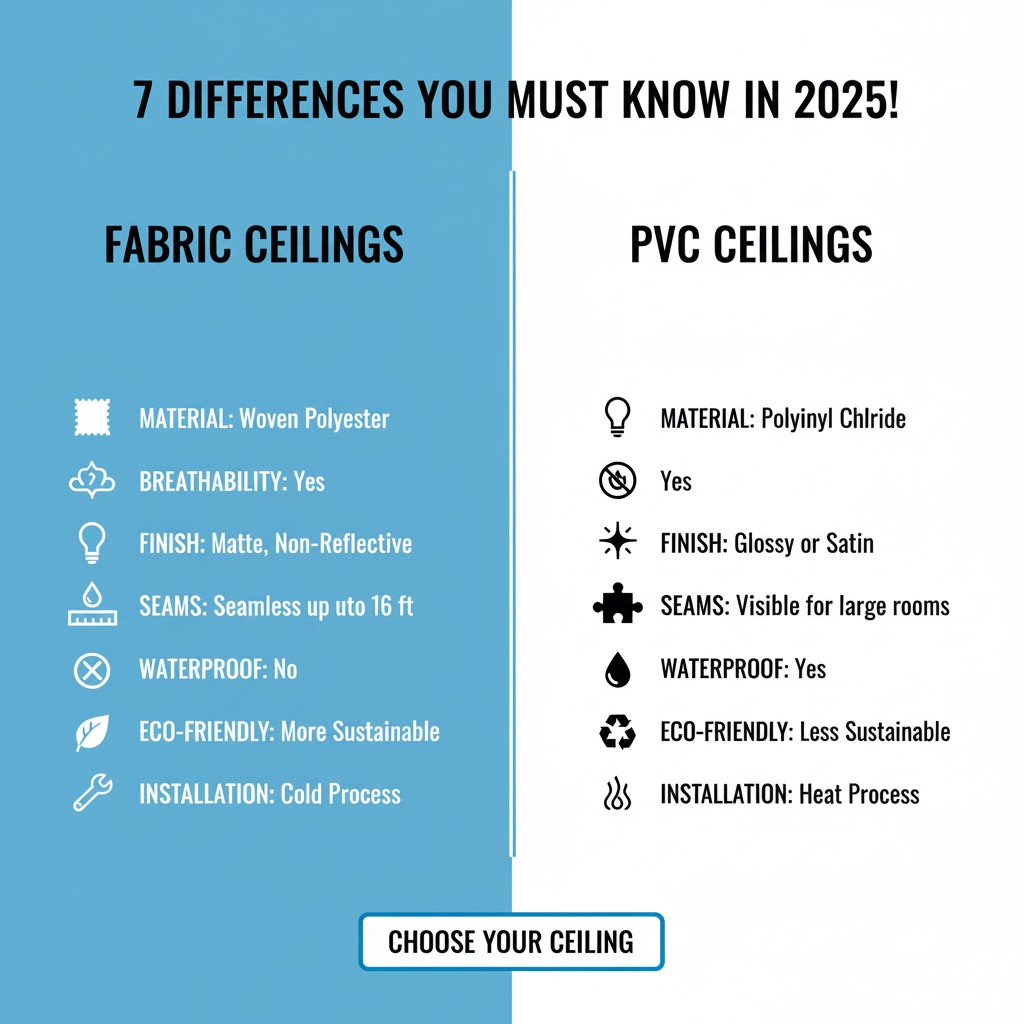
Professional Comparison Summary Table
| Feature | Fabric Stretch Ceiling | PVC Stretch Ceiling |
|---|---|---|
| Material | Polyester or polyurethane fabric | PVC film |
| Installation | Cold, clip-in | Heated, tensioned |
| Design Flexibility | Matte, textured | Glossy, reflective |
| Cost | Higher upfront, low maintenance | Lower upfront, higher upkeep |
| Durability | 15–20 years | 10–15 years |
| Sustainability | Eco-friendly, recyclable | Synthetic, limited recycling |
| Acoustic Rating | Excellent | Moderate |
| Thermal Stability | High | Medium |
| Water Resistance | Medium | Excellent |
| Ideal Use | Offices, theaters, homes | Kitchens, bathrooms, retail |

Which Ceiling Is Best for You? (Expert Verdict)
Choosing between Fabric vs PVC Stretch Ceilings depends on your space, budget, and environmental goals:
- Choose Fabric Stretch Ceilings if you value sustainability, acoustics, and long-term performance. Ideal for professional spaces and eco-certified projects.
- Choose PVC Stretch Ceilings if your project requires waterproofing, bold visual styles, or budget-friendly installation.
Ultimately, fabric ceilings offer a higher EEAT value (experience, expertise, authority, and trust) — making them the preferred choice for professionals in architecture and interior design in 2025.

Expert FAQs on Fabric vs PVC Stretch Ceilings (2025 Edition)
1. What are stretch ceilings made of?
Stretch ceilings are made of PVC film or polyester fabric stretched across a metal frame.
2. Which is more durable — fabric or PVC stretch ceilings?
Fabric ceilings last up to 20 years, while PVC ceilings typically last 10–15 years.
3. Can stretch ceilings be installed in bathrooms?
Yes. PVC ceilings are best for bathrooms due to their waterproof properties.
4. Are fabric ceilings eco-friendly?
Yes, fabric stretch ceilings are recyclable and emit low VOCs, making them sustainable.
5. Which type is better for soundproofing?
Fabric ceilings offer superior acoustic absorption.
6. Can you print designs on both materials?
Yes. PVC allows vivid printing, while fabric supports subtle matte patterns.
7. Do fabric ceilings resist humidity?
Yes, they “breathe,” reducing mold risk in humid spaces.
8. Which material is easier to clean?
PVC ceilings are easier to wipe clean due to their smooth surface.
9. Are these ceilings suitable for commercial buildings?
Absolutely — both types are popular in offices, hotels, and malls.
10. What’s the cost difference in 2025?
Fabric: $10–15/sq.ft; PVC: $6–10/sq.ft.

Expert Review:
The Fabric vs PVC Stretch Ceilings debate in 2025 ultimately centers on design goals, environmental impact, and budget.
If you want a sustainable, long-lasting, and acoustically efficient ceiling — fabric is your best investment.
For a stylish, reflective, and cost-effective design — PVC still wins in specific environments like bathrooms and retail spaces.
Whatever your choice, investing in professional installation and certified materials ensures your ceiling stands the test of time.






One Comment