






Introduction: The Future of Modern Interiors
Home design in 2025 is more than color palettes and furniture—it’s about innovation and technology. One of the biggest trends revolutionizing interiors worldwide is the stretch ceiling system.
Whether you’re renovating an apartment, designing a luxury hotel, or upgrading an office, stretch-ceilings combine beauty, durability, and versatility like no other ceiling solution.
This next-level interior tech uses PVC film or fabric stretched over a frame to create a seamless, smooth surface that hides imperfections, lighting fixtures, and even soundproofing materials.
In this guide, you’ll explore everything from materials and installation to benefits, maintenance, and smart design ideas for 2025 and beyond.
🧱 What Are Stretch-Ceilings?
Stretch ceilings are modern suspended ceiling systems made from PVC (polyvinyl chloride) or polyester fabric stretched tightly across an aluminum or plastic frame.
They were originally developed in Europe and have now become a global interior design trend.
🧩 Components of a Stretch Ceiling System:
- PVC or Fabric Membrane: Flexible sheet forming the visible surface.
- Profile Frame: Aluminum or PVC profile attached to walls or ceiling edges.
- Harpoon System: A perimeter fitting that keeps the sheet taut.
- Lighting Integration: LED strips, spotlights, or diffused lighting.
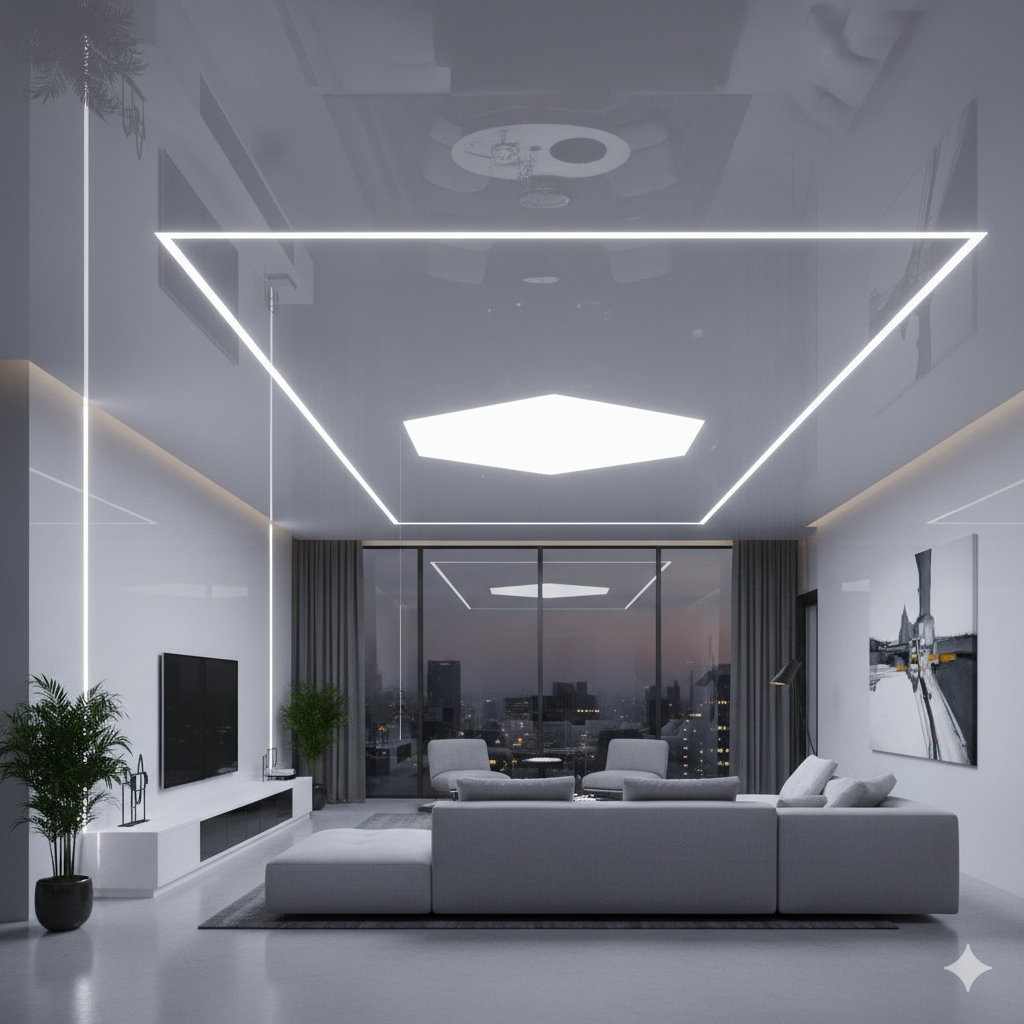
Why Stretch Ceilings Are the Smart Interior Upgrade for 2025
With homeowners embracing smart homes and eco-conscious materials, stretch ceilings are becoming the go-to ceiling solution for 2025.
✅ Key Advantages:
- Seamless and Elegant Finish: Perfectly smooth with no cracks or joints.
- Quick Installation: Most ceilings are installed in just 1 day.
- Moisture Resistant: Ideal for kitchens and bathrooms.
- Fire Retardant: Meets modern safety standards.
- Customizable: Choose from glossy, matte, metallic, or 3D designs.
- Smart Lighting Compatible: Integrate with modern lighting controls and automation.
- Long Lifespan: Can last up to 20 years with minimal maintenance.
Related Post: Learn more about sustainable interiors in our guide on Cleaning Compliance Checklist 2025: Startup Success Guide

Materials Used in Stretch Ceilings
Two main materials dominate this technology: PVC film and fabric membranes.
| Material | Features | Best For |
|---|---|---|
| PVC Stretch Ceiling | Flexible, waterproof, and comes in various colors | Bathrooms, kitchens, offices |
| Fabric Stretch Ceiling | Breathable, elegant texture, non-toxic | Bedrooms, living rooms, luxury interiors |
Types of Stretch Ceilings
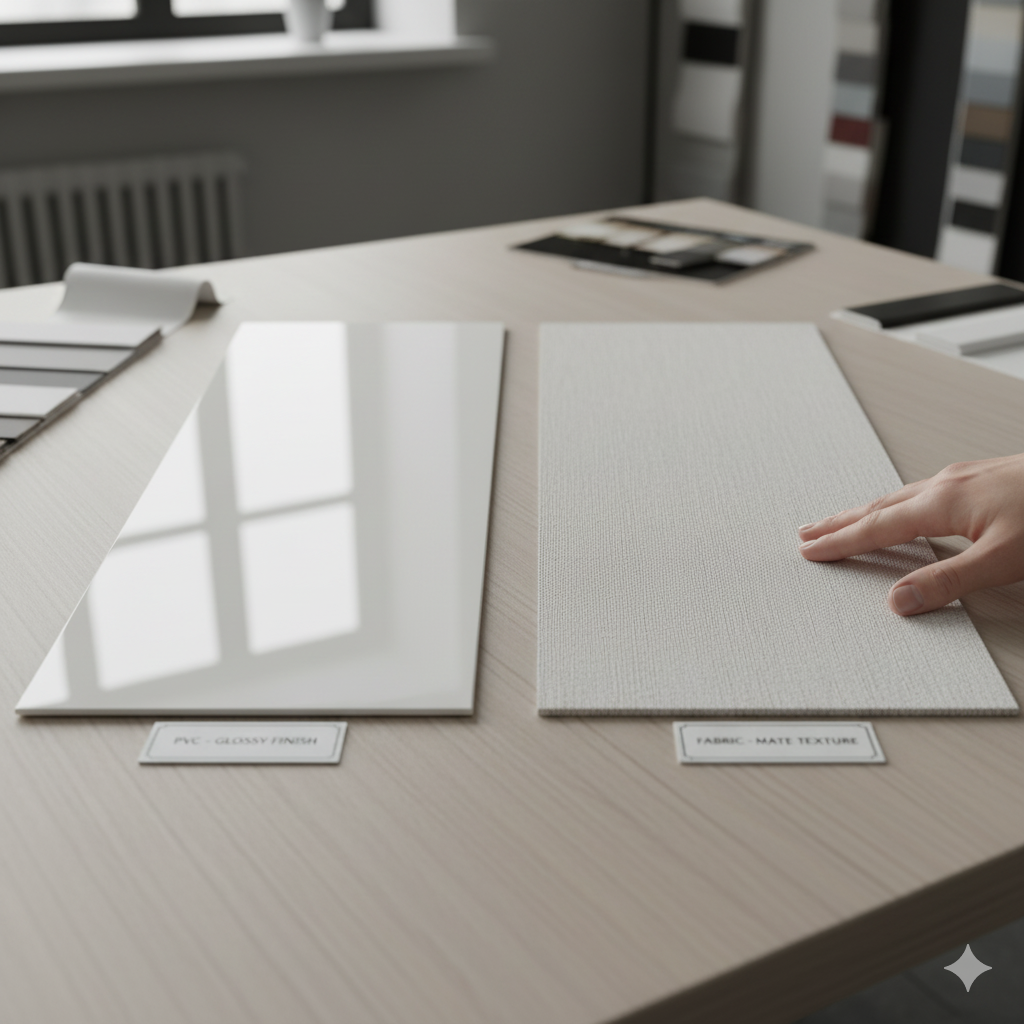
1. Glossy Ceilings
Reflect light, creating a bright, spacious atmosphere.
Perfect for small rooms or areas with low ceilings.
2. Matte Ceilings
Offer a smooth, elegant look with no reflections — ideal for minimalist interiors.
3. Satin Ceilings
A blend between glossy and matte; soft reflections give a premium feel.
4. Translucent Ceilings
Used for diffused lighting or backlit ceilings with LED panels.
5. Printed Stretch Ceilings
Feature custom images, sky effects, or patterns — popular for commercial spaces.
6. 3D Stretch Ceilings
Use multiple layers and lighting effects for dramatic interiors.
Installation Process Step-by-Step
Installing stretch ceilings requires precision, but modern technology has made it faster and cleaner than ever.
Step 1: Measurement & Design
Technicians take precise room measurements to customize the membrane and frame.
Step 2: Profile Mounting
Aluminum profiles are fixed around walls or ceilings.
Step 3: Heating the PVC Film
The PVC membrane is heated (up to 60–70°C) to become flexible for stretching.
Step 4: Stretching & Fitting
The heated film is hooked into the profile frame using a harpoon clip system.
Step 5: Cooling & Finishing
As the PVC cools, it tightens perfectly to form a flawless ceiling surface.
💡 Fun Fact: Installation is almost dust-free — no painting, no debris, no mess!
Design & Lighting Ideas for 2025
Stretch ceilings are not just functional—they’re design statements. In 2025, interior designers are combining LED integration and smart lighting for spectacular effects.
Trending Design Ideas:
- Galaxy Ceilings: Printed stars + hidden LED lights
- Infinity Lighting: Concealed edge lighting for futuristic looks
- Multi-Level Ceilings: Combine matte and glossy finishes for contrast
- Backlit Fabric Ceilings: Perfect for hotel lobbies and retail spaces
- Smart RGB Lighting: Sync with mobile apps for mood lighting

Source: Check out the Philips Hue Smart Lighting System to integrate with stretch ceilings.
Eco-Friendly & Sustainable Benefits
Stretch ceilings are increasingly being recognized for their eco-friendly properties:
- 100% recyclable PVC and fabric options
- Energy-efficient lighting integration
- Long lifespan = less waste
- Low maintenance = less chemical use
- Thermal insulation benefits
💬 Tip: Choose certified eco-friendly membranes with low VOC emissions.
Source: Learn more about sustainable materials at Green Building Council
Cost & Budgeting in 2025
The cost of installing stretch ceilings depends on design complexity, material type, and area size.
💰 Average Cost Breakdown:
| Type | Price (per sq. meter) | Notes |
|---|---|---|
| PVC Stretch Ceiling | $20–$40 | Most affordable option |
| Fabric Stretch Ceiling | $35–$60 | Premium texture and durability |
| Printed or 3D Designs | $50–$100 | Customized artistic finish |
Pro Tip: While PVC options are cheaper, fabric ceilings offer better acoustic and thermal performance.
Maintenance & Durability
One of the biggest perks of stretch ceilings is their low maintenance.
🧴 Cleaning Tips:
- Use a soft cloth and mild soap solution
- Avoid abrasive cleaners or alcohol-based products
- For glossy finishes, use a microfiber cloth to prevent streaks
- Professional inspection every 3–5 years
📍 Regular care keeps ceilings looking new for up to 20 years!
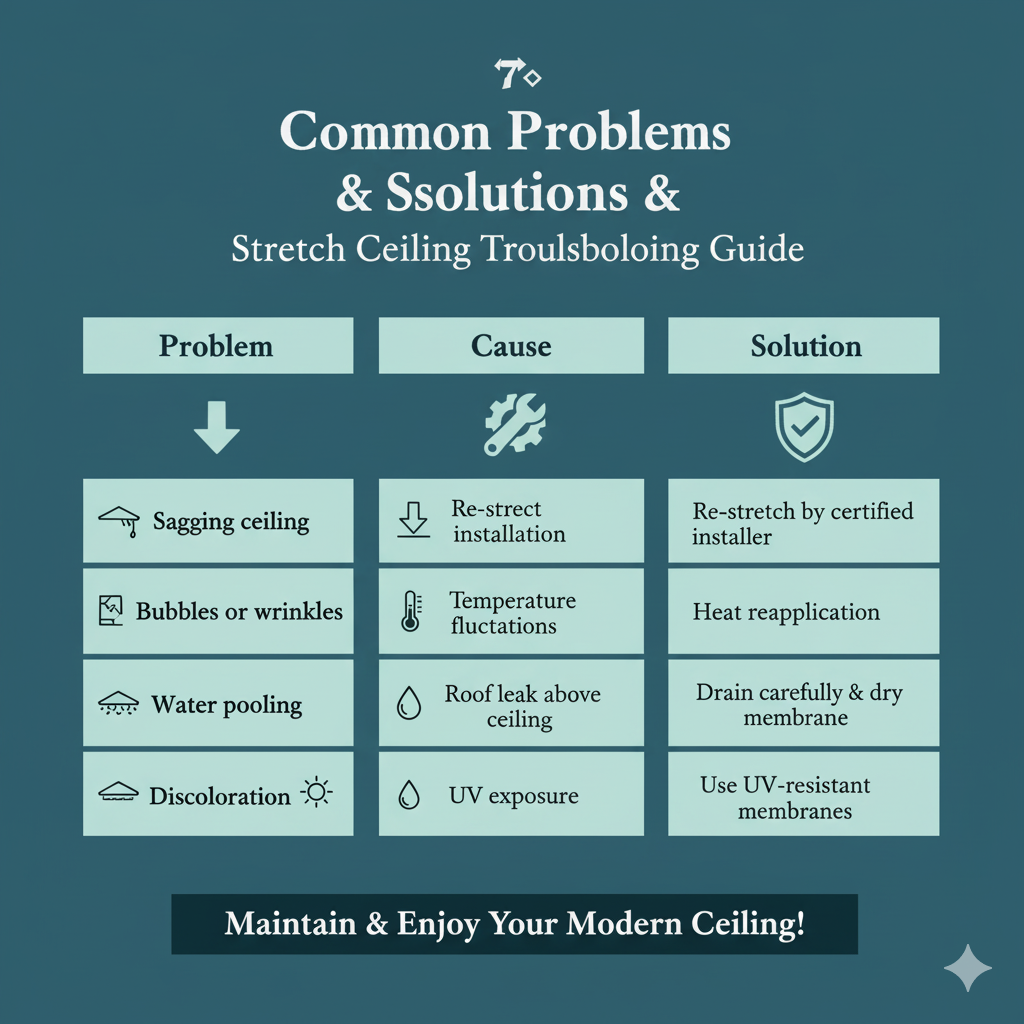
🛠️ Common Problems & Solutions
| Problem | Cause | Solution |
|---|---|---|
| Sagging ceiling | Incorrect installation | Re-stretch by certified installer |
| Bubbles or wrinkles | Temperature fluctuations | Heat reapplication |
| Water pooling | Roof leak above ceiling | Drain carefully & dry membrane |
| Discoloration | UV exposure | Use UV-resistant membranes |
Related Post: For maintenance safety, read our Cleaning Company Tax 2025: VAT & GST Guide
Where Stretch Ceilings Work Best
- Residential homes (living rooms, kitchens, bathrooms)
- Offices and coworking spaces
- Restaurants and cafes
- Retail showrooms
- Hotels and event halls
- Hospitals and clinics (anti-bacterial fabric options available)
⚙️ Smart Home Integration
Stretch ceilings are now part of the smart interior revolution.
They can integrate with:
- Motion-activated lighting
- Smart RGB lighting systems
- Hidden speakers
- Climate sensors
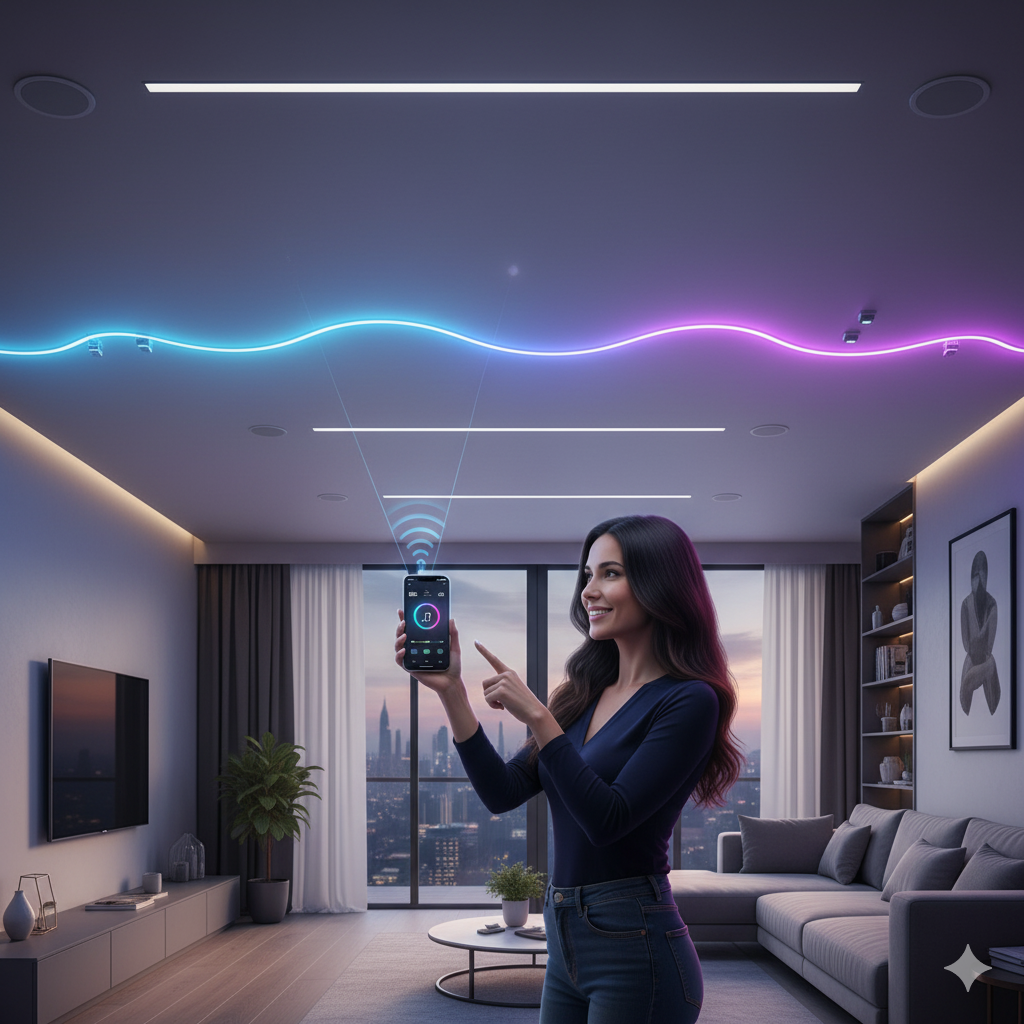
The future of ceiling design is not just aesthetics—it’s interactive technology.
🧭 Comparison: Stretch Ceilings vs Traditional False Ceilings
| Feature | Stretch Ceiling | False Ceiling (Gypsum/POP) |
|---|---|---|
| Installation Time | 1 day | 3–5 days |
| Maintenance | Low | High |
| Design Flexibility | Unlimited | Limited |
| Durability | 15–20 years | 7–10 years |
| Waterproof | Yes | No |
| Smart Integration | Easy | Difficult |
Frequently Asked Questions (FAQ)
1. What is a stretch ceiling?
A modern ceiling system made from PVC or fabric stretched over a frame to create a seamless surface.
2. How long do stretch ceiling last?
Typically 15–20 years with proper care.
3. Are stretch ceilings waterproof?
Yes, PVC models are 100% waterproof and protect against leaks.
4. Can stretch ceilings be repaired?
Yes, minor damages can be fixed without full replacement.
5. Are they suitable for all rooms?
Yes, including bathrooms, kitchens, and bedrooms.
6. Do they support LED lighting?
Absolutely — LED strips and spotlights integrate perfectly.
7. Are stretch ceilings eco-friendly?
Yes, recyclable materials and low energy usage make them sustainable.
8. Do they affect ceiling height?
Only slightly (about 2–3 cm), which is minimal compared to traditional ceilings.
9. What’s the average cost per sq. meter?
Between $20 and $60 depending on material and finish.
10. Can I install stretch ceilings myself?
It’s best left to professionals due to heat-stretching requirements.
11. Are stretch ceilings soundproof?
They reduce noise when combined with acoustic insulation.
12. Do they fade over time?
High-quality membranes are UV-protected and fade-resistant.
13. How to clean stretch ceilings?
Use a damp microfiber cloth and gentle detergent.
14. Are stretch ceilings safe?
Yes — fire-resistant, moisture-proof, and non-toxic materials are used.
15. Do they work for commercial spaces?
Yes — ideal for offices, malls, and hotels.
Expert Advice: The Ceiling Revolution of 2025
Stretch ceilings have redefined what it means to have a modern, intelligent, and durable ceiling. Combining aesthetic beauty, technical innovation, and eco-friendly durability, they’re a must-have for any 2025 renovation or new build.
From PVC gloss finishes to fabric acoustic systems, these ceilings don’t just decorate—they transform. Whether you’re designing your first home or upgrading a workspace, stretch ceilings deliver elegance, comfort, and technology in one seamless package.





One Comment