




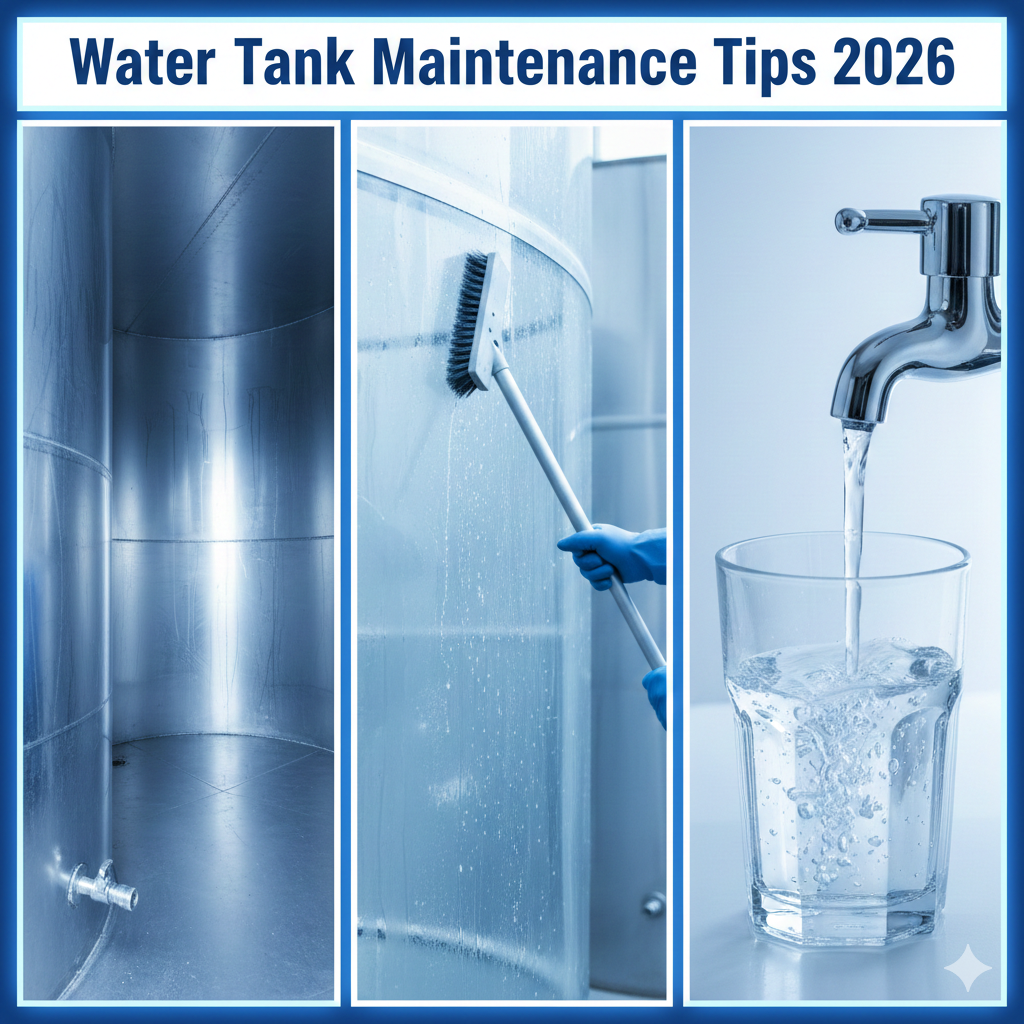
Why Water Tank Maintenance Tips Matters in 2026
Clean water is the backbone of every household — but what many people overlook is the condition of their water storage tank, where unseen dirt, sediments, bacteria, algae, and chemical contaminants silently collect over time.
Whether it’s an underground, overhead, plastic, concrete, or reinforced steel tank, proper maintenance ensures:
- ✔ Safe & healthy water
- ✔ No bad smell or taste
- ✔ Hydration without contaminants
- ✔ Avoiding diseases like diarrhea, typhoid & skin issues
- ✔ Protecting plumbing and home appliances
- ✔ Prolonging tank lifespan
- ✔ Preventing algae and mosquito breeding
In 2026, with rising pollution, heat, and water challenges, maintaining your tank is more important than ever.

This premium guide breaks down smart, practical, and eco-friendly ways to maintain your tank without stress.
How Often Should You Clean Your Water Tank?
For most homes:
| Tank Type | Recommended Cleaning Frequency |
|---|---|
| Plastic Water Tank | Every 3–4 months |
| Underground Cement Tank | Every 4–6 months |
| Stainless Steel Tank | Every 6 months |
| Commercial Water Tanks | Every 2–3 months |
| High-Hardness Water Areas | Every 2 months |
| Hot Climate Areas | Every 2–3 months |
Pro Tip:
If your water smells bad, looks cloudy, or leaves yellow marks on surfaces — clean immediately.
Signs Your Water Tank Needs Urgent Cleaning
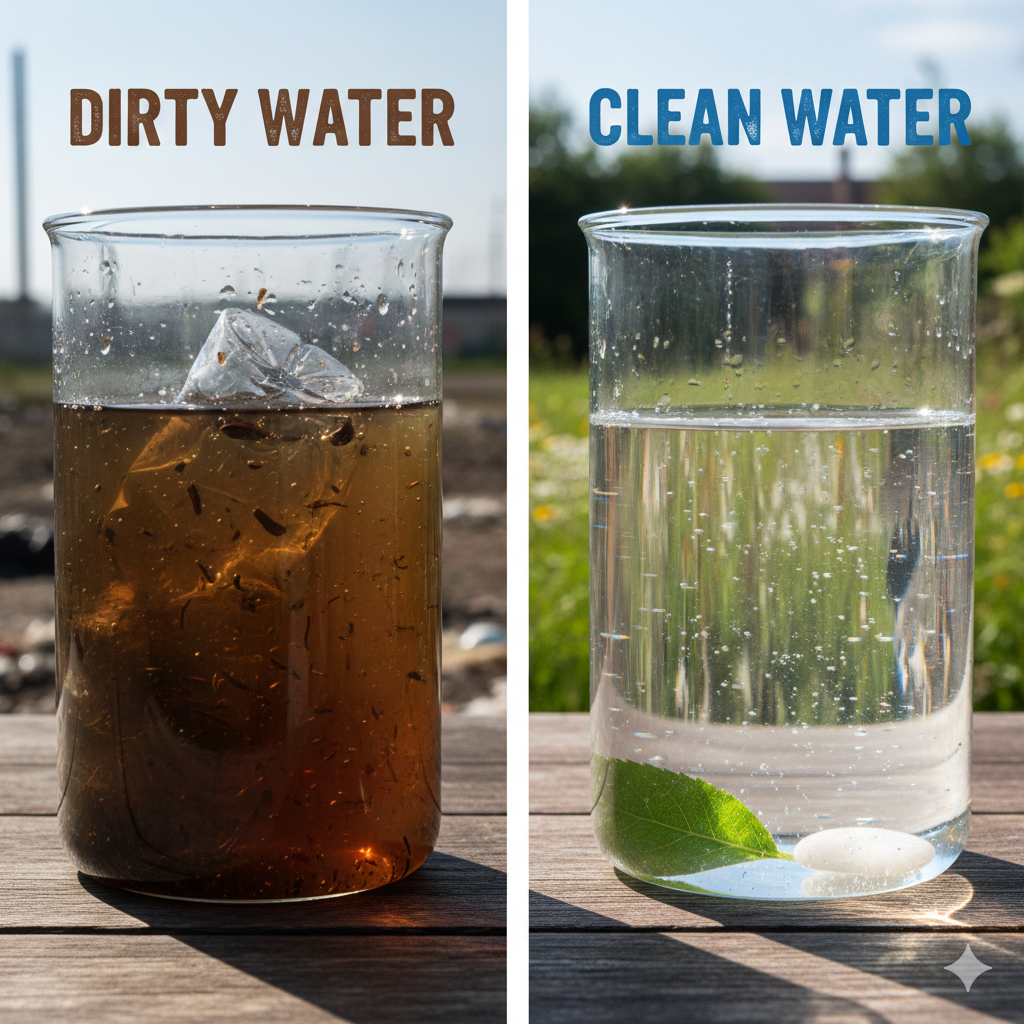
Here’s how you know your tank needs attention ASAP:
- Mud or sand at bottom
- Brownish water
- Strange oily film floating
- Greenish algae on the walls
- Metallic or chemical smell
- Water pressure drops
- Mosquitoes inside the tank
- White scale buildup on taps
If you spot any of these signs, don’t delay.
Also Read: Eco-Friendly Water Tank Cleaning – Safe, Sustainable & Chemical-Free Solutions 2026
Step-by-Step Water Tank Maintenance Process
1. Drain the tank completely
Turn off the supply and release all water from the bottom outlet.
2. Scrub internal walls
Use:
- Soft brush
- Long handle mop
- Eco-friendly cleaner
- Avoid harsh chemicals
3. Remove sediments
Use a wet/dry vacuum or bucket.
4. Disinfect safely
Options include:
- Bleach solution (diluted properly)
- Hydrogen peroxide mix
- Vinegar + baking soda (eco-friendly)
- Commercial safe disinfectant
5. Rinse thoroughly
Ensure no chemical or residue smell remains.
6. Clean tank lid
Tight-fitting lid prevents contamination.
7. Test water quality
Ensure water is:
- Clear
- Odorless
- Taste-free
8. Refill tank
Allow it to fill naturally.
Source:
CDC — Water Disinfection & Chemical Treatment Guidelines
Smart Maintenance Tips for 2026
1. Install a tank filter
A small inlet filter catches:
- Dirt
- Sand
- Leaves
- Insects
2. Use a UV sterilizer
Kills bacteria, algae & viruses.
3. Keep tank in shade
Heat promotes algae growth.
4. Check the tank for cracks
Prevent leaks and contamination.
5. Keep overhead tank fully covered
Open tanks = mosquito breeding.
6. Install a water level sensor
Avoid tank overflow & foul smell.
7. Avoid chemical-heavy cleaners
They leave harmful residue.
Eco-Friendly Tank Cleaning Methods
For green cleaning, use:
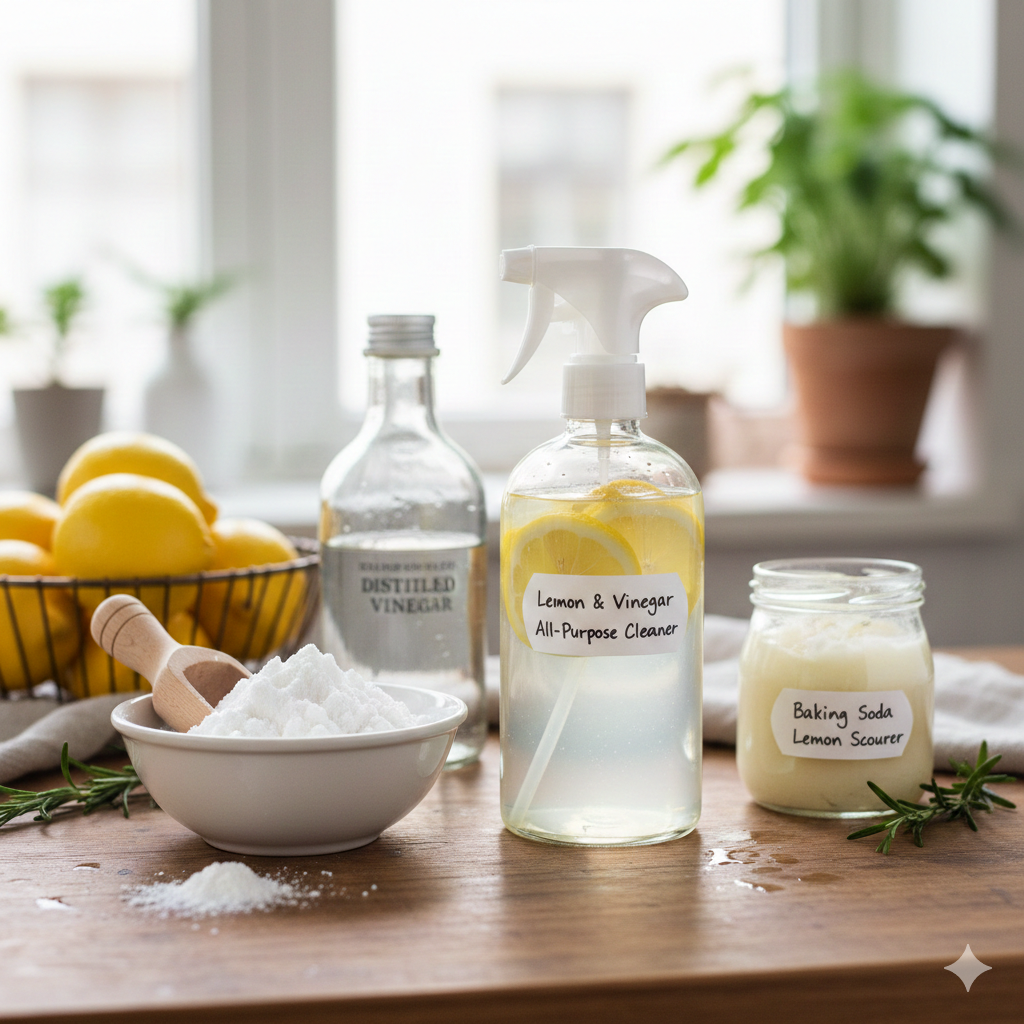
1. White Vinegar + Baking Soda
Removes:
- Stains
- Odor
- Bacteria
2. Lemon + Hot Water
Natural disinfectant.
3. Hydrogen Peroxide
Powerful, safe sterilizer.
4. Scrub + Steam Cleaning
Great for plastic tanks.
Maintenance Checklist (Monthly & Seasonal)
Monthly Checklist
✔ Check water color
✔ Check lid security
✔ Monitor water smell
✔ Inspect tank inlet filter
✔ Check for leaks
Seasonal Checklist
✔ Full tank cleaning
✔ UV lamp inspection
✔ Plumbing check
✔ Rust inspection (steel tanks)
✔ Algae removal in extreme heat
Mistakes to Avoid
❌ Do NOT leave tank open
❌ Do NOT use strong acids
❌ Do NOT skip rinsing after cleaning
❌ Do NOT clean tank while pump is ON
❌ Do NOT delay cleaning more than 6 months
Clean Water Starts with a Clean Tank

Maintaining your water tank isn’t just maintenance — it’s health protection.
With smart, simple, and eco-friendly steps, you can enjoy:
- Fresh water
- Better hygiene
- Safe drinking & cooking
- Longer appliance life
- Peace of mind
Make water tank cleaning a non-negotiable routine in 2026.