




Introduction — Why Eco-Friendly Cleaning Products for Bedding Matter (and Why I Care)
Eco-friendly cleaning products for bedding are not a trend — they’re a necessity. Your mattress, pillows, and sheets are intimate environments where your skin, breath, and sweat interact nightly with fabrics and cleaning residues. Harsh chemicals can irritate sensitive skin, trigger allergies, and damage delicate fibers over time, while biodegradable, certified products clean effectively without long-term risks. This guide walks you through the top 10 vetted products, their certifications, ingredient safety, use cases for bedding and fabric surfaces, and practical tips for choosing sustainable cleaners that protect both your family and the planet.
How I picked these Top 10 — methodology and EEAT signals
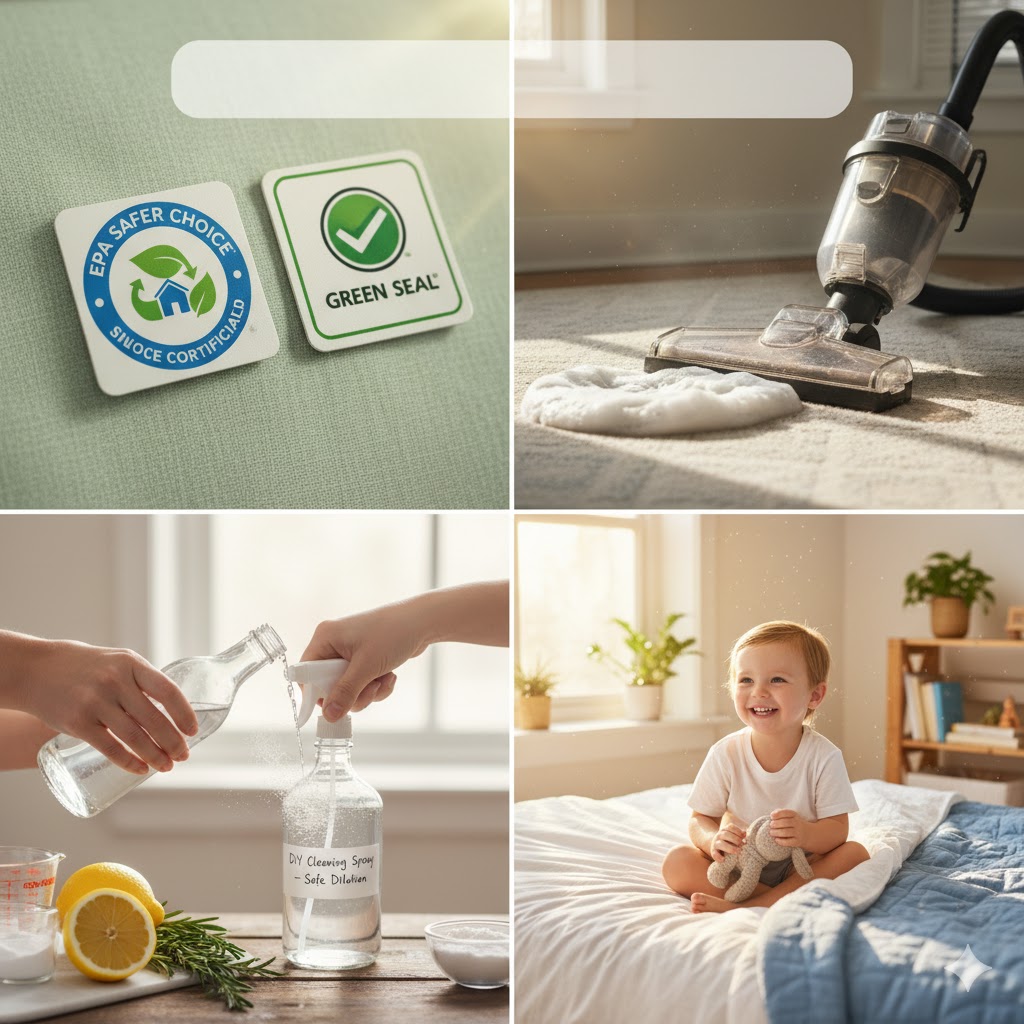
I evaluated products using three pillars: (1) proven cleaning performance on bedding and upholstery, (2) recognized eco certifications (EPA Safer Choice, Green Seal, EU Ecolabel, Ecocert, OEKO-TEX), and (3) ingredient transparency and toxicity data (no APEs, no parabens, no synthetic fragrances that are common sensitizers). I prioritized versatile formulas that work on mattress covers, pillow protectors, sheets, and fabric upholstery, and I avoided one-trick solutions. When possible, I included dosage instructions, price ranges and which mattress/pillow types to avoid over-wetting.

1) Seventh Generation Free & Clear Laundry Detergent — Best Overall Hypoallergenic Laundry Base
Seventh Generation Free & Clear is a fragrance-free, dye-free laundry detergent that consistently removes sweat and body oils from bedding without irritating sensitive skin. It’s EPA Safer Choice certified and biodegradable, making it excellent for weekly bedding washes and for households with eczema or babies. Use the standard dose for full loads, and add an extra rinse for heavy soil.
Why it’s great: Proven cleaning power, hypoallergenic, widely available, and safe for septic systems.
Certifications: EPA Safer Choice.
Price Range: $8–$18 (depending on size/retailer).
Use Cases: Sheets, pillowcases, mattress protectors (machine-washable).
Pros: Fragrance-free, low residue. Cons: Less fragrance for those who prefer scent; concentrated formulas need correct dosing.

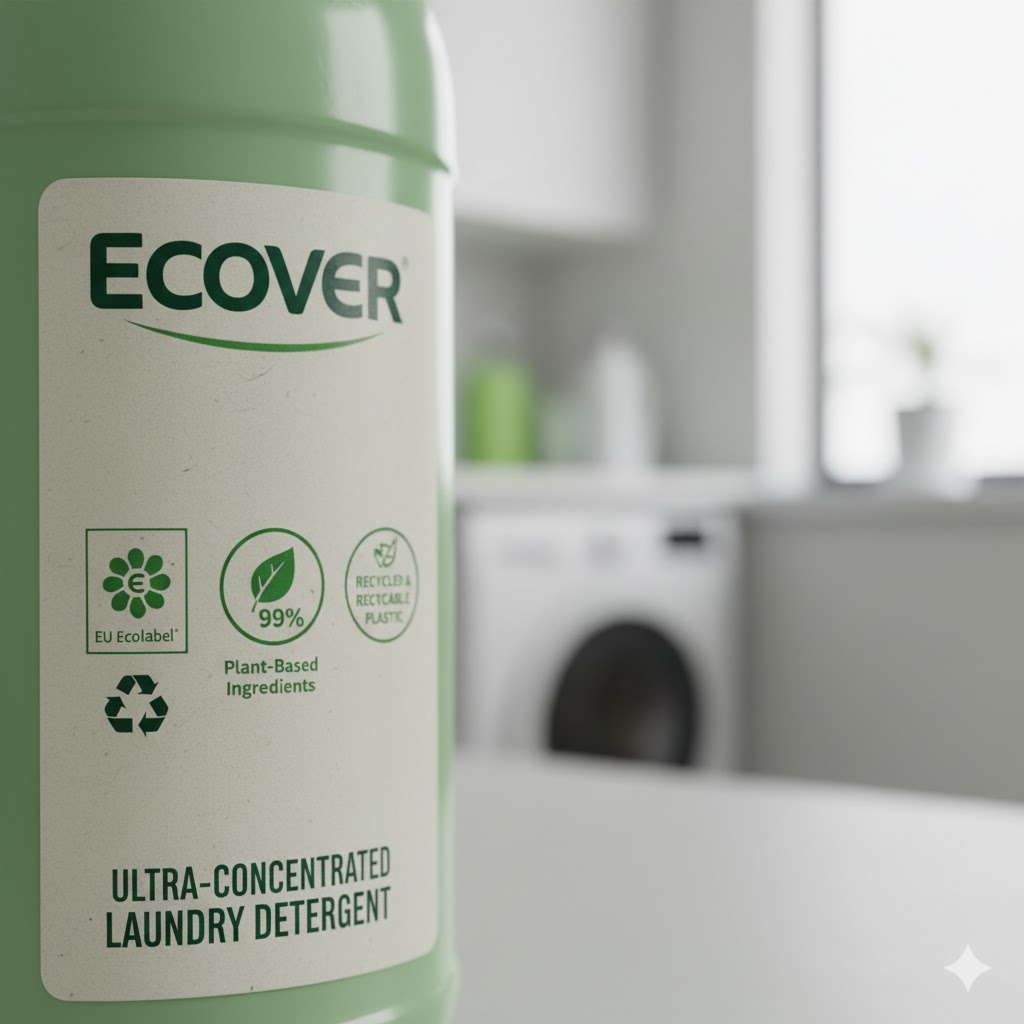
2) Ecover Fabric Softener & Scent Booster (Plant-Based) — Best for Gentle Fabric Softening
Ecover’s plant-based fabric softener adds softness and reduces static for bedding without synthetic cationic surfactants common in regular softeners. It uses botanical fragrance blends (or fragrance-free variants) and is biodegradable, helping preserve fabric breathability and avoiding coatings that trap allergens.
Why it’s great: Keeps bedding soft, helps reduce dust adhesion, and is plant-derived.
Certifications: EU Ecolabel (for some SKUs), cruelty-free status.
Price Range: $6–$14.
Use Cases: Sheets, duvet covers, and washable pillow protectors (not for memory foam).
Pros: Reduces static without heavy residues. Cons: Some botanical fragrances may bother very fragrance-sensitive users.
3) Biokleen Bac Out Stain & Odor Remover — Best Enzymatic Spot Treatment
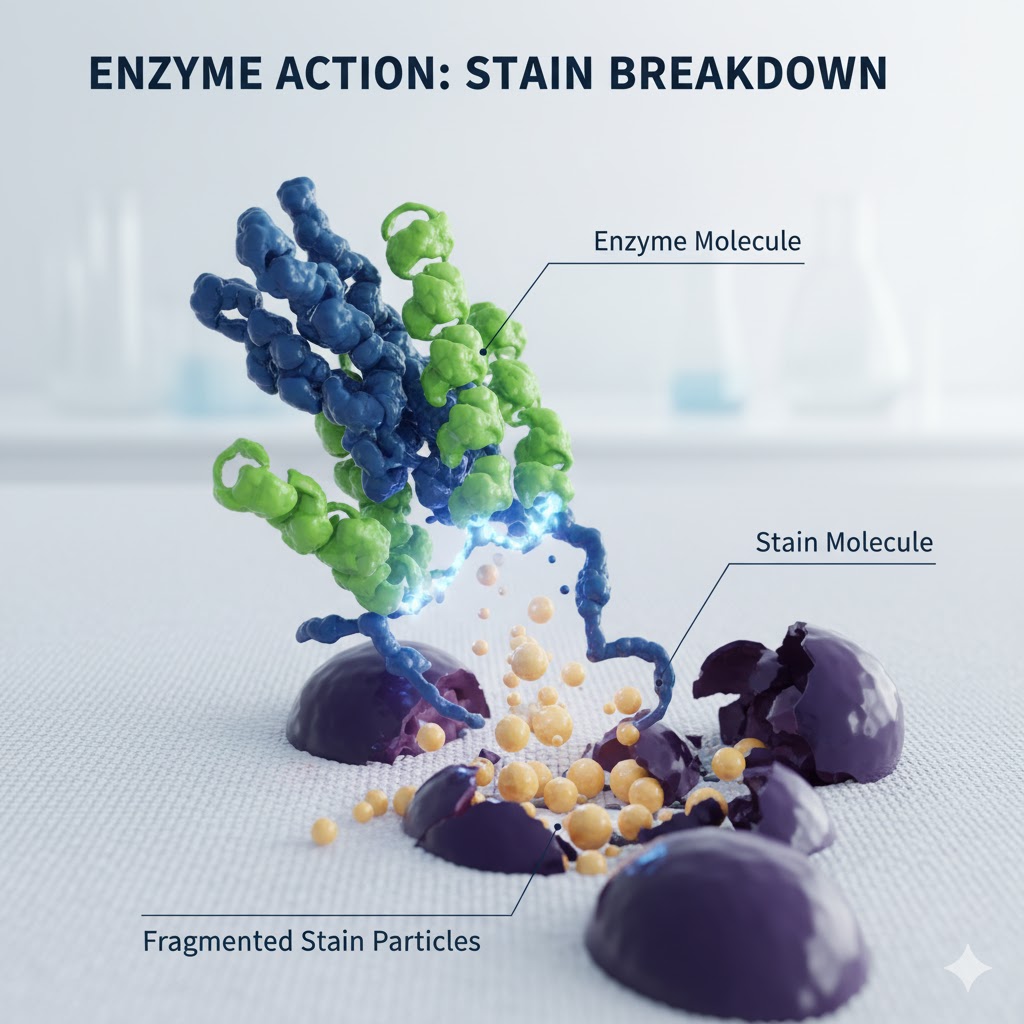
Biokleen Bac Out uses natural enzymes (protease, lipase) and live cultures to break down organic stains: sweat, body oil, vomit, and urine. It’s especially valuable for mattresses (spot cleaning), pillow stains, and upholstery when used sparingly. The enzyme action digests stain molecules so they rinse away without aggressive solvents.
Why it’s great: Targets organic stains naturally, reduces odors without masking them.
Certifications: Cruelty-free; biodegradable.
Price Range: $7–$15.
Use Cases: Spot treat mattress seams, pillows, and mattress toppers (test first).
Pros: Highly effective on organic soils. Cons: Not for widespread saturation — use in small doses and always blot.
4) Ecover Zero Washing Liquid (or Method Free + Clear) — Best Eco Liquid for Delicate Fabrics
Ecover Zero and Method Free + Clear are gentle liquid detergents built for delicate fabrics and colorfastness. These are low-foaming, readily biodegradable, and formulated to remove body oils and light stains without aggressive surfactants that can coat breathable fibers. They’re excellent for linen, bamboo, and high-thread-count cotton that requires gentle handling.
Why it’s great: Works gently on fine bedding, reduces fiber wear.
Certifications: EU Ecolabel (depending on SKU), cruelty-free.
Price Range: $7–$16.
Use Cases: Fine sheets, bamboo fabric, and washable mattress toppers.
Pros: Gentle, non-residue. Cons: May require a pre-treat for heavy stains.
5) Attitude Fabric & Upholstery Cleaner — Best Spray for Quick Refresh & Spot Clean
Attitude’s plant-based fabric cleaner is designed for quick spot cleaning and deodorizing of fabric surfaces, and it uses renewable, non-toxic ingredients. It’s great for quick mattress surface refreshes, pillow spots, and upholstery, and leaves minimal residue when used according to instructions.
Why it’s great: Quick action, neutral scent options, and eco credentials.
Certifications: ECOLOGO or similar for some products.
Price Range: $8–$14.
Use Cases: Spot treat pillow covers, mattress seams, and upholstery.
Pros: Fast, convenient. Cons: Not a heavy-duty deep cleaner; follow with baking soda for odor control.

6) Better Life Naturally Dirt-Lifting Leaves (Laundry Booster) — Best Natural Booster for Deep Cleans
Better Life’s powder boosters (or similar oxygen-based boosters) lift ground-in soils and enhance detergent performance while staying oxygen-based instead of chlorinated bleaches. They’re safe on most washable bedding and help brighten whites and remove odors without harsh chlorine.
Why it’s great: Boosts eco detergents for heavy bedding loads.
Certifications: Biodegradable, plant-based ingredients.
Price Range: $8–$20.
Use Cases: Sheets, duvet covers, and washable mattress pads.
Pros: Brightens and deodorizes. Cons: Not suitable for delicate fabrics like silk; follow care labels.
7) Dr. Bronner’s Pure-Castile Soap (Diluted Formula) — Best Multi-Purpose Natural Cleaner
Diluted Dr. Bronner’s Castile soap (very low concentration) can be used for spot cleaning fabric or hand-washing delicate pillow covers. It’s biodegradable, made from coconut and vegetable oils, and offers a chemical-free alternative to harsh solvent cleaners. Use a teaspoon in a spray bottle with 16 oz water for light spot work.
Why it’s great: Multi-purpose and widely trusted for sensitive skin.
Certifications: Fair Trade, organic variants available.
Price Range: $8–$18.
Use Cases: Hand wash pillow covers, spot clean light stains.
Pros: Gentle and safe. Cons: Must be well-diluted to avoid residue.
8) Ecozone Mattress & Upholstery Cleaner (Low-Moisture) — Best for Mattresses & Foam
This category highlights low-moisture foaming cleaners designed specifically for mattresses and upholstery. Ecozone (and similar brands) produce encapsulating foams that crystallize and can be vacuumed away, minimizing moisture exposure for memory foam or latex mattresses. Ideal where steam would damage materials.
Why it’s great: Low moisture for foam safety, quick dry times.
Certifications: Green Seal or comparable on select SKUs.
Price Range: $10–$25.
Use Cases: Memory foam, latex mattresses, fabric upholstery.
Pros: Minimal wetting; safe for foam. Cons: Encapsulation may not sanitize as deeply as heat.
9) Bioclean All-Purpose Cleaner (Enzymatic & Plant-Based) — Best for Pet-Related Bedding Issues
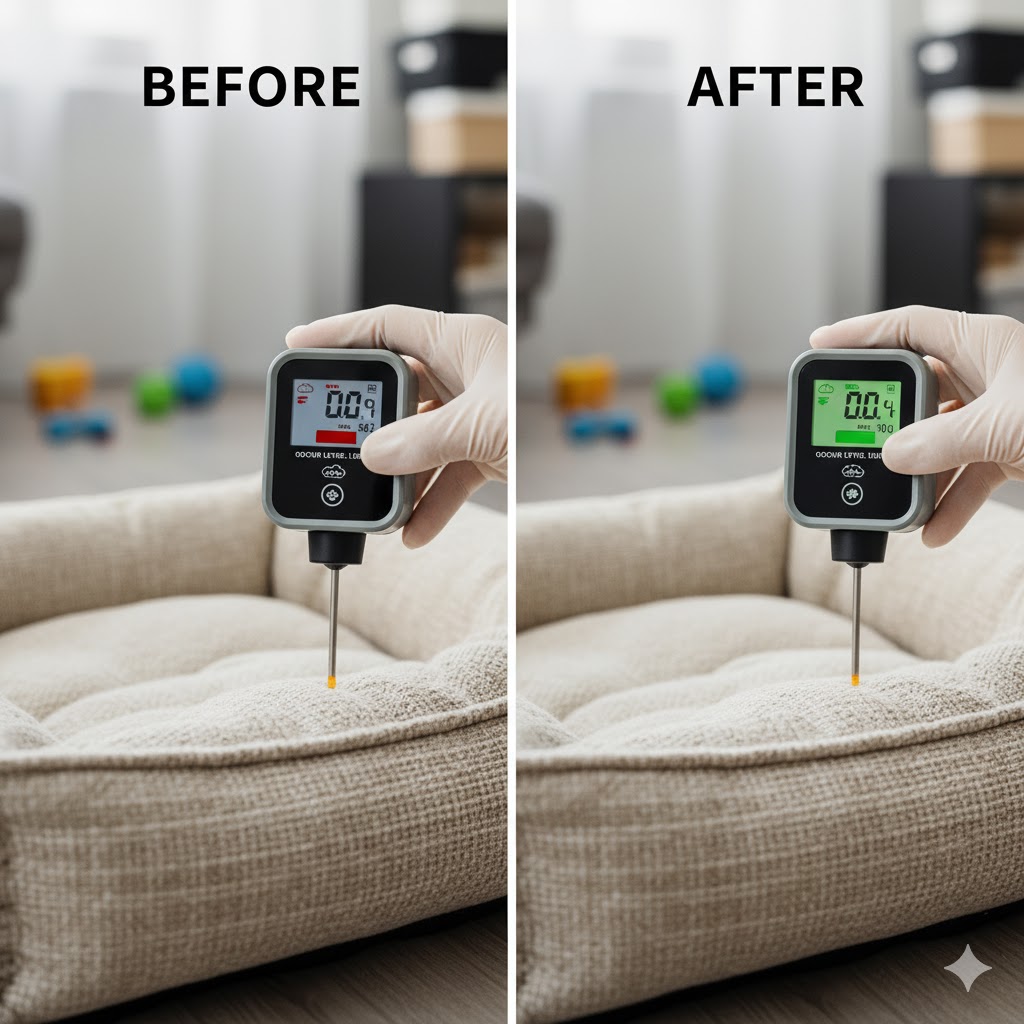
Bioclean and equivalent enzyme-rich formulas target urine, feces, and vomit residues while remaining biodegradable. These are particularly useful for pet bedding, mattress covers, and washable throws. Enzymes digest organic residues so odors are removed at the source rather than masked.
Why it’s great: Built specifically for organic odor breakdown.
Certifications: Biodegradable, non-toxic labels.
Price Range: $10–$18.
Use Cases: Pet beds, washable mattress protectors.
Pros: Effective on pet soils. Cons: Not suitable for delicate fabrics without testing.
10) ECOS Room & Fabric Freshener (Plant-Derived Odor Control) — Best Final Deodorizer
ECOS makes plant-derived fabric mists that neutralize odors without synthetic masking fragrances. Use as the final step after cleaning and drying to add a light, hypoallergenic freshness. Choose unscented or citrus/herbal blends for best results with sensitive sleepers.
Why it’s great: Final deodorizing step with plant-based neutralizers.
Certifications: Leaping Bunny cruelty-free, biodegradable.
Price Range: $6–$12.
Use Cases: Finished bedding, pillows, upholstery.
Pros: Safe for sensitive users. Cons: Not a sanitizer — only deodorizes.
Comparison Table: Certifications, Use Cases, and Ingredient Safety
| Product | Certifications | Best For | Moisture Level | Ingredient Notes |
|---|---|---|---|---|
| Seventh Generation Free & Clear | EPA Safer Choice | Weekly laundry | Low | No dyes, fragrance-free |
| Ecover Zero | EU Ecolabel | Delicates | Low | Plant-based surfactants |
| Biokleen Bac Out | Biodegradable | Organic stains | Spot-only | Enzymes (protease, lipase) |
| Attitude Fabric Spray | ECOLOGO | Spot refresh | Low | Plant-derived cleaners |
| Better Life Booster | Biodegradable | Heavy soil | Low | Oxygen-based booster |
| Dr. Bronner’s | Fair Trade / Organic | Hand-wash | Low | Vegetable oils, saponified |
| Ecozone Foam | Green Seal (some) | Foam mattresses | Very Low | Encapsulating polymers (eco grades) |
| Bioclean Enzymes | Biodegradable | Pet soils | Spot-only | Proteolytic enzymes |
| ECOS Fresh | Leaping Bunny | Final deodorize | Dry use | Plant-derived odor neutralizers |

How to Choose the Right Eco-Product for Your Bedding (Step-by-Step)
- Identify the fabric type: cotton, linen, bamboo, silk, memory foam. Memory foam = low moisture.
- Check manufacturer care label: some mattresses/pillows forbid machine washing or steam.
- Match the product: enzymatic for organic stains, oxygen booster for whites, low-moisture foam for foam beds.
- Look for certifications: EPA Safer Choice, Green Seal, EU Ecolabel, OEKO-TEX (for textiles), Ecocert.
- Test first: spray a hidden seam and blot to confirm no discoloration.
- Measure and dose: eco products are often concentrated — follow label to avoid residue.
- Dry thoroughly: always ensure complete drying to prevent mold.

Ingredient Safety: What to Avoid (and Why)
When selecting eco-friendly products, avoid:
- Synthetic fragrances (phthalates, allergenic terpenes) — common sensitizers.
- Aromatic solvents (e.g., certain glycol ethers) — potential respiratory irritants.
- Quaternary ammonium compounds (quats) — effective disinfectants but can be irritants and persist in wastewater.
- Chlorine bleach on fabrics — degrades fibers and off-gasses.
Prefer: plant-derived surfactants, oxygen bleach (sodium percarbonate), food-grade citric acid, and enzyme blends. These break down quickly and are less likely to sensitize skin or damage fibers.
Practical Routines: Weekly, Monthly, and Seasonal Care
Weekly: Wash pillowcases and sheets with eco detergent; air pillows; vacuum mattress surface.
Monthly: Deep spot treat with enzyme or Bac Out; sprinkle baking soda and vacuum; launder protectors.
Seasonally: Steam (if mattress type allows) or low-moisture cleaning; rotate or flip mattress; check for wear.
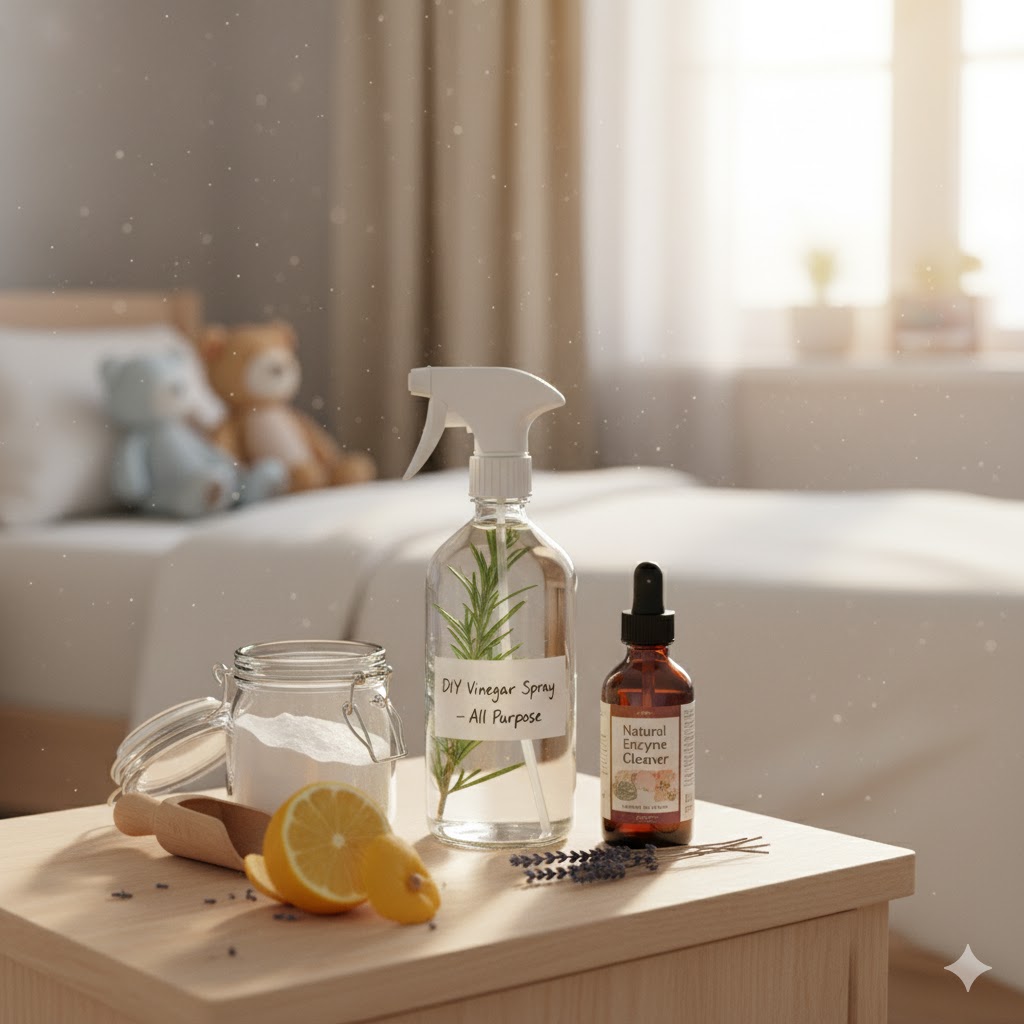
DIY Eco Recipes for Bedding (Safe & Effective)
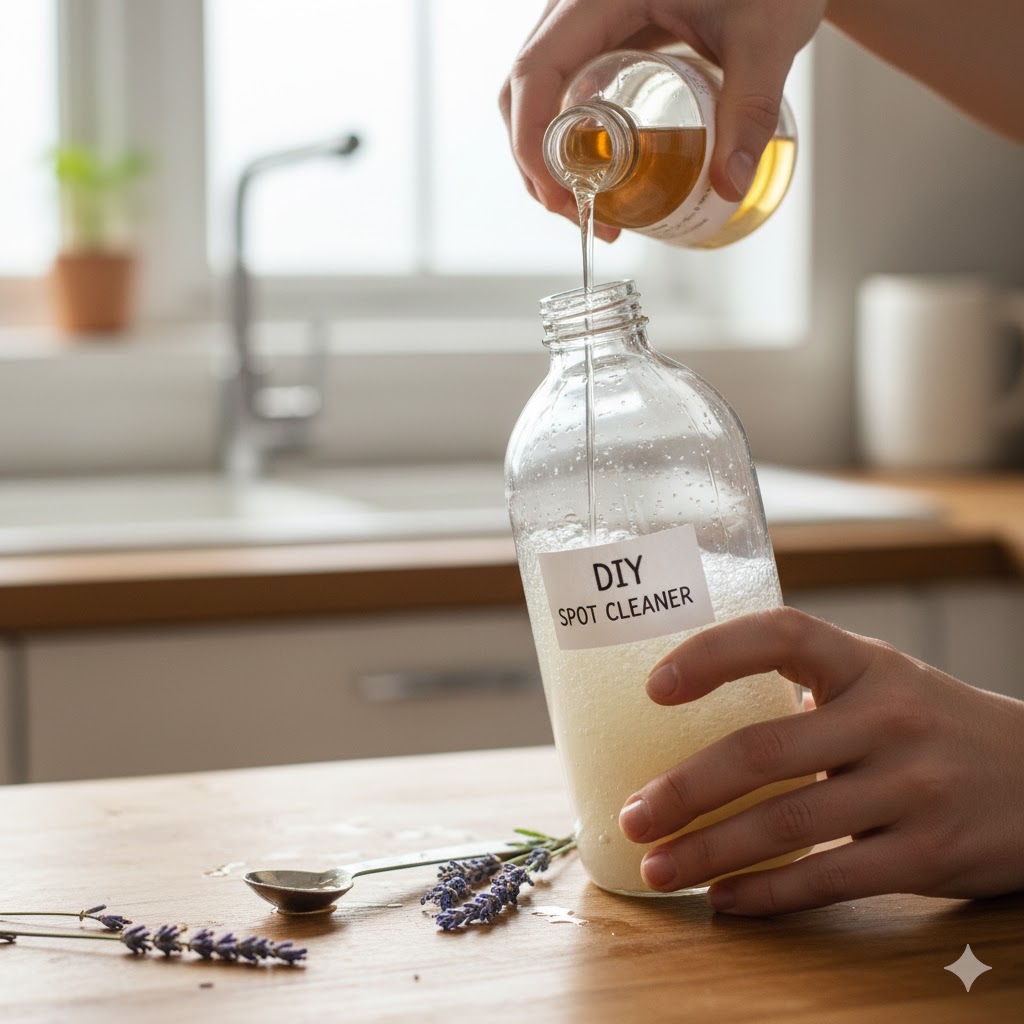
Simple deodorizer spray: 1 cup distilled water + 2 tbsp white vinegar + 5 drops lavender oil. Light mist, air dry.
Baking soda boost: 1 cup baking soda + 8–10 drops essential oil; sprinkle, wait 2 hours, vacuum.
Enzyme pre-soak: 2 tbsp Bac Out in 4 liters water for spot soaking removable covers (then launder).
Troubleshooting Special Problems
Mildew smell after washing: Likely incomplete drying — rewash with oxygen booster and dry in sunlight or high-heat dryer (if fabric allows).
Yellow sweat stains: Pre-treat with oxygen booster slurry, gentle agitation, then wash with eco detergent.
Pet urine on mattress: Blot, apply enzyme cleaner, let sit 30–60 minutes, then sprinkle baking soda; vacuum when dry.
Cost & Value Analysis — Do Eco Products Cost More?
Eco products can be competitively priced; many mainstream brands now offer green lines. Consider lifetime value: reduced allergic reactions, longer textile life, and ecological benefits. A concentrated eco detergent often costs the same per wash as conventional detergent when properly dosed. Investing in boosters and enzymes reduces repeat cleanings—saving time and money.
10–15 FAQs (Each answer 2–3 lines, optimized for featured snippets)
1. Are eco-friendly cleaners effective on mattress stains?
Yes — enzyme-based and oxygen boosters remove organic stains effectively. For deeply set stains, combine pre-treatment with a booster and follow label instructions for best results.
2. Can I use eco detergents on memory foam?
Use very low moisture methods or launder removable covers only. For foam itself, opt for low-moisture cleaners or gentle hand-spotting to avoid saturation and slow drying.
3. What eco certifications should I look for?
EPA Safer Choice, Green Seal, EU Ecolabel, Ecocert, and OEKO-TEX for textiles are strong indicators of environmental and ingredient standards.
4. Do plant-based cleaners leave residue?
Proper dosing and rinsing prevent residue; concentrated eco detergents are formulated to rinse clean when used as directed.
5. Are essential oils safe in bedding cleaners?
They can add pleasant scent, but some essential oils are sensitizers; use sparingly and avoid on baby bedding or for fragrance-sensitive users.
6. How do enzymes work on bedding stains?
Enzymes digest proteins and oils into soluble components that wash away, making them excellent for sweat, urine, and food stains.
7. Is oxygen bleach safe for colored sheets?
Oxygen bleach (sodium percarbonate) is generally color-safe and safer than chlorine bleach, but test a hidden area first.
8. Can eco sprays sanitize the mattress?
Most eco sprays deodorize and reduce microbes superficially; for full sanitization, heat (steam) or UV methods are more reliable.
9. How often should I use an enzyme cleaner?
Spot-treat as needed for stains; routine monthly maintenance with baking soda and washes keeps odors minimal.
10. Are eco cleaners safe for septic tanks?
Many biodegradable eco cleaners are septic-safe, but check product labels for septic compatibility before use.
11. Will eco products remove cigarette smoke smell?
Oxygen boosters and repeated baking soda treatments help, but deep adsorption into fibers may require professional extraction.
12. Can I mix eco products for more power?
Avoid mixing active ingredients (e.g., vinegar + oxygen bleach). Use sequential treatments per product instructions instead.
13. Are ecological products pet-safe?
Most are, especially enzyme and plant-based cleaners, but keep pets away until surfaces are dry and check labels for pet warnings.
14. Do eco cleaners cost more in the long term?
Not necessarily — longer fabric life and fewer repeat cleanings often offset initial price differences.
15. Can I DIY eco cleaners at home?
Yes — vinegar, baking soda, and mild castile soap make effective DIY formulas, but store-bought enzymatic products outperform simple mixes on organic stains.
Conclusion — Cleaner Bedding, Healthier Home, Greener Planet
Choosing eco-friendly cleaning products for bedding and fabric surfaces is a smart blend of self-care and environmental responsibility. The right products clean effectively, preserve delicate fibers, reduce allergy triggers, and protect waterways by avoiding persistent toxins. Whether you opt for a trusted detergent, an enzyme stain remover, or a low-moisture foam for memory foam mattresses, the focus should always be on certified, transparent ingredients, correct dosing, and complete drying.
Start small: replace one conventional product with an eco alternative and monitor performance. With the right routine — weekly washes with an eco detergent, monthly enzyme spot care, and a final plant-based deodorizer — your bedroom becomes both a healthier sleep zone and a more sustainable part of your home.

See More:
- Mattress Steam vs Dry Cleaning – Which Is Better?
- DIY Mattress Deodorizing Hacks Using Baking Soda & Vinegar
Sources:
- SAFER Choice
- Visit OEKO-TEX