






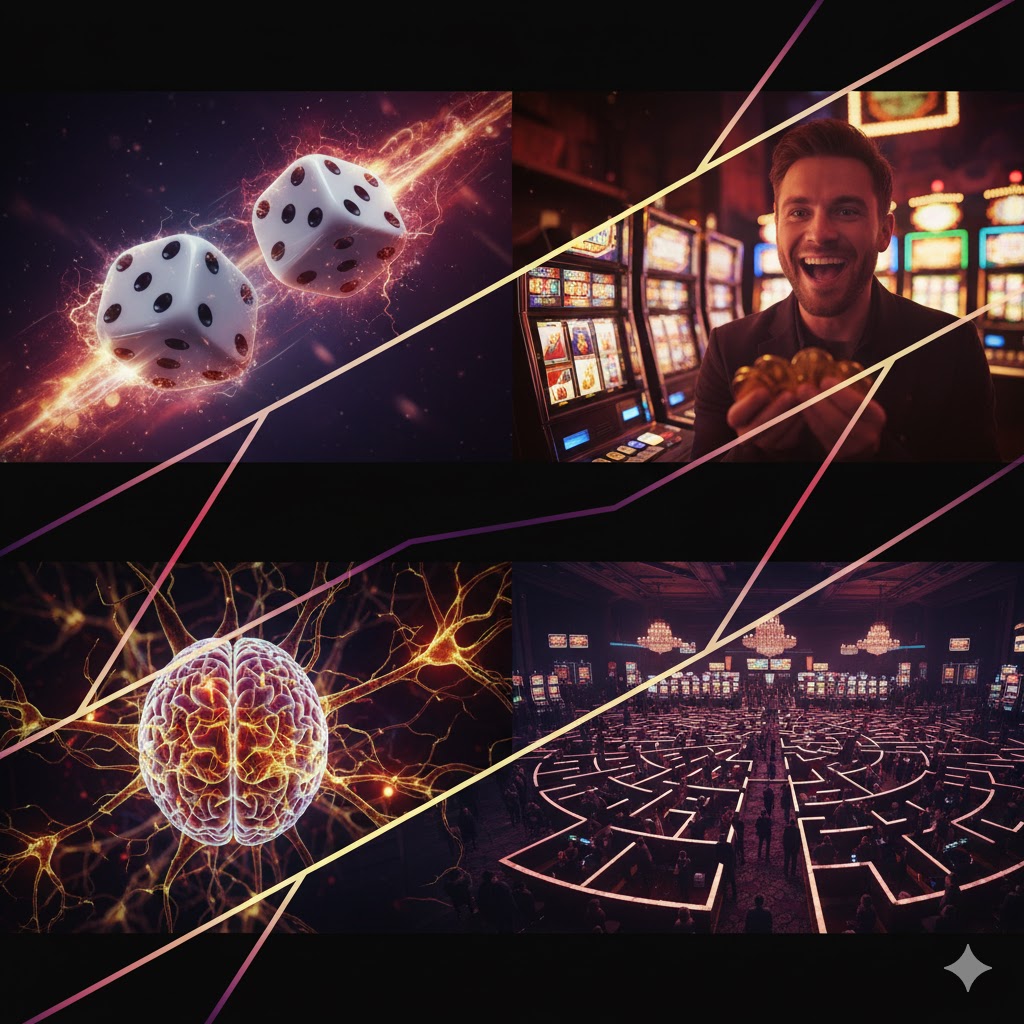
Introduction: The Hidden Mind Game Behind Casino Walls
Casinos aren’t just buildings filled with slot machines and poker tables — they are meticulously engineered environments designed to influence human behavior. Every color, sound, and layout decision is rooted in casino design psychology, a field blending neuroscience, behavioral economics, and architecture to keep players spending more time and money.
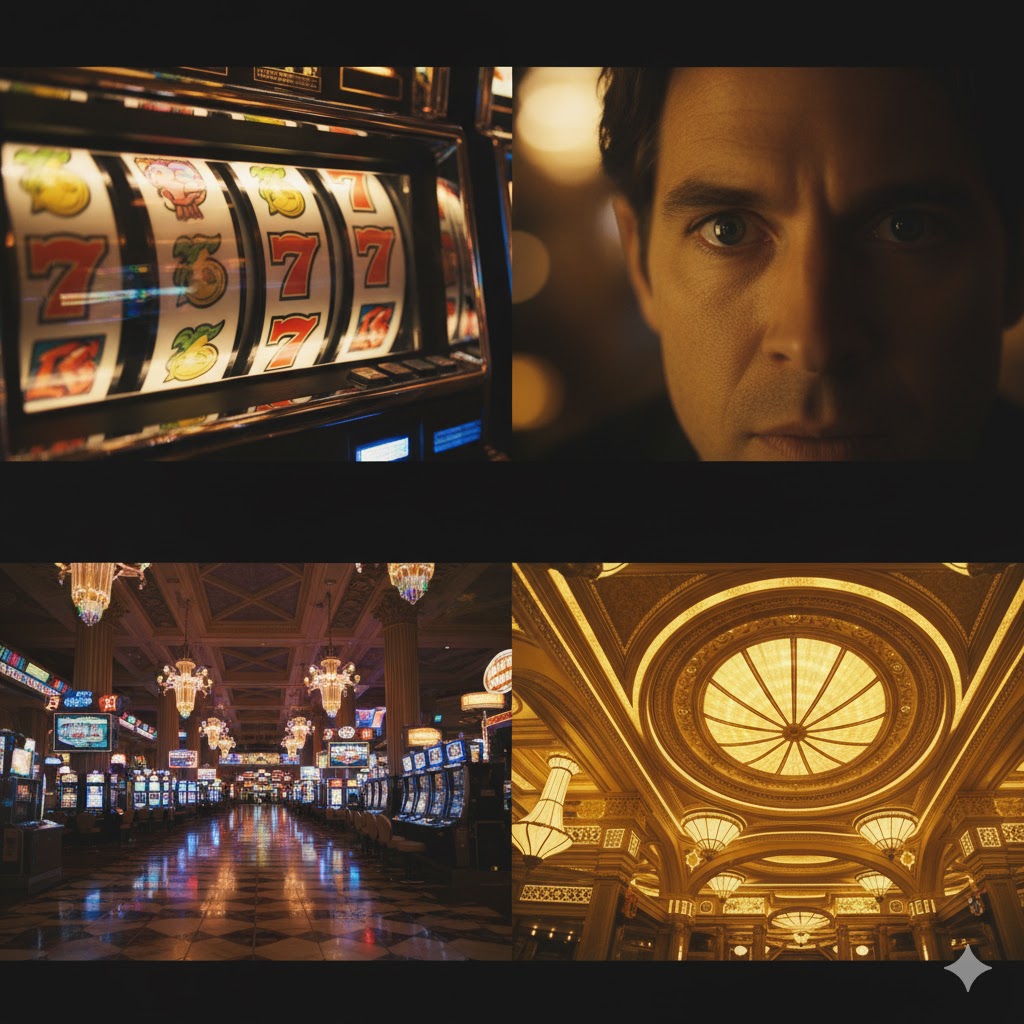
1. The “Time Illusion” – Why You Never Know What Time It Is
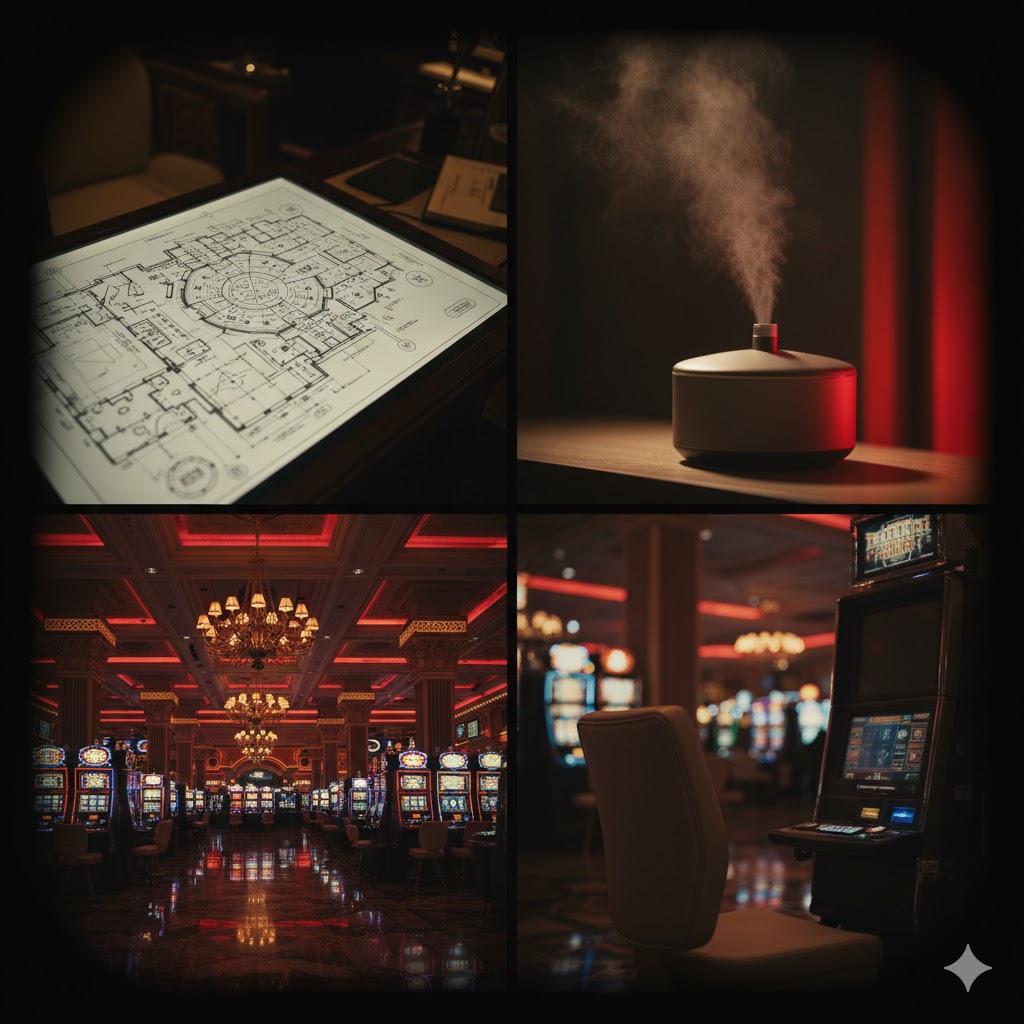
Casinos rarely have clocks or windows. This isn’t accidental — it’s strategic. By removing time cues, players lose track of how long they’ve been inside. Without natural light or visible time markers, your internal clock resets, making sessions feel shorter and excitement last longer.
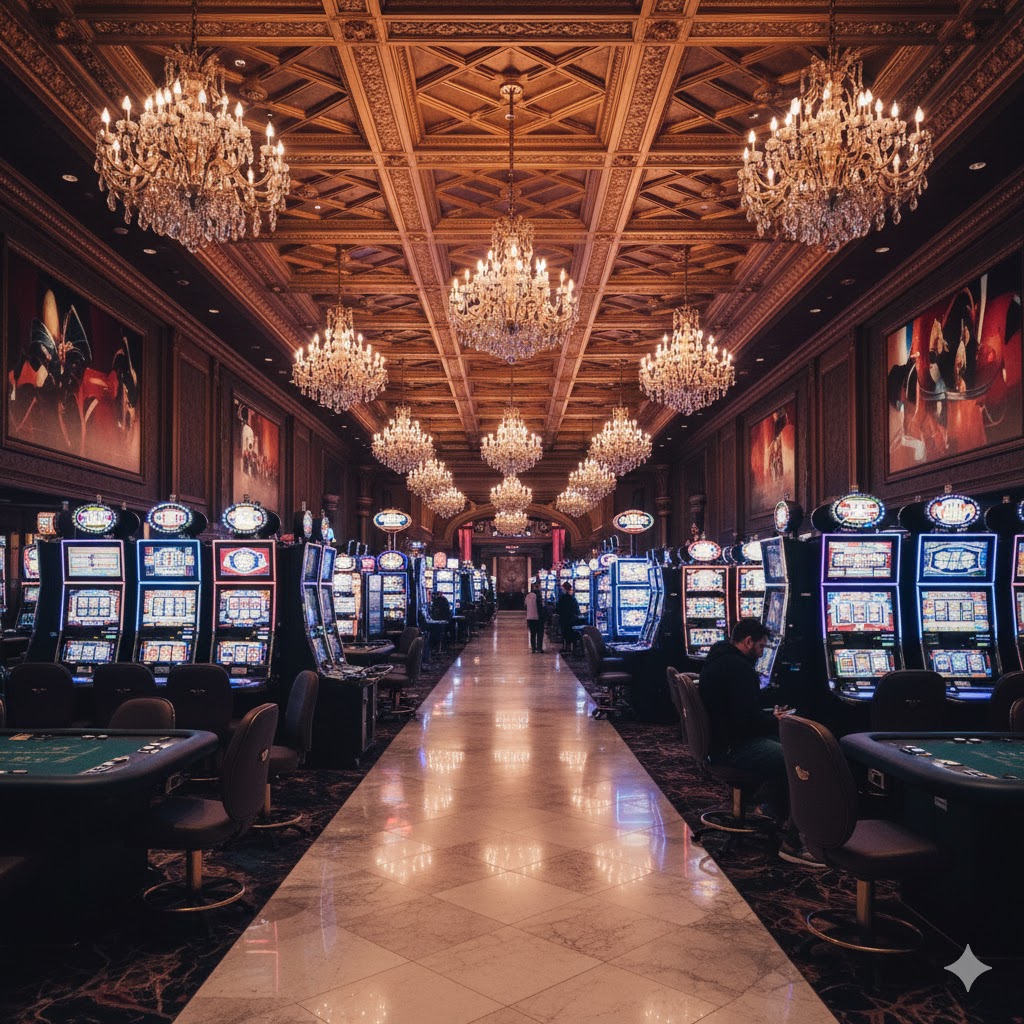
2. Sound Design: The Music of Manipulation
The sounds of slot machines, background jazz, and excited chatter are carefully tuned to stimulate the brain’s reward centers. The constant “ding” of small wins triggers dopamine, tricking you into feeling you’re winning more often than you are — a classic reinforcement psychology tactic.
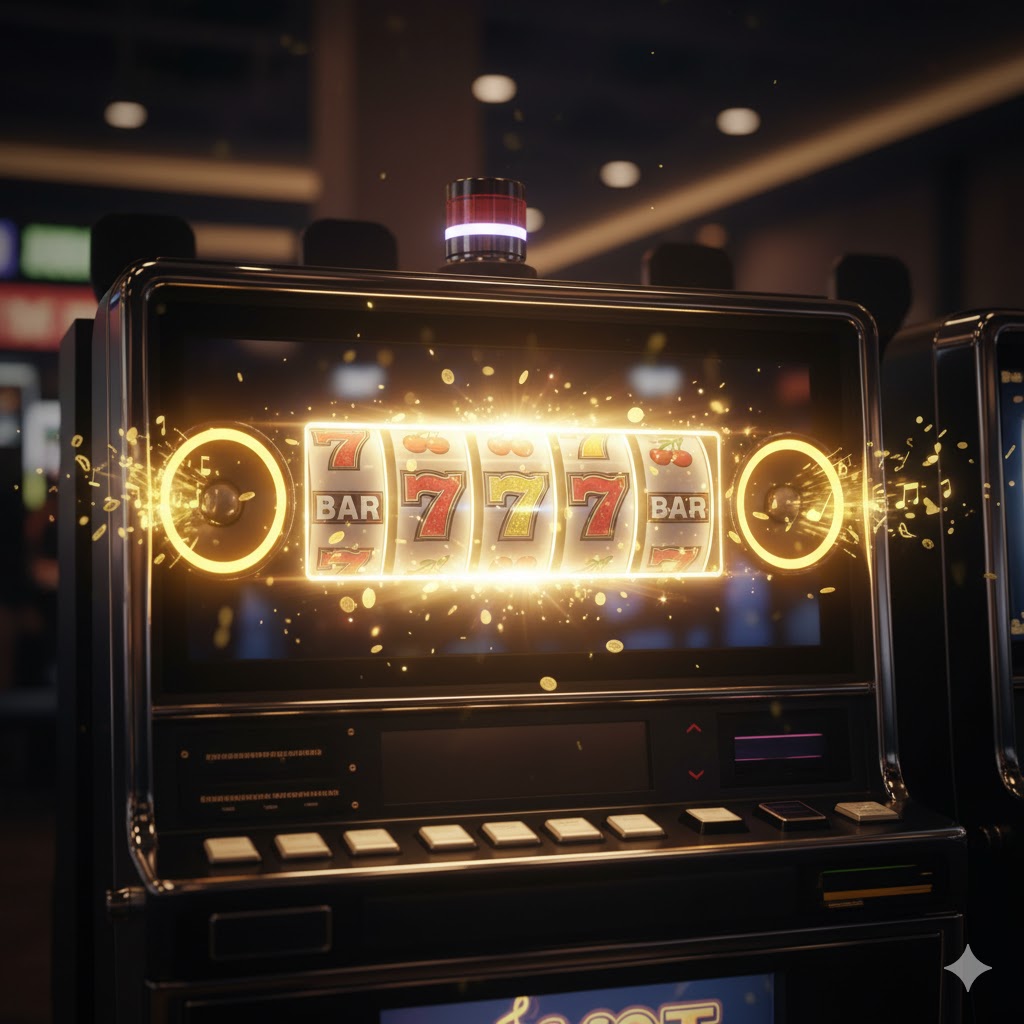
3. Maze-Like Layouts: Designed for Disorientation
Casinos are often designed like mazes to make navigation difficult. The goal is simple: keep players wandering past more machines and tables, increasing impulse plays. The path to exits, restrooms, and food areas is intentionally indirect to maximize “accidental” engagement.

4. Color Psychology: Red, Gold, and the Feeling of Fortune
Warm colors like red, gold, and amber dominate casino spaces because they stimulate energy and optimism. Red increases heart rate and urgency, while gold symbolizes success and luxury — both creating an emotional state primed for risk-taking.
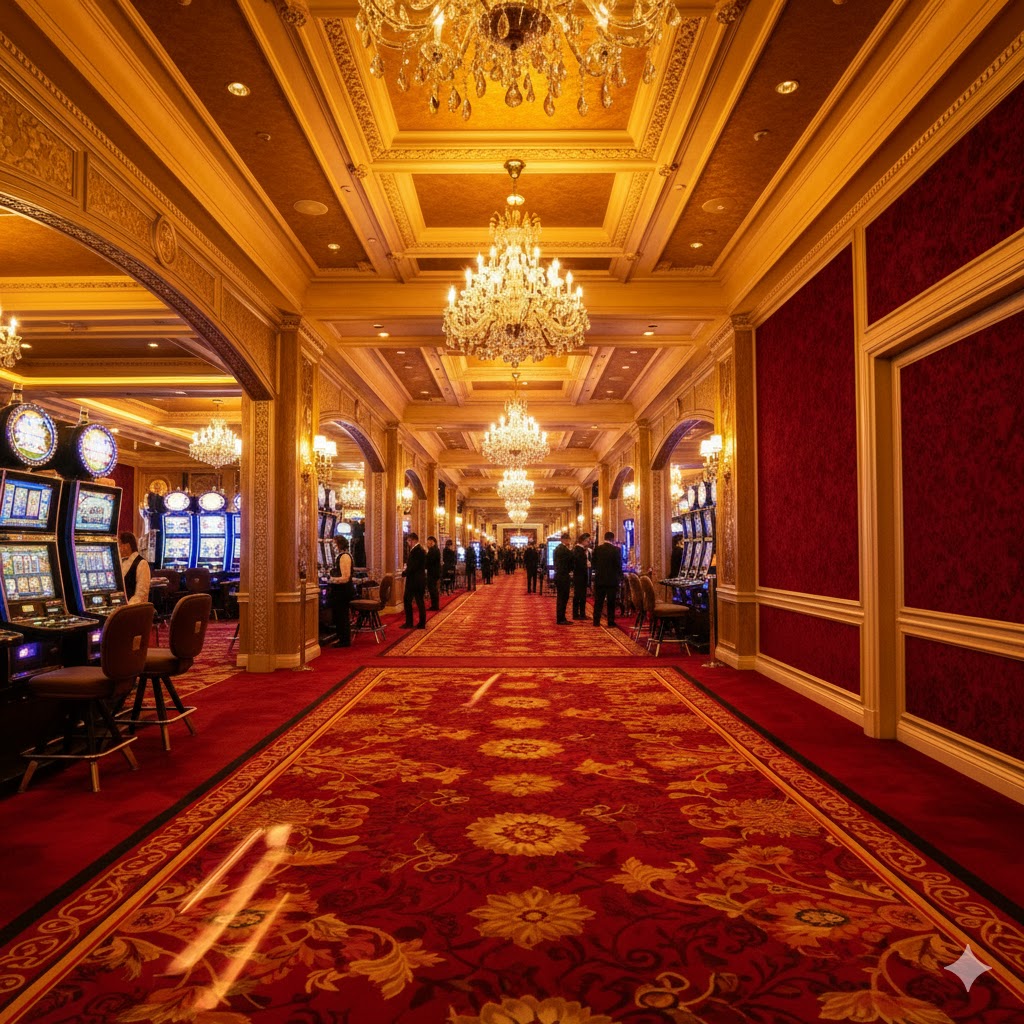
5. Scent Marketing: The Invisible Persuader
High-end casinos diffuse custom fragrances through air vents. These scents evoke relaxation and familiarity, making players feel comfortable and more likely to stay longer. Research shows that pleasant scents can increase gaming revenue by up to 45%.
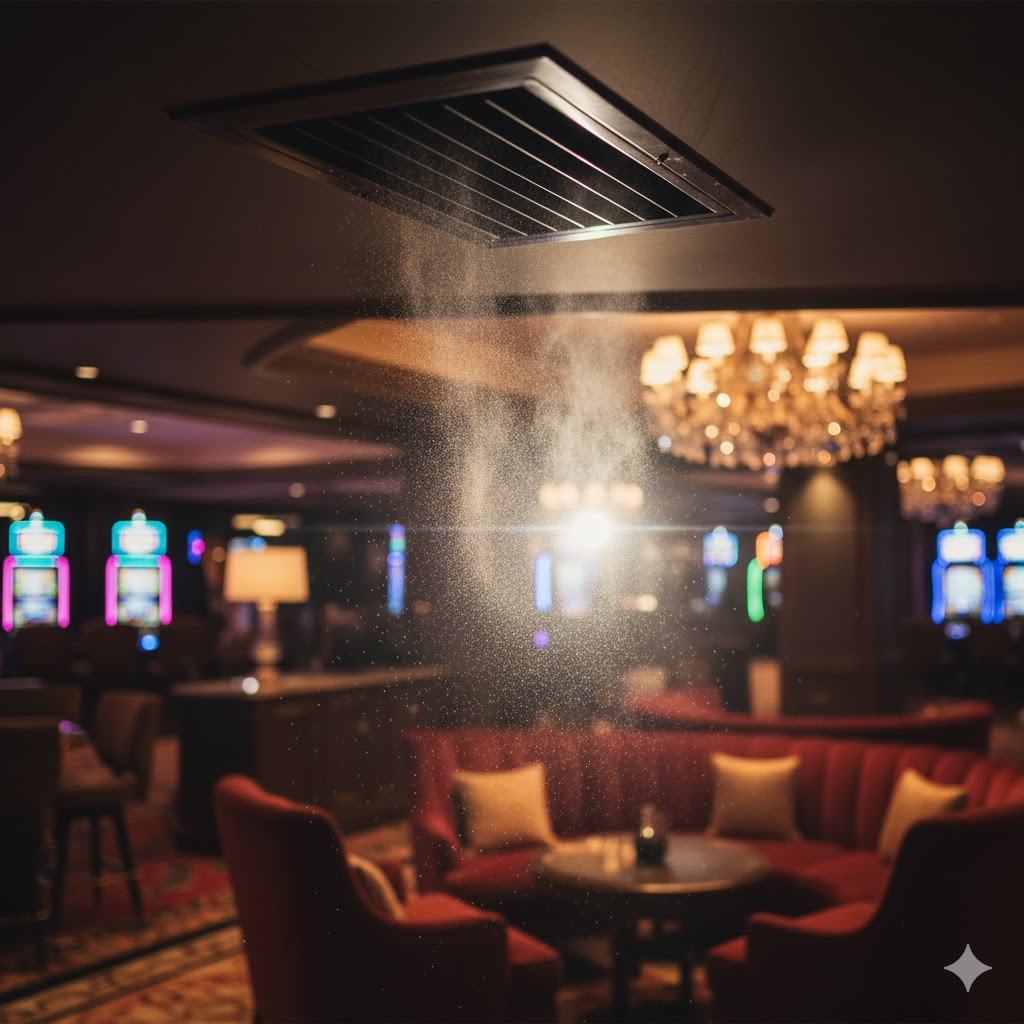
6. The Slot Zone: Hypnotic Light & Pattern Design
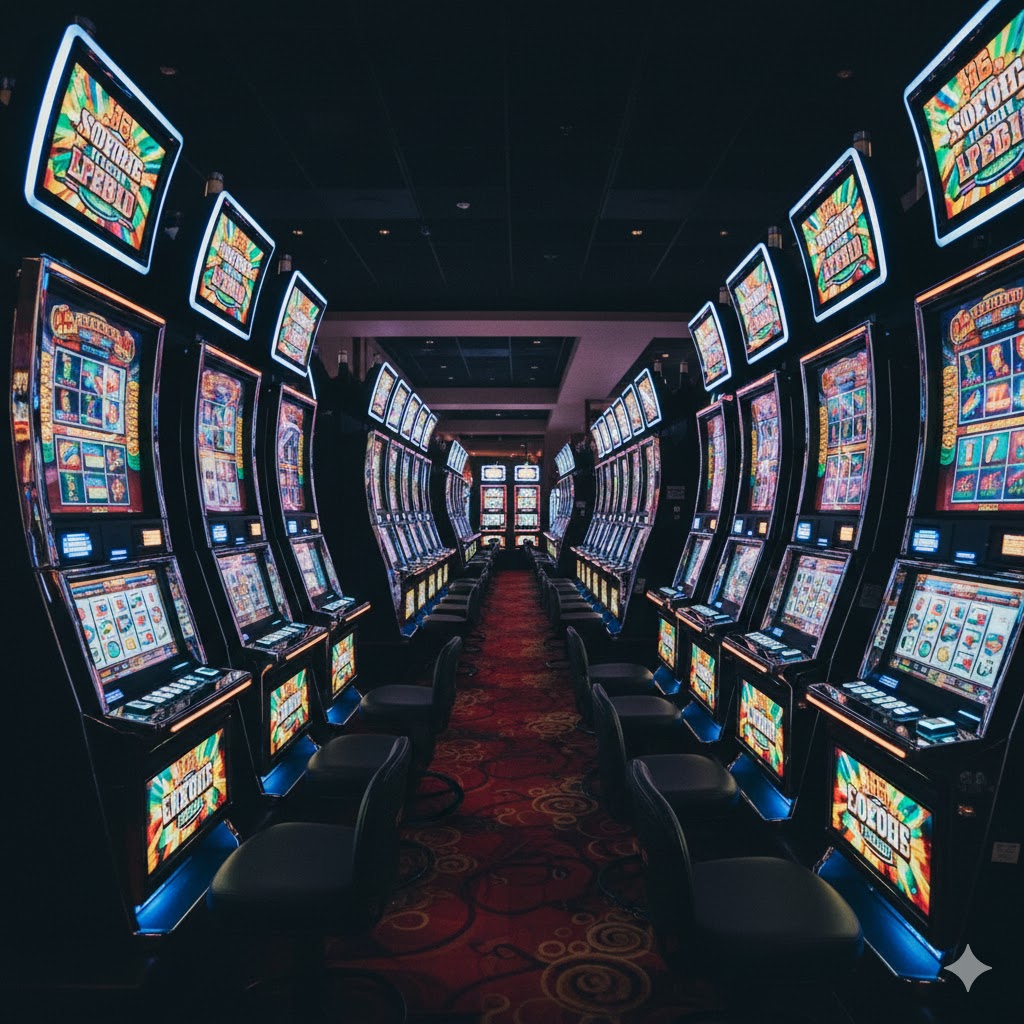
Slot areas use bright lights, fast animations, and narrow aisles to create immersion. The “near-miss” effect (almost winning) is enhanced through flashing symbols and sound cues that mimic real success — tricking the brain into chasing that next spin.
7. Table Placement Strategy: Social Triggers at Play
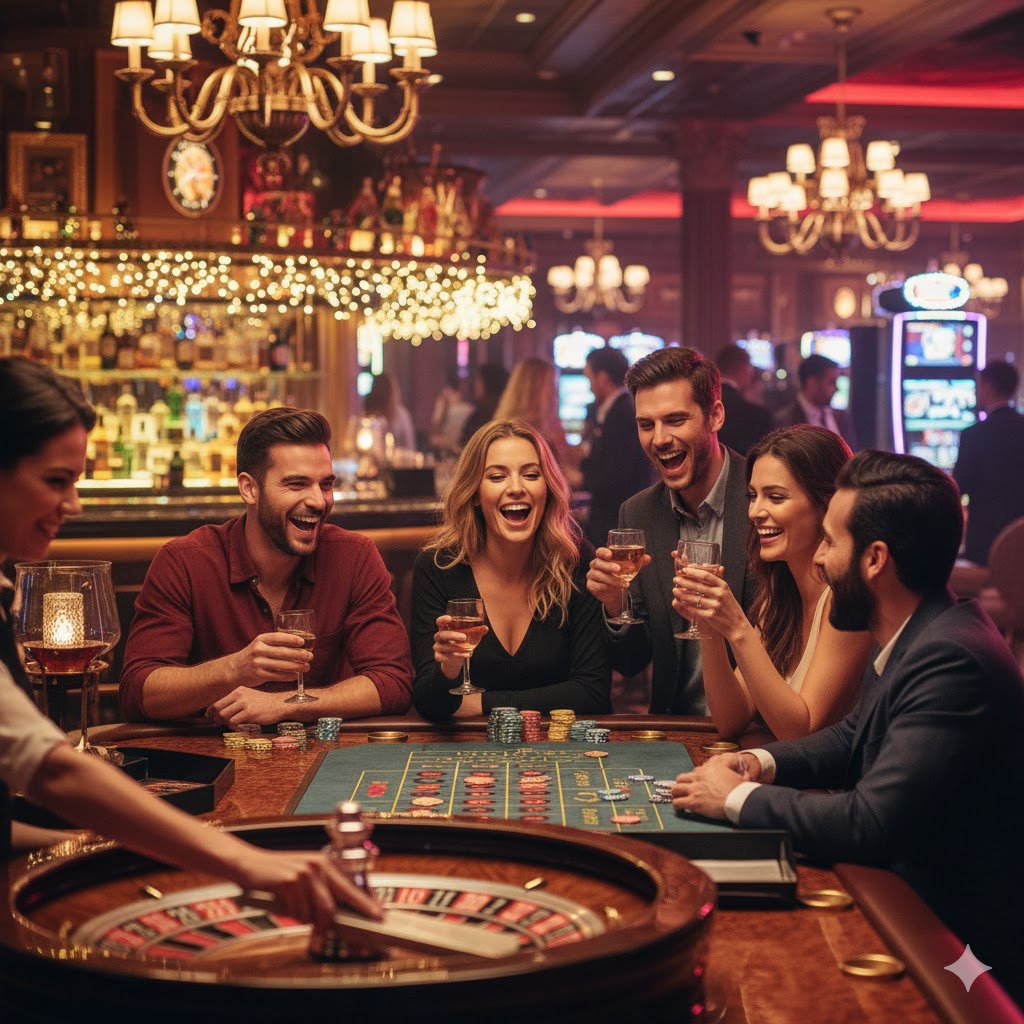
Casinos strategically position tables near entrances or bars where people gather. Seeing others cheer or win creates social proof — a psychological bias that makes you think you can win too. It’s subtle peer influence at its finest.
8. Casino Comfort Engineering: The Perfect Chair Trap
Casino chairs are padded at precise pressure points to keep players sitting for long periods without fatigue. Armrests are often removed to prevent “closure” and encourage continuous play. Even the height of machines aligns perfectly for ergonomic comfort.
9. Reward Loops and Variable Reinforcement
Every casino game relies on the psychology of variable rewards — unpredictable wins that create anticipation. This mirrors the same neurological loop used in social media apps and video games. The uncertainty of reward is more addictive than winning itself.
10. The Exit Strategy: Why Leaving Feels Wrong
Casinos are intentionally designed to make exiting emotionally hard. Pathways to exits pass by enticing “last chance” games, and lighting subtly shifts cooler near doors to reduce comfort. It’s all meant to make you hesitate just long enough to play again.
Ethical Design vs Manipulation: A Fine Line
While some argue casino design is pure exploitation, others see it as entertainment optimization. The psychology behind these layouts demonstrates how design shapes behavior, both positively (for engagement) and negatively (for addiction). The future of casino ethics depends on responsible design choices and player awareness.
Expert Guide: Awareness Is Your Greatest Defense
Understanding casino design psychology helps you see through the illusion. Next time you walk into a casino, notice the lights, sounds, and patterns — each is carefully calculated. Awareness turns you from a passive participant into an informed observer, capable of enjoying the thrill without being manipulated.
Frequently Asked Questions (FAQs)
1. What is Casino Design Psychology?
It’s the study of how casinos use environmental cues like sound, color, and layout to influence player behavior and decision-making.
2. Why don’t casinos have clocks or windows?
To remove time awareness so players lose track of how long they’ve been inside and continue playing.
3. How does lighting affect casino behavior?
Warm lighting increases energy and risk-taking, while bright patterns make games feel more exciting.
4. Do casino scents really impact gambling behavior?
Yes, pleasant scents can subconsciously encourage longer stays and create a relaxing mood.
5. Why are slot machines placed in certain areas?
They’re often near high-traffic zones to maximize exposure and spontaneous play.
6. What is the near-miss effect?
It’s a psychological trick that makes players feel like they “almost won,” encouraging continued play.
7. How does music influence casino players?
Music tempo and pitch can speed up play rates and create emotional highs linked to reward anticipation.
8. Why are casino chairs so comfortable?
They’re ergonomically designed to reduce fatigue and keep players seated longer.
9. Do casinos design layouts to confuse people?
Yes, maze-like layouts make players pass by more games, increasing exposure to temptations.
10. Are all casinos designed the same way?
Most follow similar psychological principles but adapt styles to target demographics or cultural preferences.
11. Can understanding design psychology help avoid gambling addiction?
Absolutely — awareness of manipulation tactics helps build self-control and smarter play habits.
12. Is casino design considered unethical?
It’s debated — ethical design focuses on entertainment, not exploitation. Transparency is key.
13. How do casinos create a sense of excitement?
Through lighting effects, celebration sounds, and visible wins that trigger social motivation.
14. Are online casinos using similar design tricks?
Yes, digital casinos replicate visual and auditory cues that mimic real-world psychological manipulation.
15. What should responsible gamblers focus on?
Setting time limits, recognizing emotional triggers, and understanding that “near wins” are engineered illusions.
References:
7 Shocking Facts: Slot Machine Near-Miss Effect – The Psychology Behind the Tease