





Why a Water Tank Cleaning Service Is Essential
Water tank cleaning service is a critical part of maintaining safe, clean, and hygienic water for homes, offices, hospitals, and commercial facilities. Over time, water tanks—whether overhead, underground, or industrial—accumulate:
- Sludge and sand
- Dirt and debris
- Algae and bacterial growth
- Rust and mineral scaling
- Contaminants affecting taste, smell, and safety
Neglecting regular tank cleaning can lead to foul-smelling water, discoloration, clogged taps, and even waterborne illnesses. Hiring a professional service ensures thorough cleaning, disinfection, and long-term maintenance of your water tank.
What Is a Water Tank Cleaning Service?
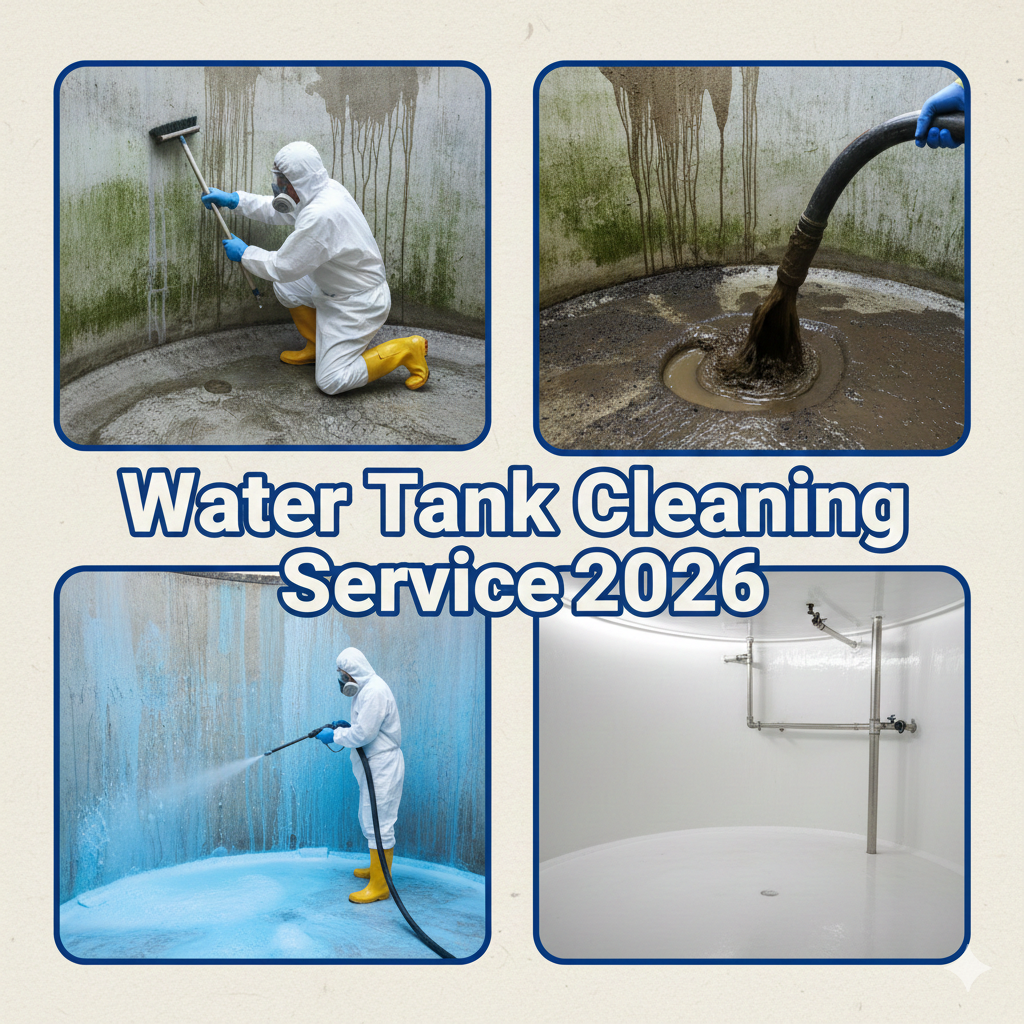
A water tank cleaning service involves:
- Draining old water
- Removing sludge, dirt, and debris
- Scrubbing walls and corners
- Pressure washing or vacuuming
- Disinfecting with safe chemicals
- Final rinsing and refilling
Professional technicians follow global hygiene standards, ensuring that the tank is safe for storing potable water. Both residential and commercial tanks are serviced using modern tools and eco-friendly cleaning solutions.
Benefits of Hiring a Professional Water Tank Cleaning Service
✔ Ensures Safe Drinking Water
Removes bacteria, algae, and harmful contaminants.
✔ Maintains Hygiene
Prevents foul odors, water discoloration, and sediment buildup.
✔ Protects Health
Reduces the risk of waterborne diseases.
✔ Extends Tank Lifespan
Removes corrosive materials and prevents rust or scaling.
✔ Convenience
Professional technicians handle the job quickly and safely.
✔ Compliance
Services meet WHO, EPA, and local water safety standards.
Source:
The Water Tank Cleaning Process (Step-by-Step)
Professional services follow a structured cleaning process:

Step 1: Inspection & Assessment
Technicians examine the tank for leaks, corrosion, sediment levels, and overall condition.
Step 2: Draining the Tank
All water is drained using pumps or taps to expose the tank’s interior.
Step 3: Sludge and Debris Removal
Manual scraping or wet/dry vacuuming removes accumulated sand, sludge, and debris.
Step 4: Brushing & Scrubbing
Long-handled brushes or industrial scrubbers clean walls, corners, and floors.
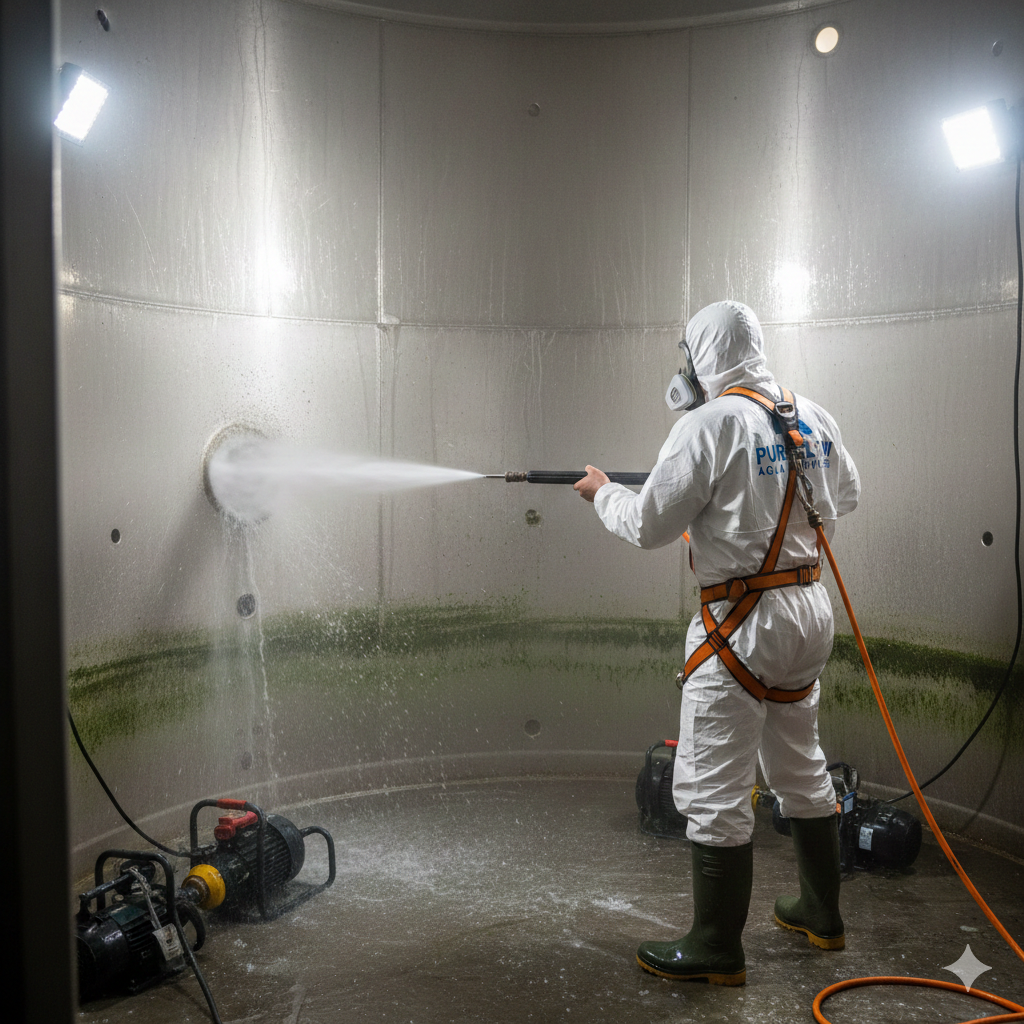
Step 5: Pressure Washing
High-pressure jets remove algae, dirt, and bacterial film.
Step 6: Disinfection
Certified disinfectants or chlorine solutions are applied to kill bacteria and sanitize the tank.
Step 7: Final Rinsing
Multiple rinses remove disinfectants and residues, ensuring water safety.
Step 8: Refill & Final Inspection
Tank is refilled with clean water and inspected for quality assurance.
Chemicals and Tools Used in Professional Tank Cleaning
- Chlorine-based disinfectants
- Eco-friendly sanitizers
- Pressure washers
- Wet/dry vacuum cleaners
- Brushes and long-handled scrubbers
All chemicals are safe, residue-free, and approved by global water safety authorities.
Residential vs Commercial Water Tank Cleaning Services
Residential Tanks
- Typically overhead or underground
- Smaller capacity (500–5000 liters)
- Focus on family health and safe drinking water
Commercial Tanks
- Hotels, offices, hospitals, and industries
- Larger capacity (10,000–50,000+ liters)
- Focus on sanitation, compliance, and bulk water safety
Professional services adjust tools and disinfectants according to tank size and usage.
Also Read: Overhead Water Tank Cleaning Near Me – Trusted Local Services 2026
How to Choose a Water Tank Cleaning Service

- Certified and trained technicians
- Use of eco-friendly and WHO-approved disinfectants
- Modern equipment and pressure washing tools
- Transparent pricing and service guarantees
- Positive customer reviews and local reputation
Searching for “water tank cleaning service near me” helps locate reliable local providers.
Cost of Professional Water Tank Cleaning Service
| Region | Residential Tanks | Commercial Tanks |
|---|---|---|
| USA | $100–$500 | $500–$3,000 |
| UK | £80–£400 | £300–£2,500 |
| UAE | AED 150–500 | AED 500–2,000 |
| India | ₹500–₹3,000 | ₹3,000–₹15,000 |
| Pakistan | PKR 1,000–5,000 | PKR 5,000–30,000 |
Cost varies with tank size, location, contamination level, and service provider.
DIY Tank Cleaning vs Professional Service
| Feature | DIY Cleaning | Professional Service |
|---|---|---|
| Tools | Basic household tools | Industrial-grade equipment |
| Safety | Moderate | High |
| Disinfection | Limited | Advanced & certified |
| Time | Longer | Faster & thorough |
| Longevity | Moderate | Excellent |
DIY works for small tanks, but professionals ensure complete hygiene and compliance.
FAQs
1. How often should a water tank be cleaned?
Every 6 months for residential tanks; 3–4 months for commercial tanks.
2. Can I clean my tank myself?
Yes, but professional services provide complete sanitation and safety.
3. Are chemicals used safe for drinking water?
Yes, all disinfectants are certified and residue-free.
4. How long does professional tank cleaning take?
Typically 1–3 hours depending on tank size and contamination.
5. Do professionals clean all types of tanks?
Yes—overhead, underground, plastic, concrete, and steel tanks.
Final Thoughts

A professional water tank cleaning service ensures your water remains clean, safe, and hygienic. Certified technicians, modern tools, and safe disinfectants remove sludge, algae, and bacterial growth efficiently. Whether for a residential home or a large commercial facility, investing in a professional tank cleaning service safeguards your health, improves water quality, and prolongs tank lifespan.