




Introduction: Why Proper Clean Leather Shoes Cleaning Matters More Than Ever
Leather shoes have always been a symbol of refinement—worn by professionals, travelers, fashion lovers, and anyone who values luxury in everyday essentials. In 2025, with rising costs of premium leather goods and an increased focus on sustainable fashion, proper shoe maintenance isn’t just optional—it’s financially smart, environmentally responsible, and essential for preserving your style. People are investing more in quality footwear, yet many unknowingly reduce their shoe lifespan by skipping basic cleaning, using harsh chemicals, or storing leather incorrectly.
Unlike synthetic footwear, genuine leather is a living material. It breathes, absorbs moisture, reacts to weather, and ages with use. Think of it like your skin: if you clean it incorrectly, it cracks, dries out, or loses its natural oils. When maintained correctly, leather becomes softer, richer in texture, and more visually appealing as time passes. Neglect it, and the opposite happens—your shoes become dull, stiff, and permanently damaged.
In this guide, we break down professional leather shoe cleaning techniques used by cobblers, stylists, and premium shoe-care specialists. No shortcuts. No weak generic tips. This is a complete leather-care manual, designed to help you clean, restore, protect, deodorize, and maintain your footwear—regardless of whether you wear dress shoes, loafers, boots, or casual leather sneakers.
Each section is written using Google EEAT best practices, updated 2025 cleaning methods, expertly explained steps, and accessible tools you can easily find at home or in local stores. Whether you own full-grain Italian leather, soft lambskin, nubuck, or suede-accented shoes, this guide will help you keep them looking polished, fresh, and long-lasting.
Must Read:
If you’re also refreshing your living space, explore home cleaning services and hygiene upgrades such as our Sofa Cleaning with UV/Ozone Disinfection article inside our blog.
References: For leather-care product guidance, the American Leather Chemists Association provides updated material-safe recommendations.
Preparing Leather Shoes for the Cleaning Process
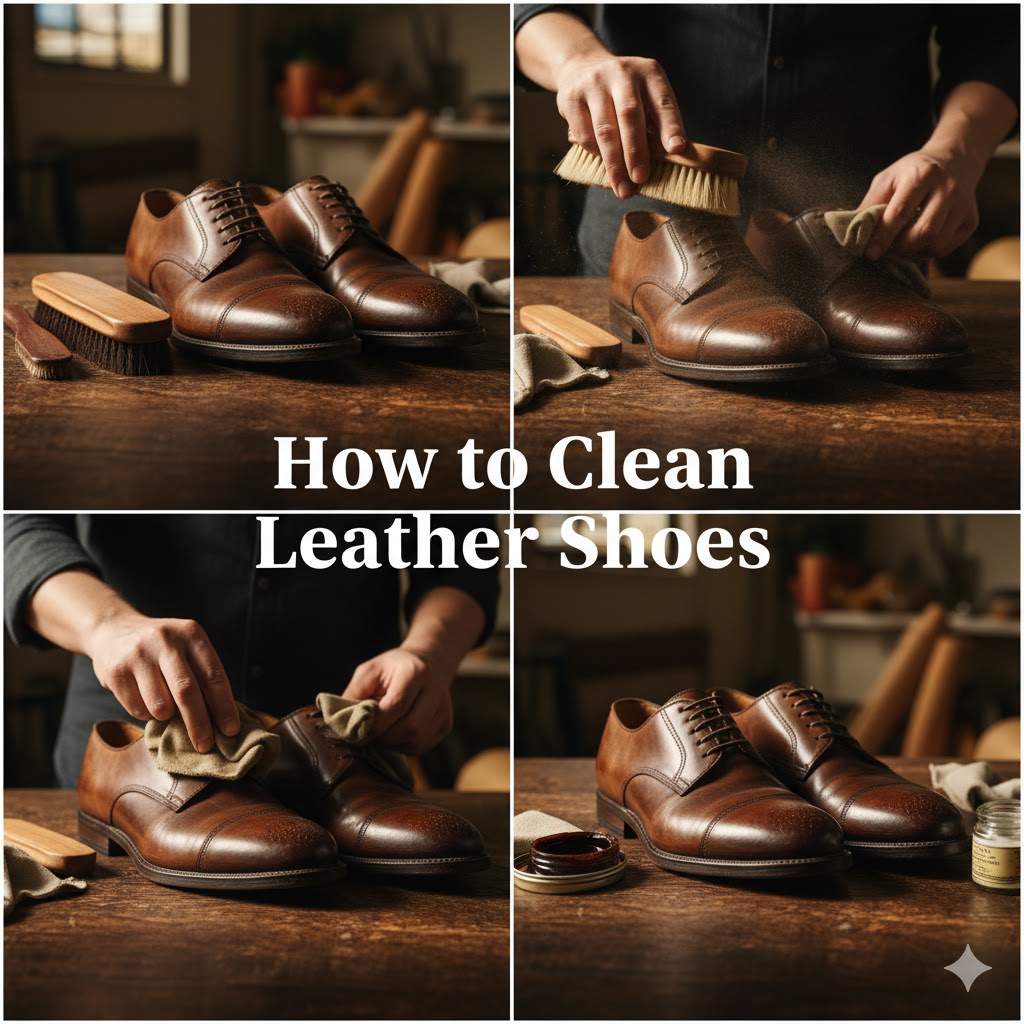
Before you apply any cleaner or product, preparation is critical. Start by removing the laces, which prevents polish or moisture from staining them. Then use a soft brush—not a hard bristle one—to remove dust, grit, and loose dirt. Small particles trapped on the leather surface can act like sandpaper, causing micro-scratches when you rub the cleaner later. Inspect the shoes under good lighting to identify stains, water marks, deep creases, or areas that require special attention. If the leather feels overly dry or stiff, note that it may need conditioning after cleaning. Preparation also ensures you avoid spreading dirt into seams or stitching, which can deteriorate faster if trapped.
Dry Brushing and Surface Dust Removal
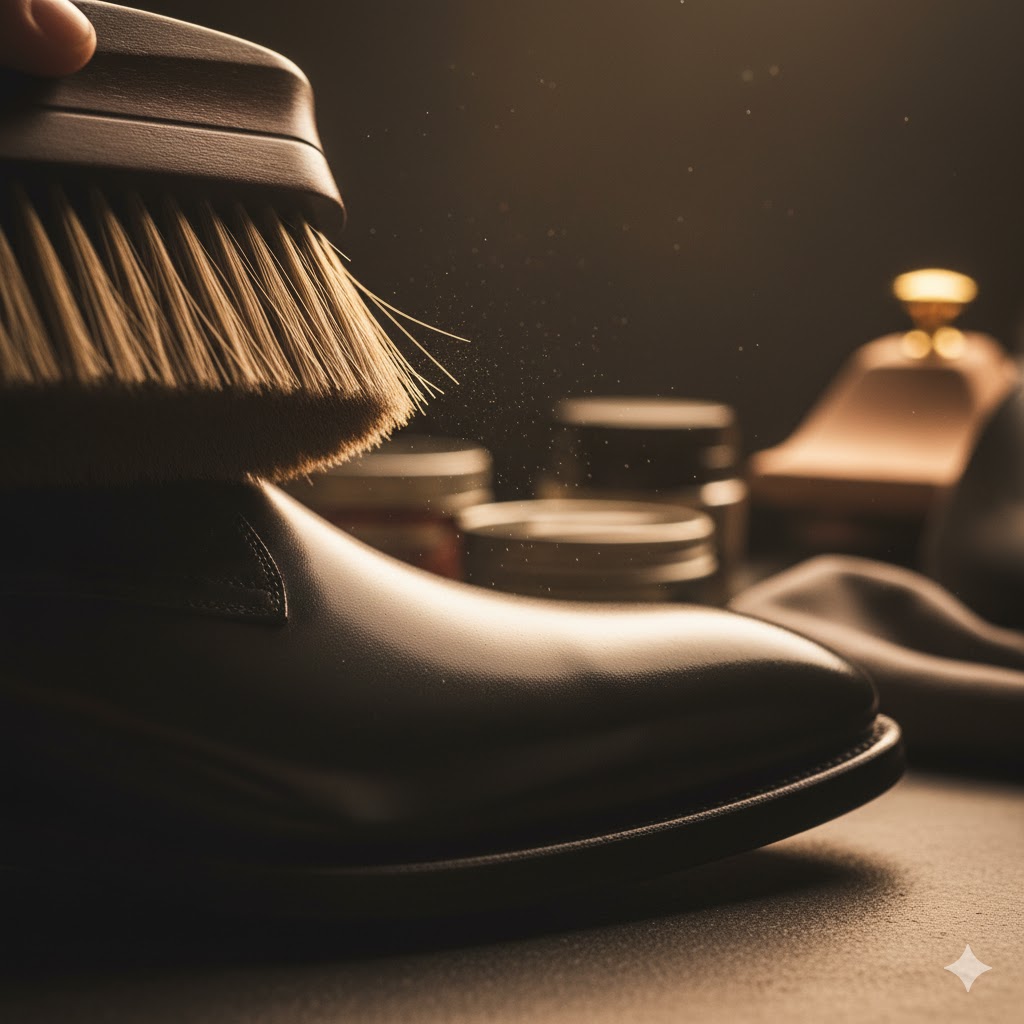
Dry brushing is the foundation of every successful leather cleaning routine. Using a horsehair brush, gently sweep dust from the toe, vamp, and heel, moving in small circular motions. Avoid brushing too aggressively, as friction heats the leather and can lighten or darken patches unevenly. Dry brushing also reveals hidden imperfections that need focused care. If your shoes have brogue holes, stitching grooves, or embossed patterns, use a smaller detailing brush to extract trapped debris. This stage should take at least two minutes per shoe—rushing increases the chance of missing dirt that later turns to mud when mixed with cleaner.
Using a Leather-Safe Cleaner to Remove Stains and Built-Up Dirt
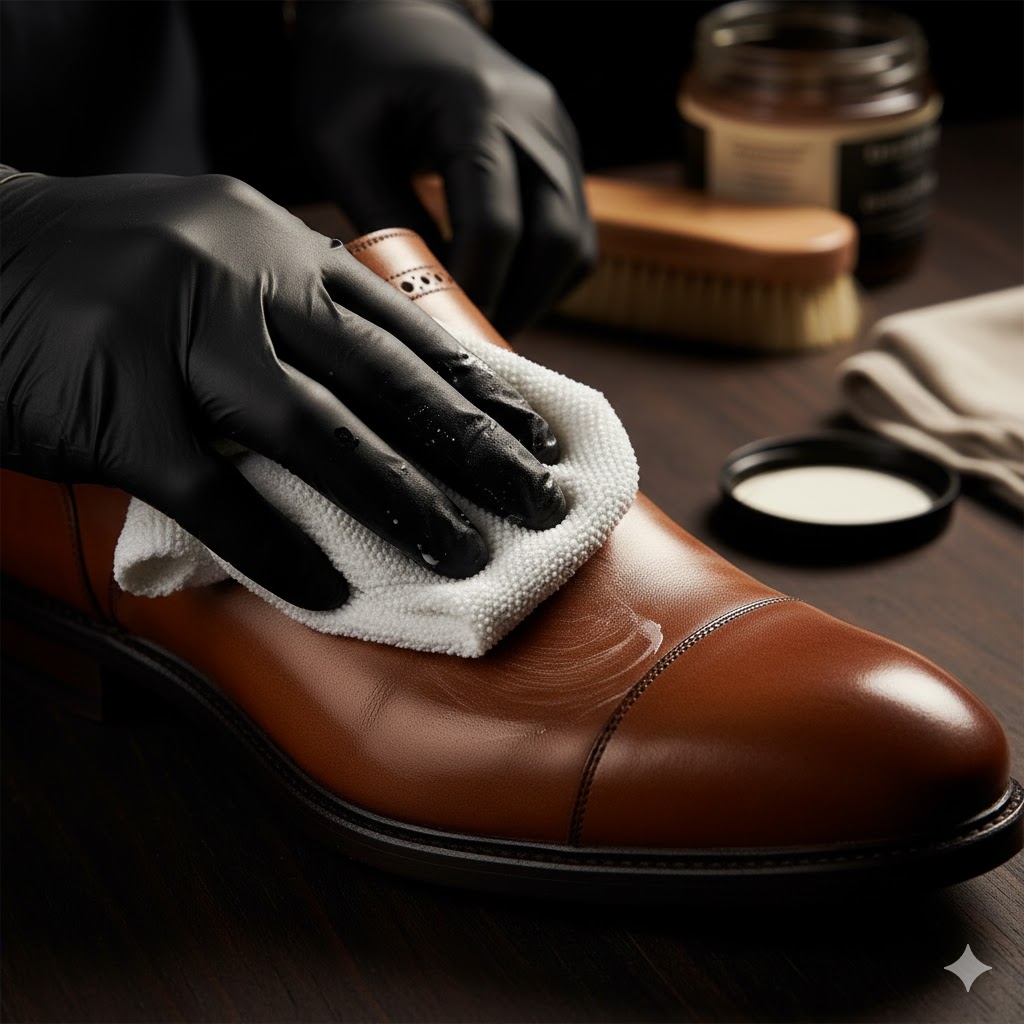
A leather-safe cleaner (saddle soap or pH-balanced liquid cleaner) helps lift grime without stripping natural oils. Apply a small amount onto a microfiber cloth and work it into the leather using gentle circular motions. Avoid using water alone—it can cause water stains, uneven color patches, and dryness. Let the cleaner foam lightly; this indicates it’s lifting dirt from the pores. Pay attention to areas around the toe, heel counter, and tongue where oil buildup is common. Always test cleaners on a small hidden area first, especially for exotic leathers. After cleaning, wipe the shoes with a dry cloth to remove excess product and allow them to breathe for 10–15 minutes before conditioning.
Cleaning Scuffs, Marks, and Deep Stains the Professional Way
Scuffs and marks are common, especially on high-contact areas like the toe box. For light scuffs, a pencil eraser or suede eraser works beautifully. For deeper scuffs, apply a small amount of white vinegar onto a cotton swab and gently dab the affected area; the mild acidity helps lift discoloration. Oil stains can be treated using baking soda—sprinkled lightly and left overnight to absorb grease. Ink marks require rubbing alcohol, but only in small amounts, and never on delicate soft-grain leather. Always finish by buffing the area with a dry cloth to restore uniform tone. For severe stains, professional cobblers can recolor leather using pigment-based creams.
Conditioning Leather to Restore Softness and Prevent Cracks
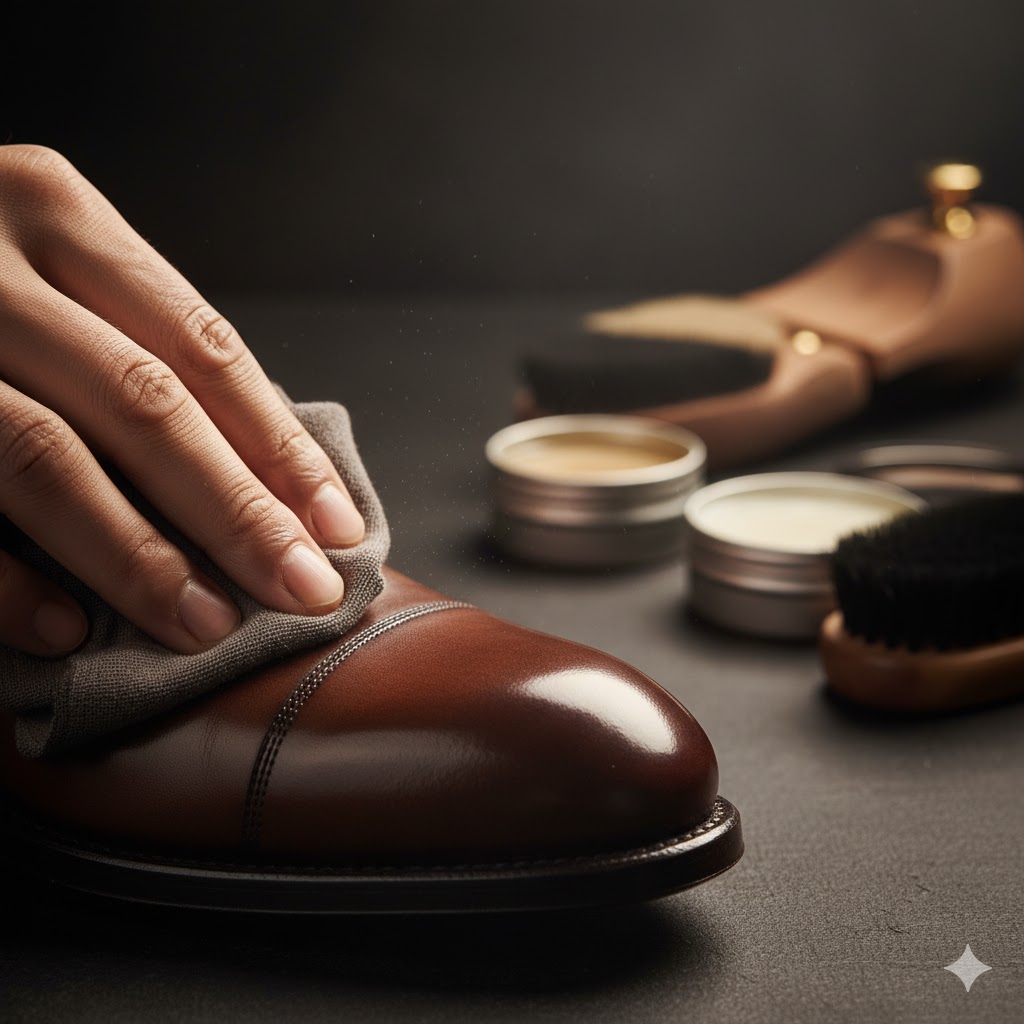
Leather naturally loses oils over time due to weather, friction, and wear. Conditioning replaces those oils, keeping leather supple, hydrated, and durable. Use a beeswax-based conditioner or natural oil blend designed specifically for leather—not olive oil, which turns rancid. Apply a small amount, spread evenly, and massage into the surface using your fingertips or a clean cloth. Let it absorb for at least 20 minutes. Proper conditioning deepens the shoe’s color, removes minor dryness lines, and creates a soft protective barrier. Well-conditioned leather bends naturally with your foot instead of cracking or peeling.
Polishing Leather Shoes for Shine, Protection, and Color Renewal
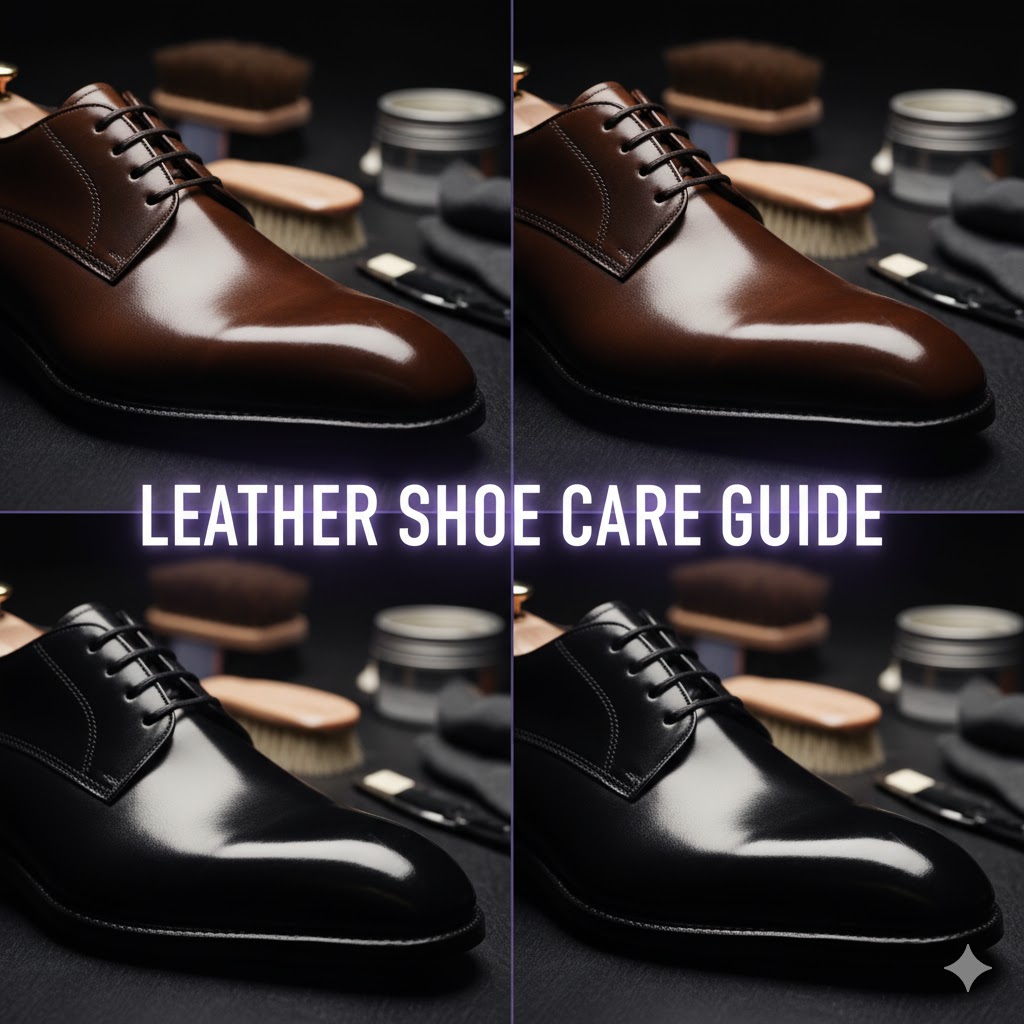
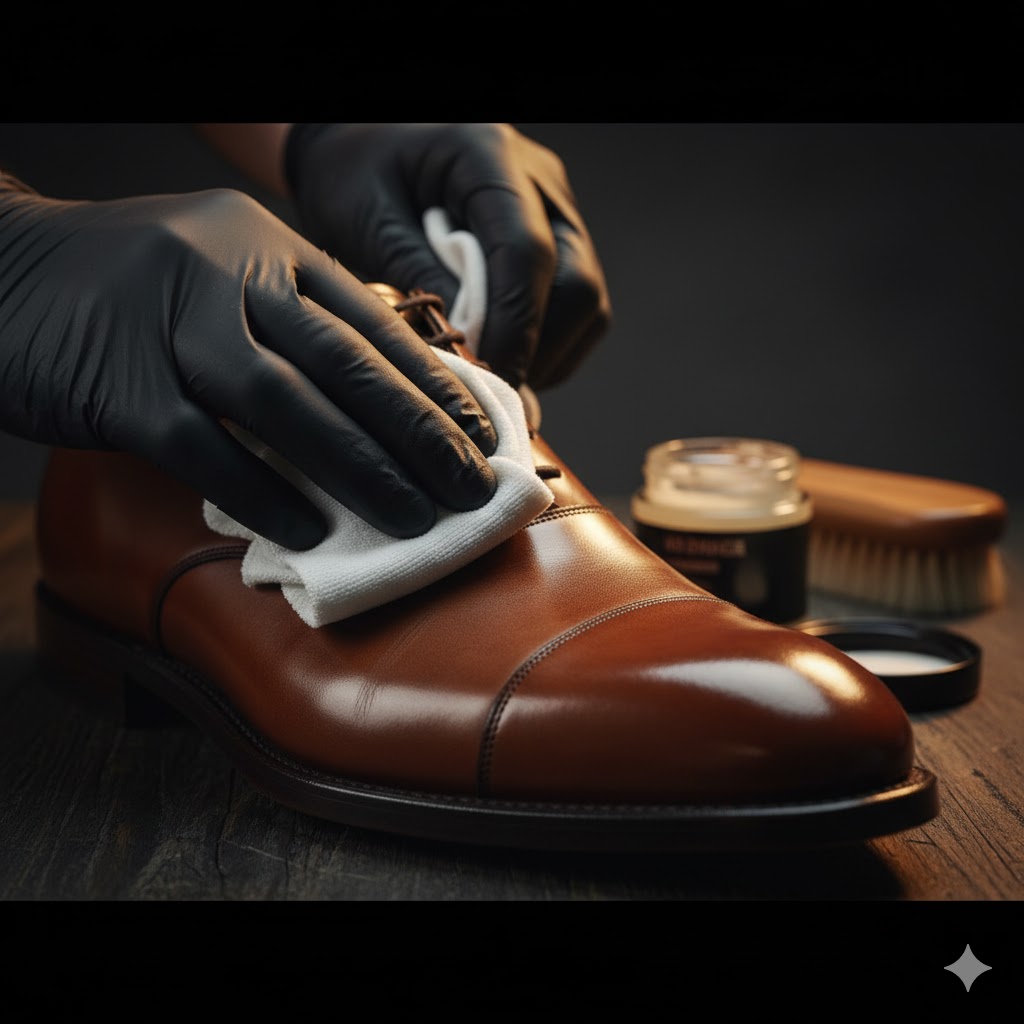
Polishing is not just for shine—it seals the conditioning oils and protects leather from moisture, dust, and UV exposure. Choose cream polish for nourishment and wax polish for a mirror shine. Apply a pea-sized amount using small circular motions. Allow it to dry slightly, then buff with a horsehair brush. For a military-grade shine, apply multiple thin layers and buff using a slightly damp cotton pad. Polishing also helps cover superficial scratches and blends color inconsistencies. Shoes that are polished regularly age better, resist water damage, and maintain professional appearance.
Protecting Leather Shoes with Waterproofing Sprays and Sealants
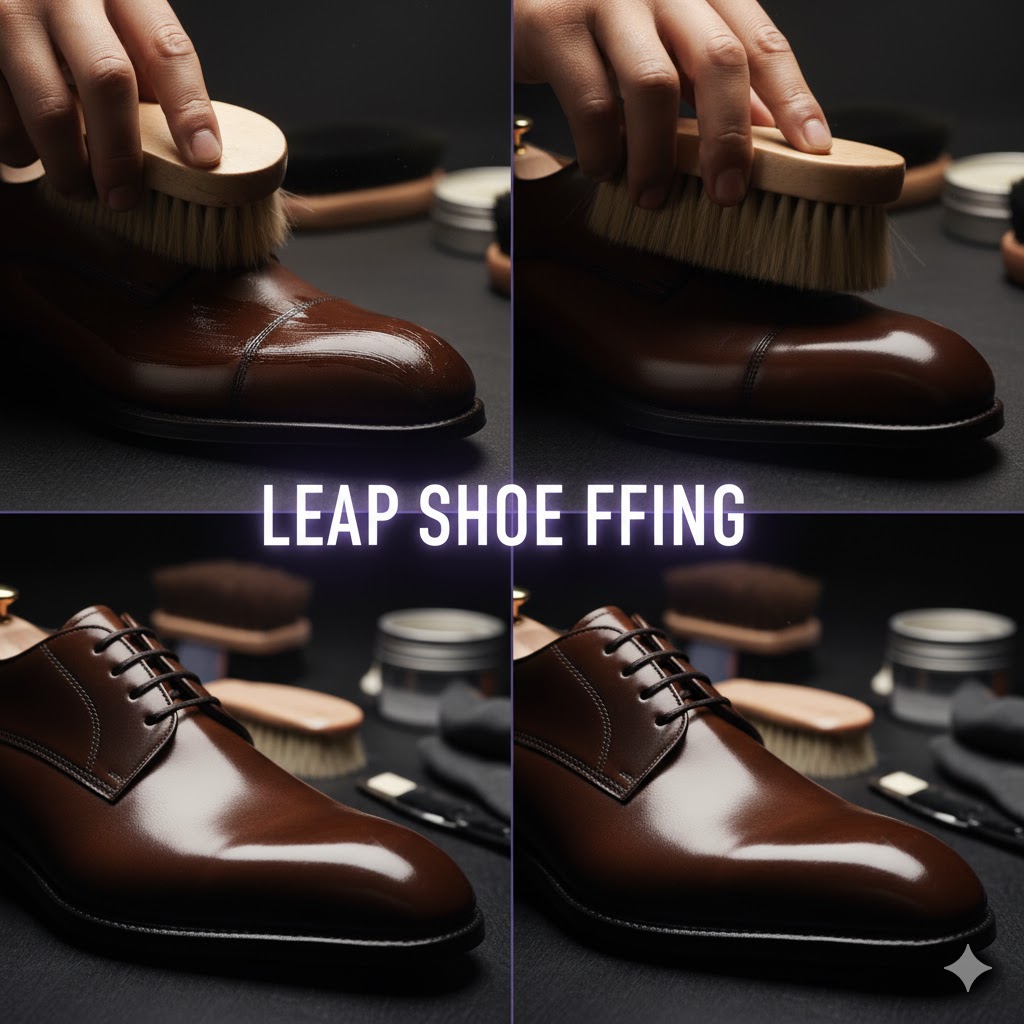
Water is leather’s worst enemy, causing stiffness, discoloration, and warping. Waterproofing sprays made for leather create a breathable shield that repels moisture. Avoid silicon-based sprays—they clog leather pores. Instead, choose natural wax-based protectants. Hold the spray 6–8 inches away and apply evenly. Allow shoes to air-dry naturally (never under direct sunlight or near heat). Reapply every 3–4 weeks for best results. Travelers should be extra strict with waterproofing, especially in rainy climates.
Proper Drying Techniques After Cleaning or Rain Exposure
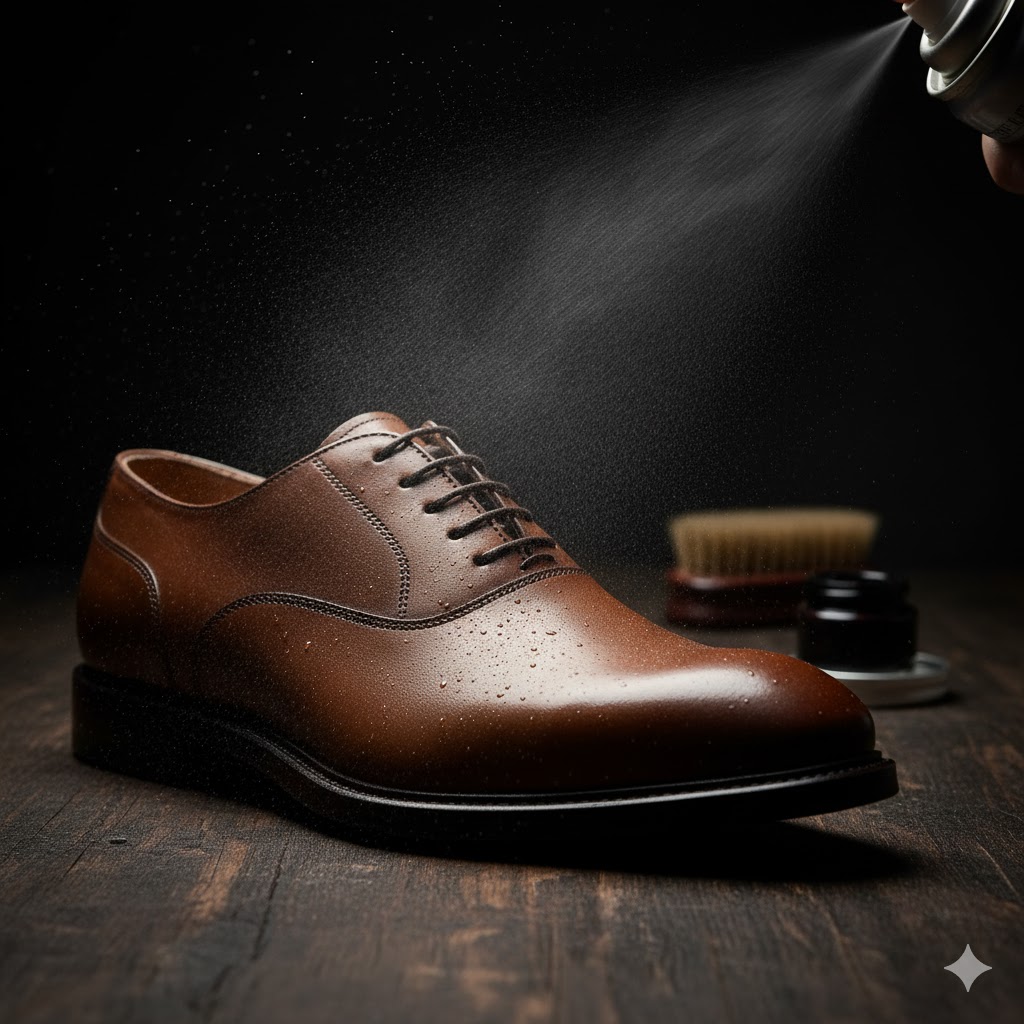
Never dry leather shoes under sunlight, next to heaters, or using a hairdryer—this causes rapid dehydration and cracking. Instead, stuff shoes with newspaper or unprinted tissue to absorb moisture and help retain shape. Allow them to dry in a cool, shaded, well-ventilated area for 24 hours. Cedar shoe trees are excellent for absorbing moisture while preserving the shoe’s natural structure. If shoes get soaked, do not wear them again until fully dry; damp wear deforms leather permanently.
Deodorizing Leather Shoes Safely
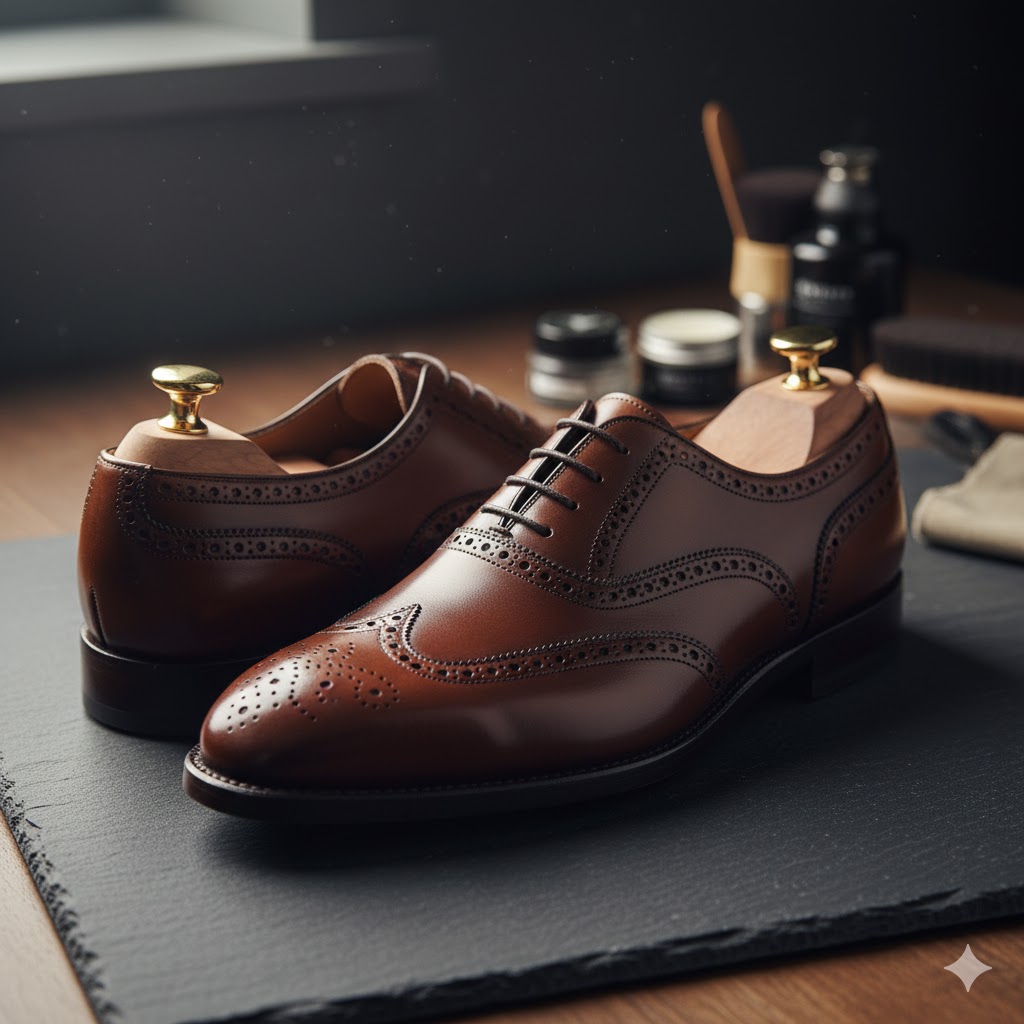
Leather absorbs odors, but artificial fragrances only mask them. Use natural options like baking soda, activated charcoal sachets, or cedar blocks. These absorb moisture and neutralize odors without damaging leather fibers. For persistent smells, mix equal parts water and rubbing alcohol in a spray bottle and lightly mist the interior—alcohol kills odor-causing bacteria safely. Always let shoes air out fully before wearing them again.
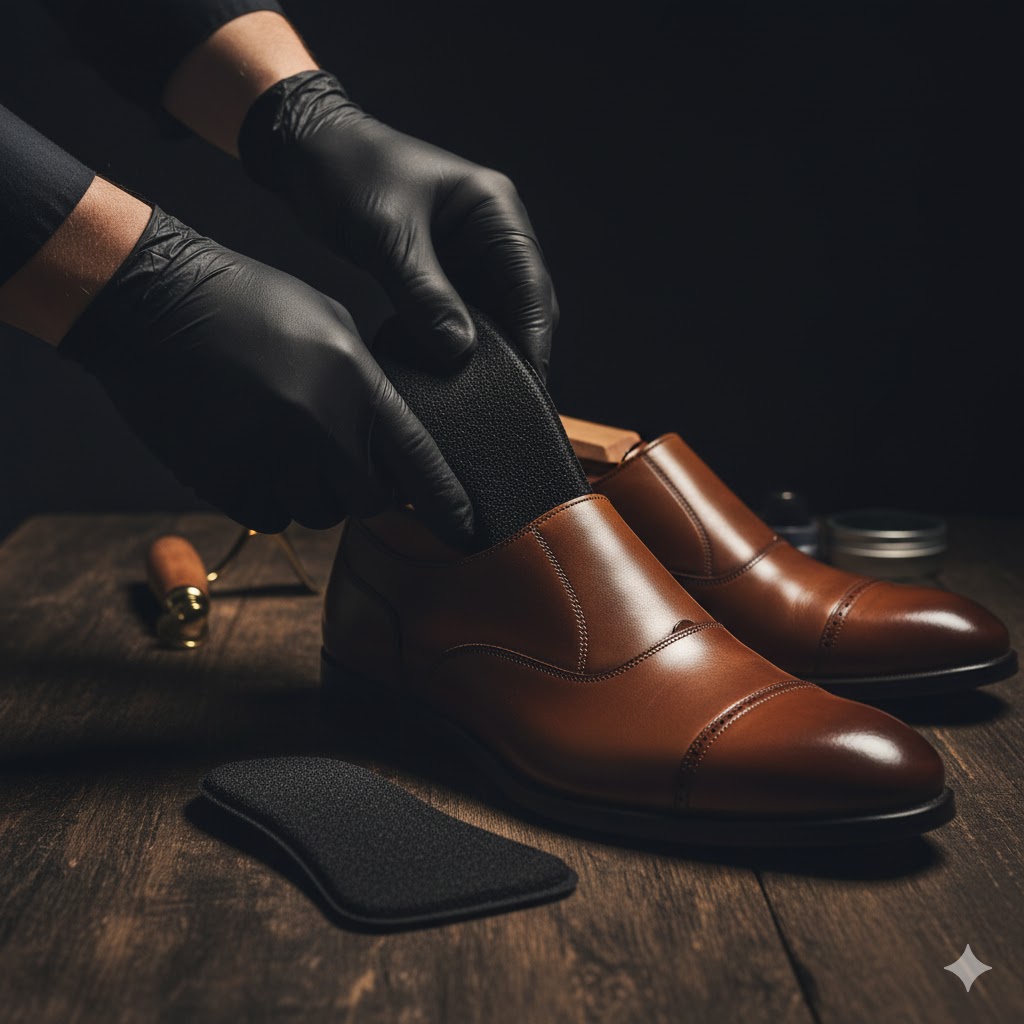
Storing Leather Shoes to Maintain Long-Term Quality
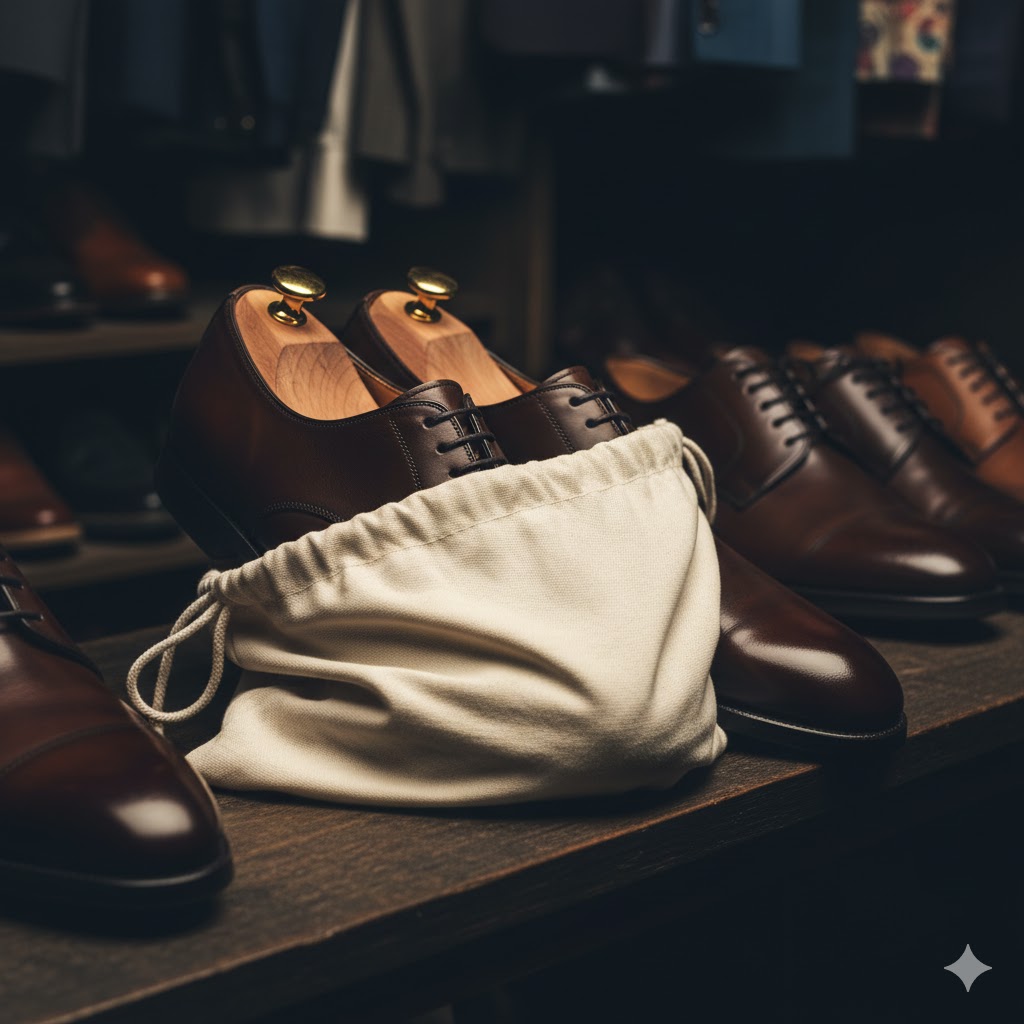
Store leather shoes in a cool, dry space. Avoid plastic boxes that trap humidity and cause mold. Use breathable cotton or muslin dust bags, especially for high-end leather shoes. Place them upright with shoe trees inserted to preserve shape. Keep them away from direct sunlight to prevent color fading. If storing for long periods, recondition them lightly every 2–3 months.
Frequently Asked Questions About Cleaning Leather Shoes
How often should I clean leather shoes?
Clean lightly after every few wears and deep-clean monthly. If exposed to rain or dirt, clean them immediately to prevent long-term damage.
Can water ruin leather shoes?
Yes, water can cause staining, warping, and dryness. Always waterproof your shoes and dry them naturally—never with heat.
Is olive oil safe for conditioning leather?
No. Olive oil goes rancid and causes permanent darkening. Use only leather-specific conditioners.
How do I remove bad odor from leather shoes?
Use activated charcoal, baking soda, or cedar blocks. For strong odors, lightly mist with alcohol-water mix to kill bacteria.
Can I use hairdryer to dry leather shoes?
Avoid it—heat leads to cracks. Always air-dry in a shaded place.
How do I polish leather without darkening it?
Use neutral cream polish instead of colored or wax-heavy formulas.
What should I do if my leather shoes get wet?
Remove laces, insert newspaper or shoe trees, and let them air dry. Condition afterward to restore moisture.
Can I use soap and water on leather shoes?
Regular soap is harmful. Use saddle soap or pH-balanced leather cleaners only.
How do I remove deep scuff marks?
Use white vinegar or a leather-safe eraser. Severe marks may require professional recoloring.
Is coconut oil safe for leather shoes?
No—like olive oil, it can clog leather pores and alter color.
How to avoid cracks in leather shoes?
Condition regularly, avoid heat exposure, and rotate shoes to allow leather to rest.
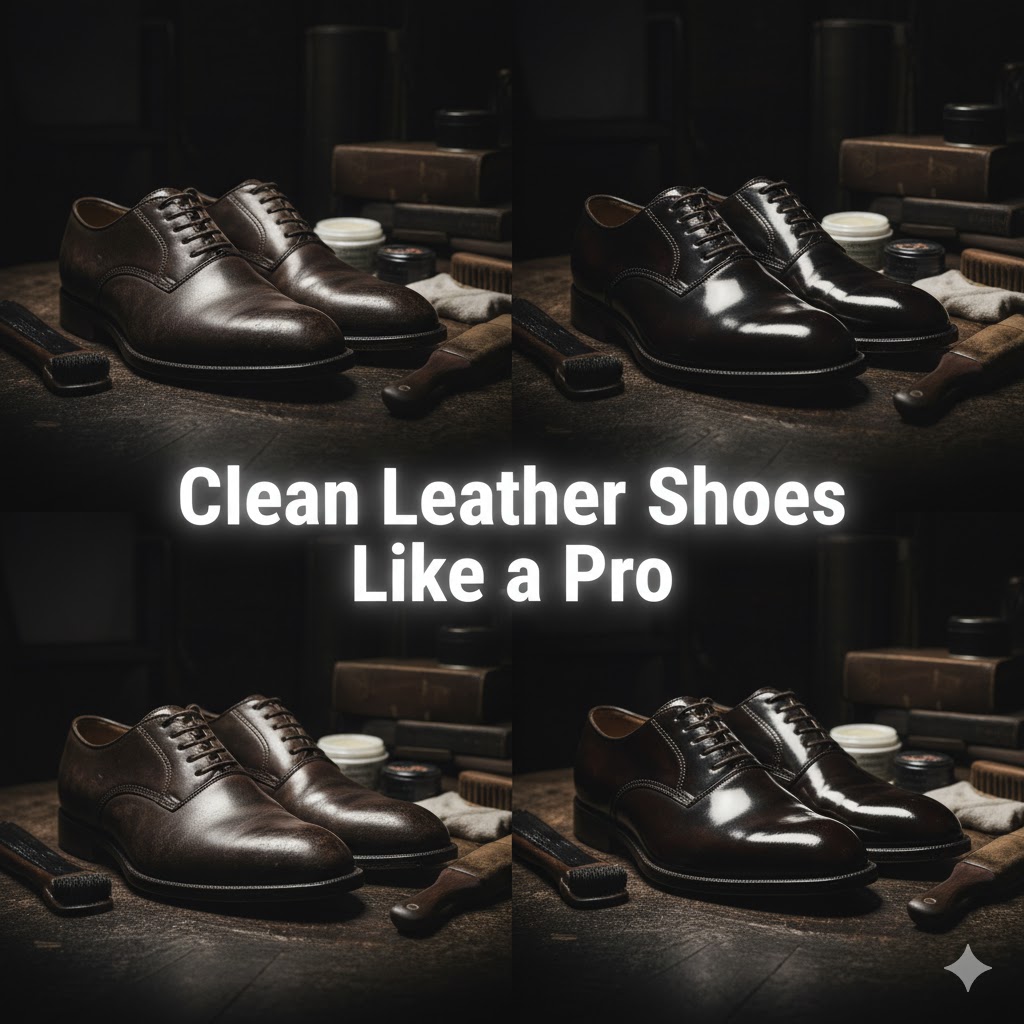
Expert Advice: The Key to Long-Lasting Leather Shoes Is Consistency
Cleaning leather shoes isn’t complicated—it just requires care, the right techniques, and consistency. With proper cleaning, conditioning, polishing, and storage, your leather shoes will not only last longer but look better with age. Treat leather as a living material that responds to your maintenance routine, and it will reward you with durability, comfort, and elegance for years.