






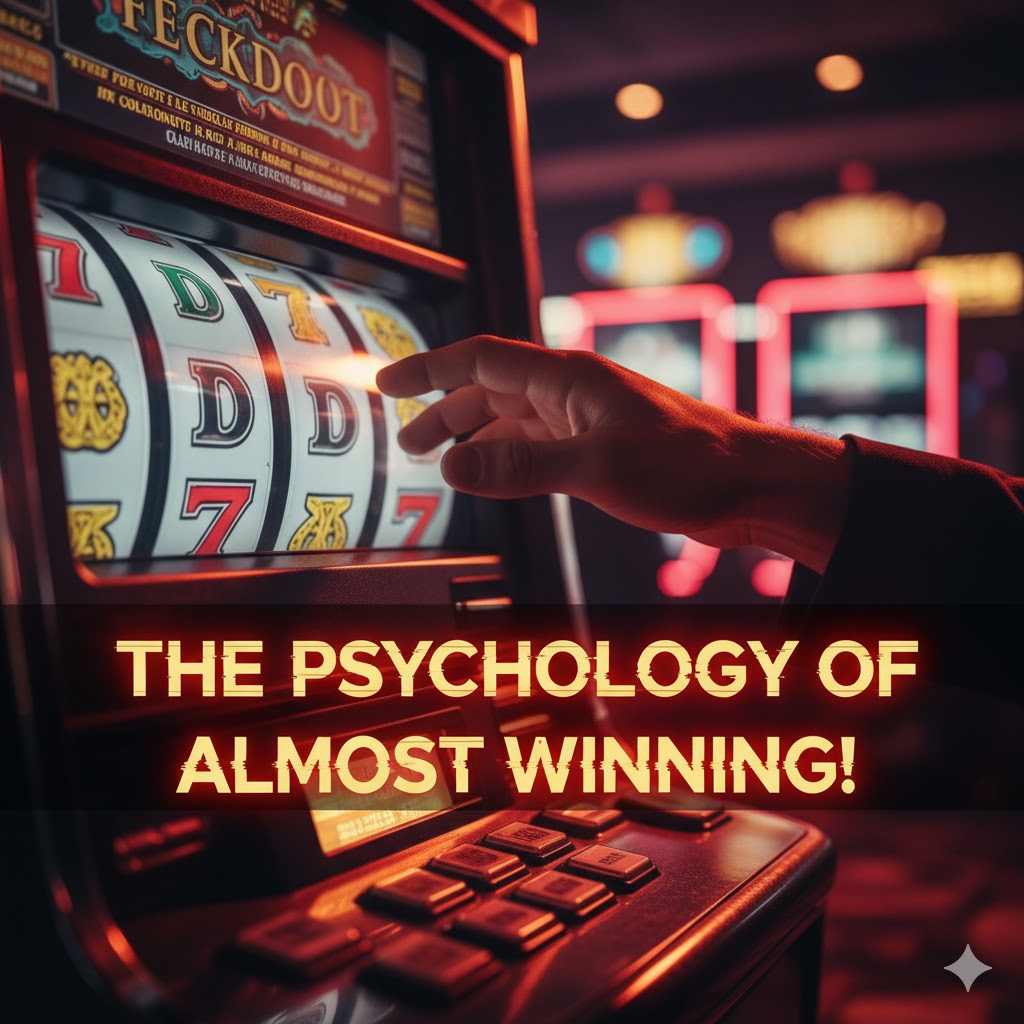
Introduction: Why “Almost Winning” Feels So Powerful
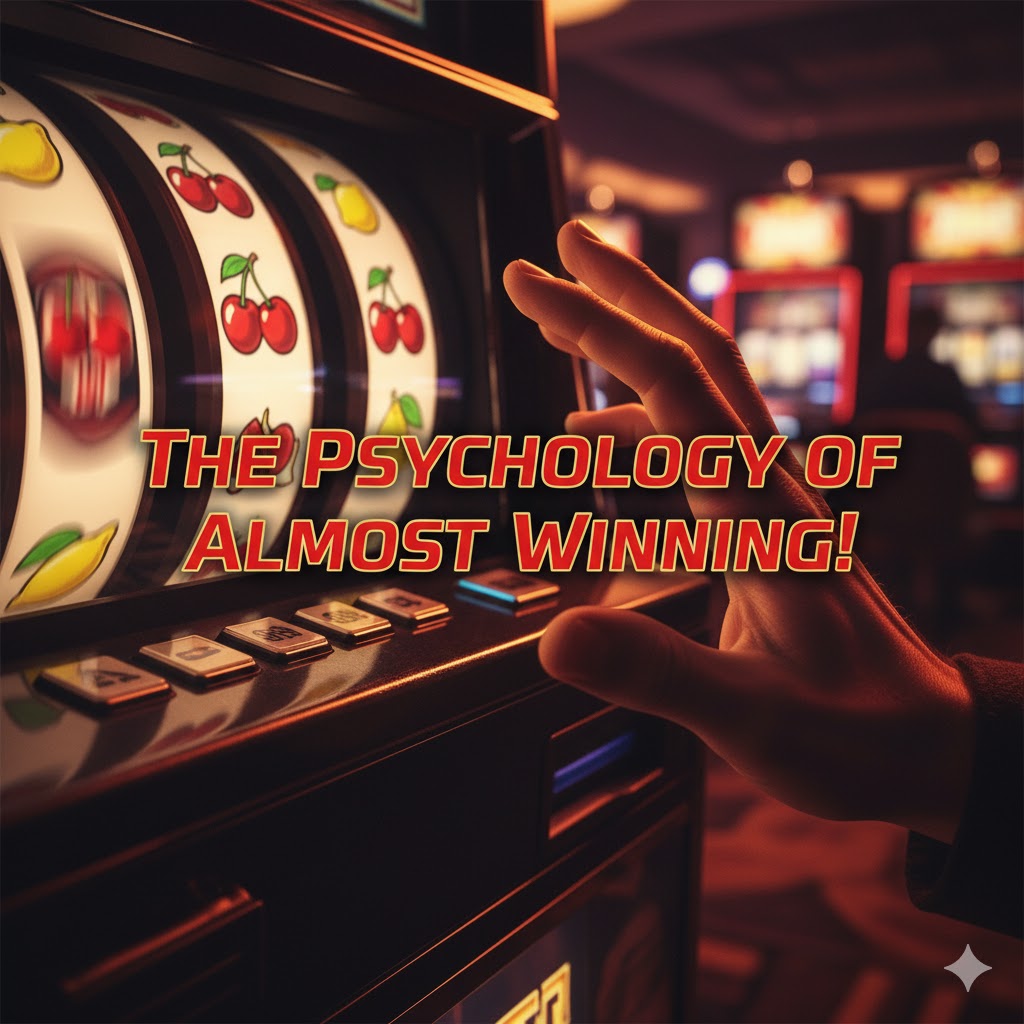
You’ve seen it — the reels spin, the lights flash, two symbols align perfectly, and the third just barely misses. Your heart skips a beat. For a split second, it feels like you almost won — and you want to try again. That, in essence, is the Slot Machine Near-Miss Effect — a psychological design trick that keeps players chasing the thrill of an almost victory.
Casinos have spent decades refining this effect to perfection, transforming simple games of chance into deeply addictive experiences. But why does your brain react so strongly to something that isn’t even a win? Let’s dive deep into the science, behavior, and psychology behind this fascinating (and manipulative) design.
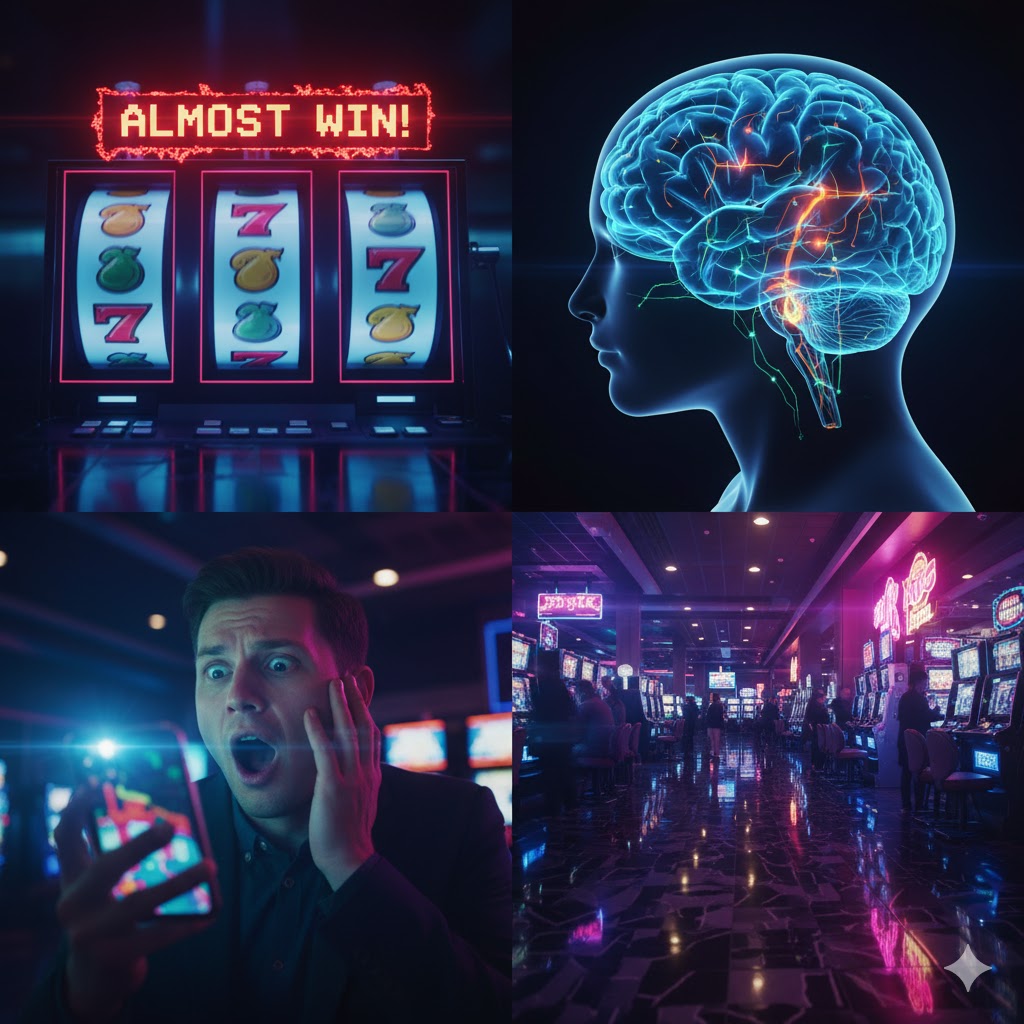
1. The Science of Near-Miss: It’s Not Random
Contrary to what many believe, near-misses on slot machines aren’t purely accidental. Modern machines use algorithms that intentionally generate “almost wins” at carefully calculated frequencies. The goal? To stimulate the brain’s reward system and create the illusion of control or progress.
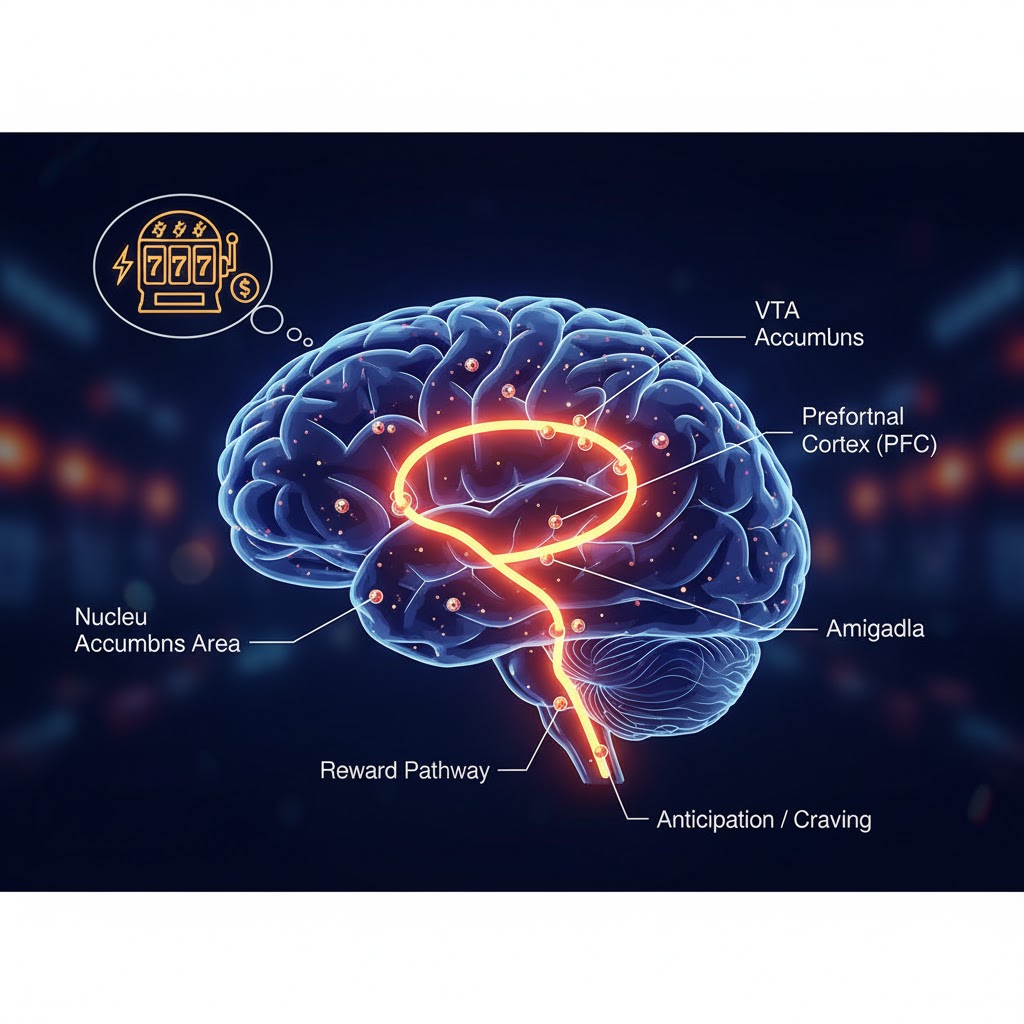
Studies show that when players experience a near-miss, the same brain regions (especially the striatum and anterior cingulate cortex) activate as they do during actual wins. It’s a neurological trick — your brain perceives a near-miss as something worth pursuing, even when it’s a total loss.
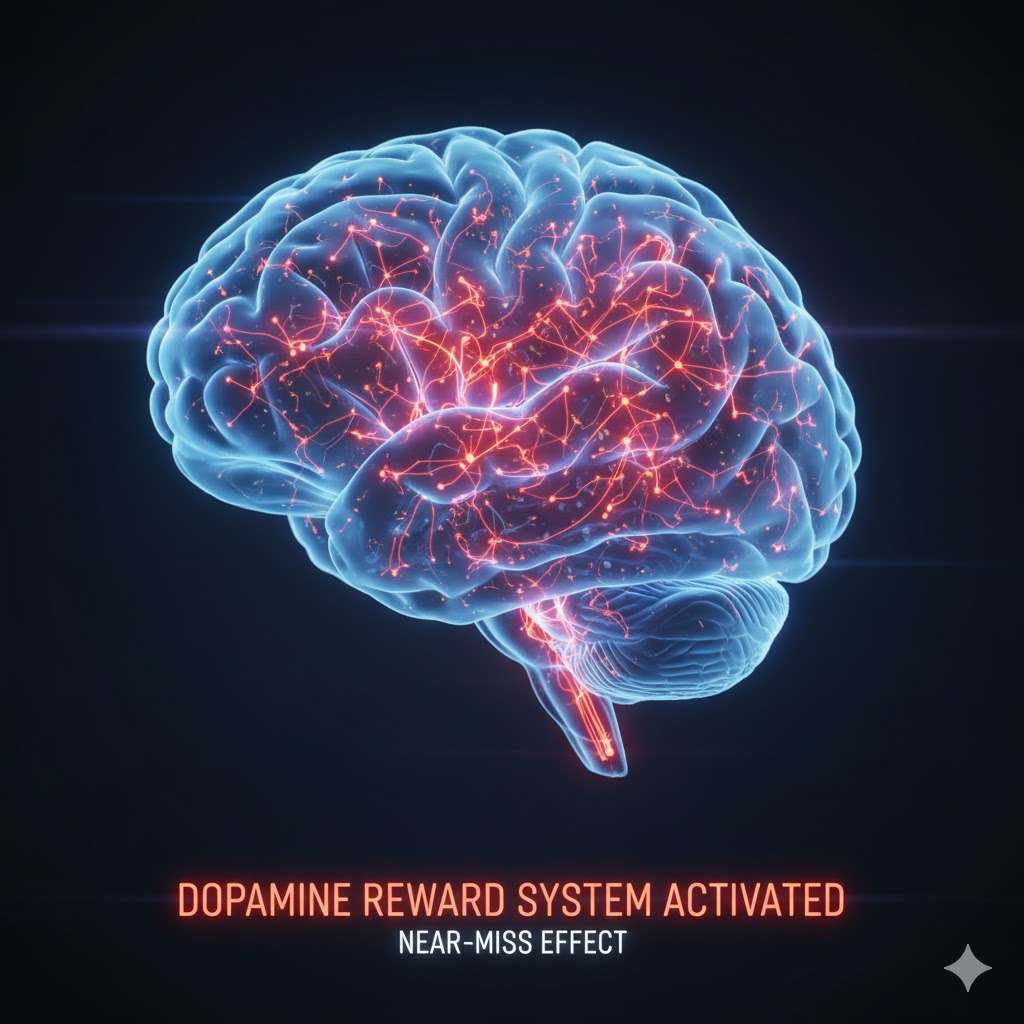
2. Dopamine: The Chemical of “Maybe Next Time”
The neurotransmitter dopamine plays a crucial role in gambling addiction. When you “almost win,” your brain releases a small dose of dopamine — not as much as a win, but enough to reinforce the behavior. This subtle reinforcement loop is what drives repetitive play.
Psychologists compare this to a variable reward schedule — the same principle used in social media and video games. You don’t win every time, but the uncertainty and “maybe next spin” feeling create a powerful psychological hook.
3. The Illusion of Skill: “I Was So Close!”
Slot machines are games of chance, yet near-misses create a false sense of skill. When a player almost hits a jackpot, their mind interprets it as evidence of personal influence, even though the outcome is completely random.
This illusion is known as the “illusion of control”, and it’s what convinces many players they’re improving with practice. It’s the same principle that makes people blow on dice or pull a lever “just right.”
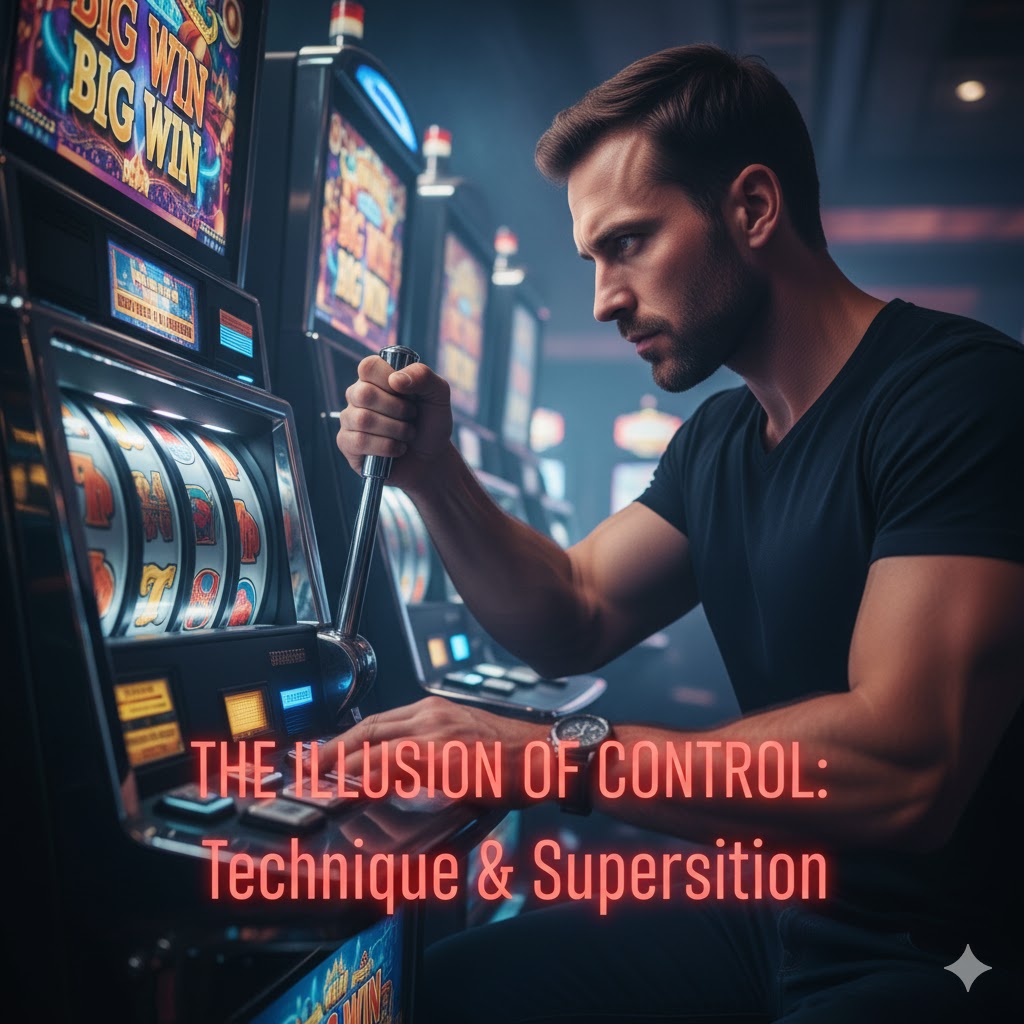
4. Casinos Design Near-Misses to Keep You Hooked
Modern casino design is a masterclass in behavioral psychology. Slot developers use mathematical algorithms that balance wins, losses, and near-misses in a way that keeps you engaged but not satisfied.
In fact, research published in the Journal of Behavioral Addictions found that machines that displayed more near-misses led to players spinning for 30–50% longer. It’s not luck — it’s design.
5. The Role of Sound and Light Cues
Every ding, spin, and flash of color is carefully engineered. When you “almost win,” the machine often plays celebratory sounds — even though no money is awarded. These sensory reinforcements manipulate your emotional state and make the loss feel like a “close call.”
Casinos use positive reinforcement cues similar to those used in animal training. The goal is to associate every spin — even a losing one — with excitement and potential reward.
6. How Online Casinos Perfected the Near-Miss Effect
Online platforms have taken the near-miss psychology to the next level. Digital slot games can easily adjust the frequency and visual presentation of near-misses. Mobile interfaces, vibration feedback, and personalized bonus animations make the “tease” even more immersive.
Some iGaming companies even use AI algorithms to predict player engagement levels, subtly increasing near-misses when they detect declining playtime. It’s a high-tech twist on classic manipulation.
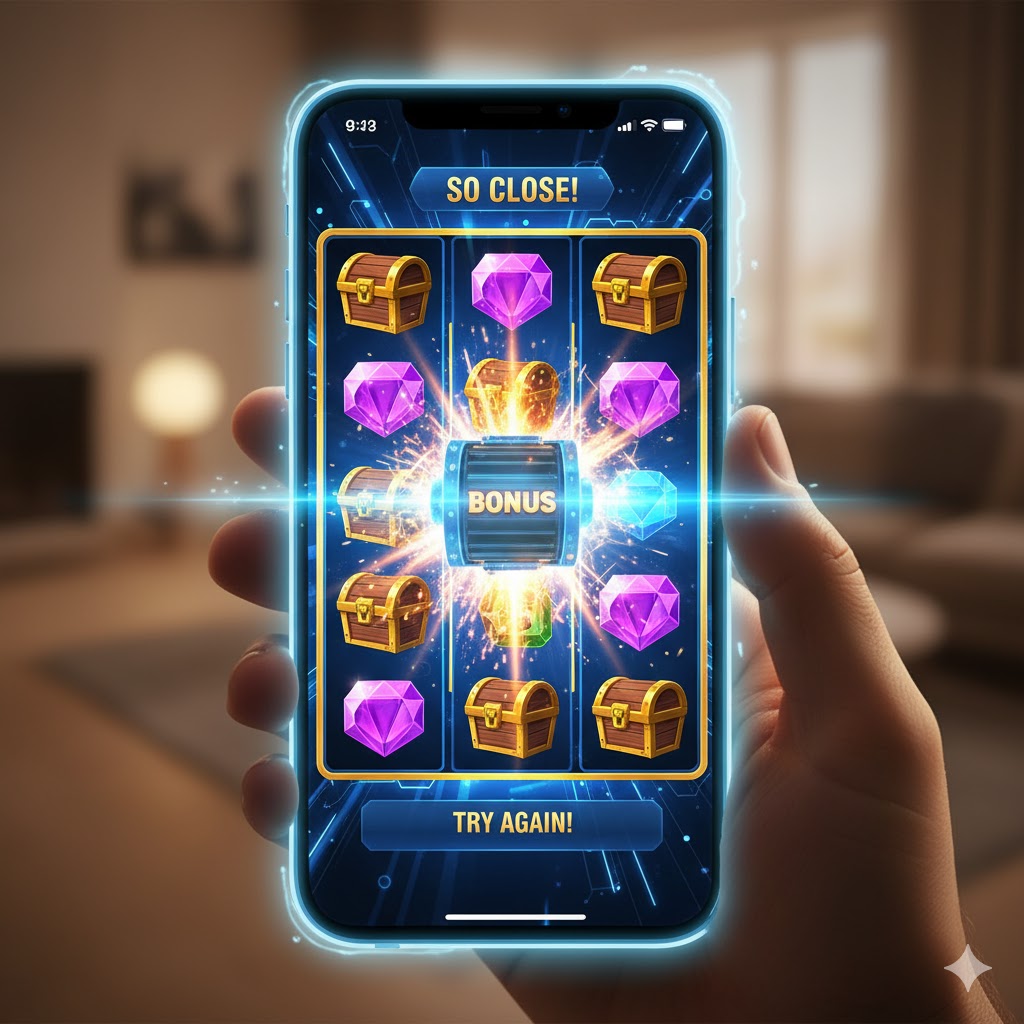
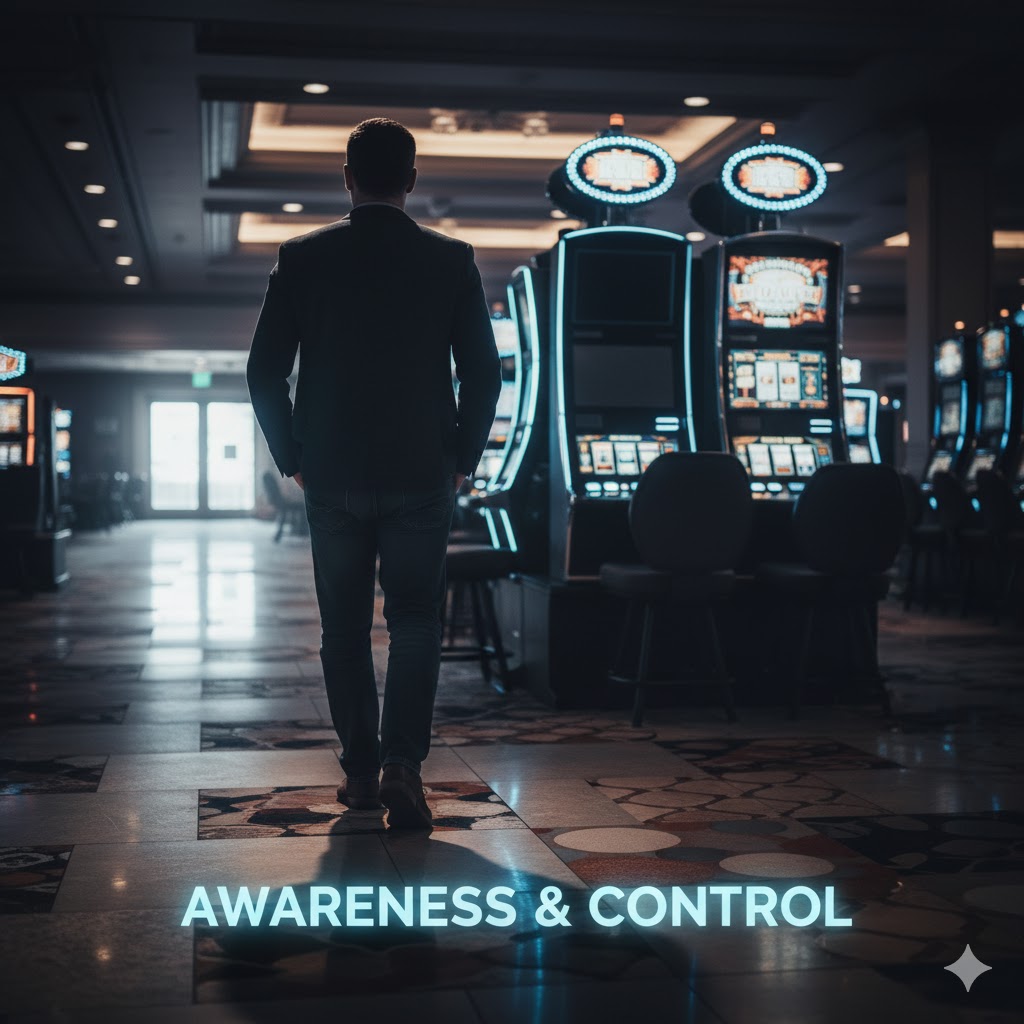
7. Breaking the Cycle: Awareness Is Power
The first step in overcoming the near-miss trap is awareness. Once you recognize that near-misses are designed against you, not for you, it becomes easier to detach emotionally from the game.
Responsible gambling advocates recommend setting strict playtime limits, avoiding “chasing” behavior, and using casino self-exclusion tools when needed. Remember — near-misses are not progress; they’re psychological bait.
Frequently Asked Questions (FAQs)
1. What is the Slot Machine Near-Miss Effect?
It’s when the reels land just short of a win, creating an illusion of being close. Psychologically, this tricks your brain into feeling you almost won.
2. Why do near-misses feel so rewarding?
Because the same dopamine regions in the brain activate as if you had actually won, making the experience feel meaningful.
3. Is the near-miss effect intentional?
Yes, slot designers intentionally program near-misses to maintain engagement and encourage continued play.
4. Do all slot machines use this technique?
Most modern slot and digital machines use some version of near-miss programming to enhance player retention.
5. How does dopamine affect gambling?
Dopamine reinforces reward-seeking behavior, making near-misses and small wins feel addictively satisfying.
6. Are online slots more manipulative?
Online versions often amplify near-misses with animations and sound effects, creating stronger psychological triggers.
7. Can you train yourself to resist the near-miss effect?
Awareness, setting limits, and understanding the illusion of control can help you avoid manipulation.
8. Why do casinos allow this?
It’s not illegal because near-miss designs fall within probability laws, but it’s ethically controversial.
9. Does the near-miss effect exist in other games?
Yes — video games, mobile apps, and even sports betting use similar techniques to encourage repeated engagement.
10. How can I gamble responsibly?
Always set time and budget limits, take breaks, and never chase losses — remember, every spin is independent.
Conclusion: The Tease That Costs You More Than You Think
The Slot Machine Near-Miss Effect isn’t about luck or chance — it’s about control and conditioning. Casinos and developers know exactly how to use your brain’s reward system against you. But understanding how these cues work allows you to reclaim your awareness and make conscious choices.
Next time the reels stop just short, remember — it’s not you who almost won. It’s the machine that almost won your next spin.
Source:
Visit: NCBI Article
Read our full guide on Luxury Vertu Mobile Price in Pakistan 2025 Easy Unboxing Reveal