





Introduction – Future of Net-Metering Pakistan
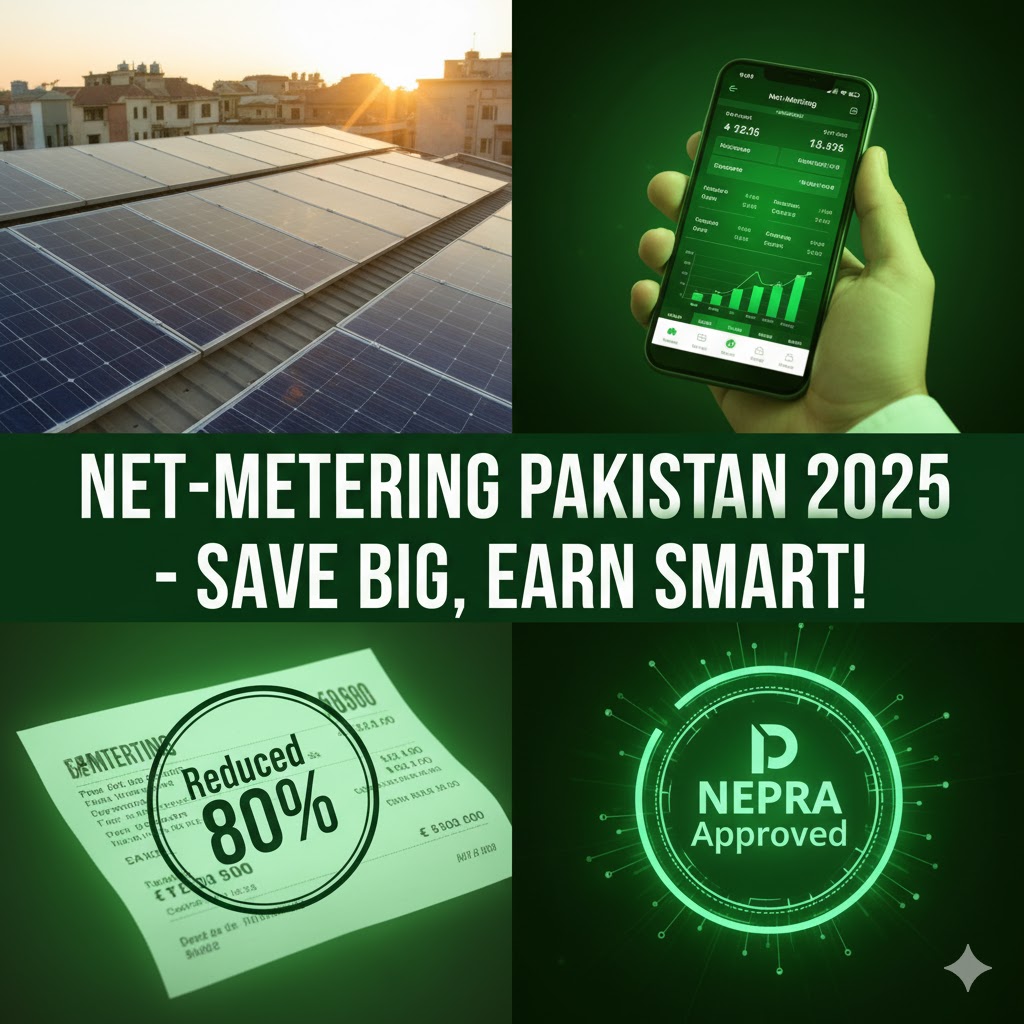
Net-Metering Pakistan has become one of the most impactful initiatives to promote solar power adoption across homes and businesses. It allows users to sell excess solar energy back to the grid—reducing electricity bills and supporting Pakistan’s renewable energy vision.
This detailed guide breaks down the application process, eligibility, documentation, and approval stages for net-metering in 2025. Whether you’re in Karachi, Lahore, or Islamabad, these steps will help you apply efficiently.

Step 1: Check Eligibility
To qualify for Net-Metering Pakistan, you must have a solar PV system up to 1 MW capacity installed at your premises. Both residential and commercial customers can apply, provided the system complies with NEPRA’s Distributed Generation Regulations.
Step 2: Install a Certified Solar System
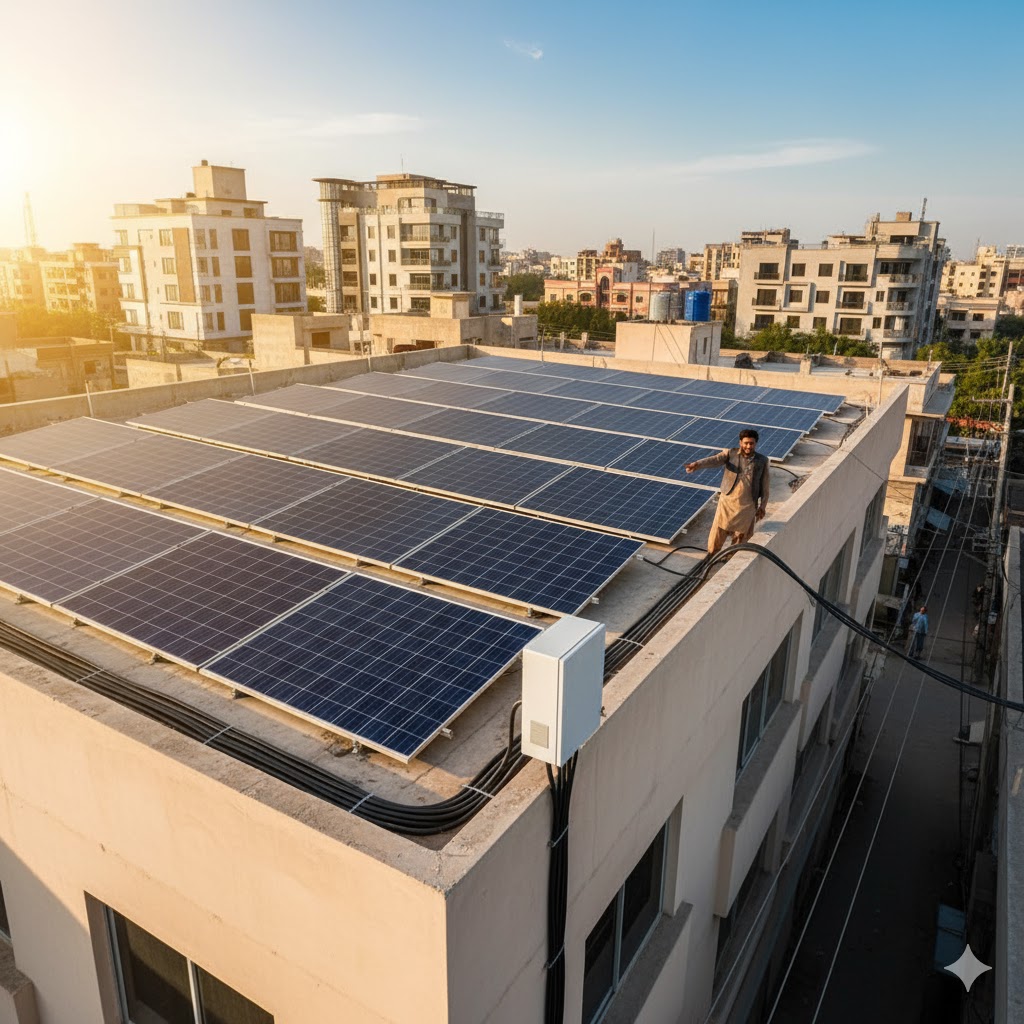
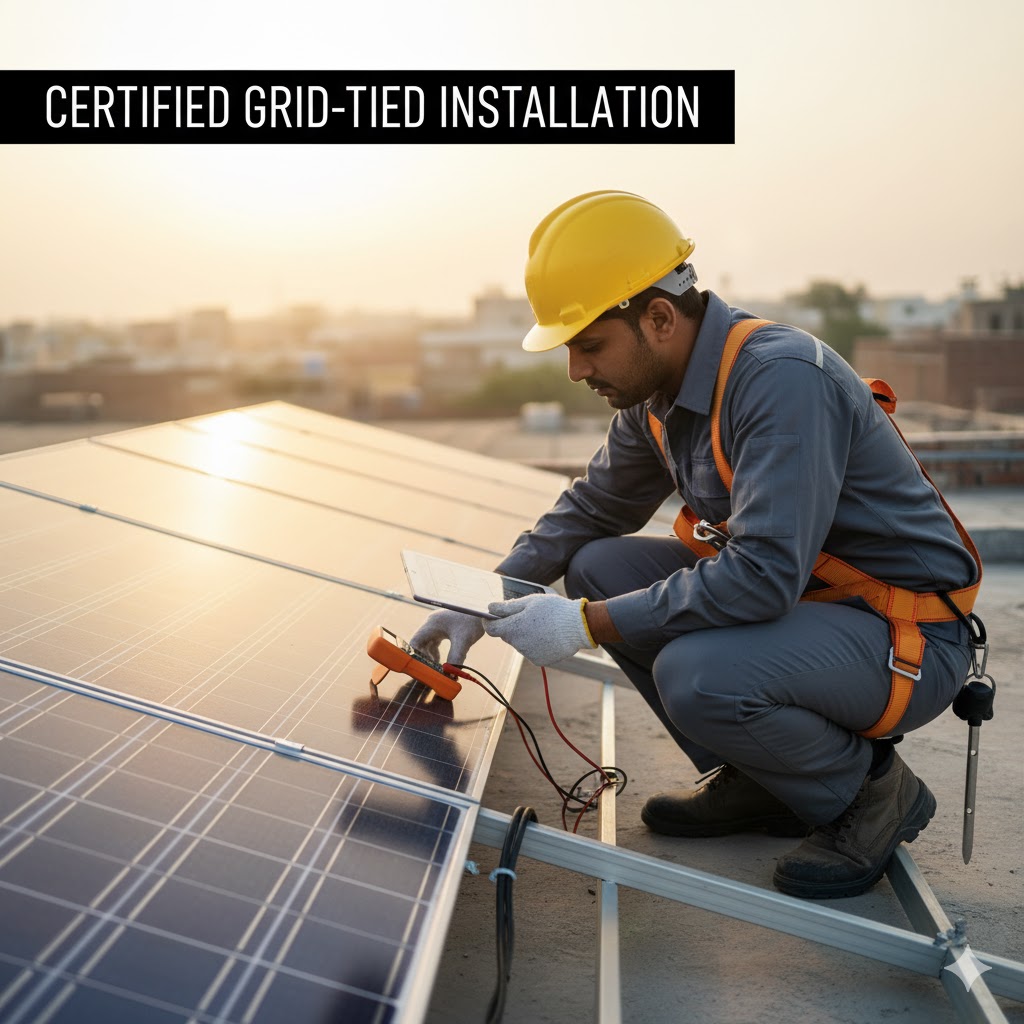
Only AEDB-certified vendors are allowed to install grid-tied solar systems eligible for net-metering. Ensure the system includes bidirectional meters, inverters, and safety equipment that meet national standards.
Step 3: Collect Required Documents
Prepare these documents before applying:
- CNIC copy
- Recent electricity bill
- Property ownership or tenancy proof
- Installation layout & technical drawings
- Vendor certification and test reports

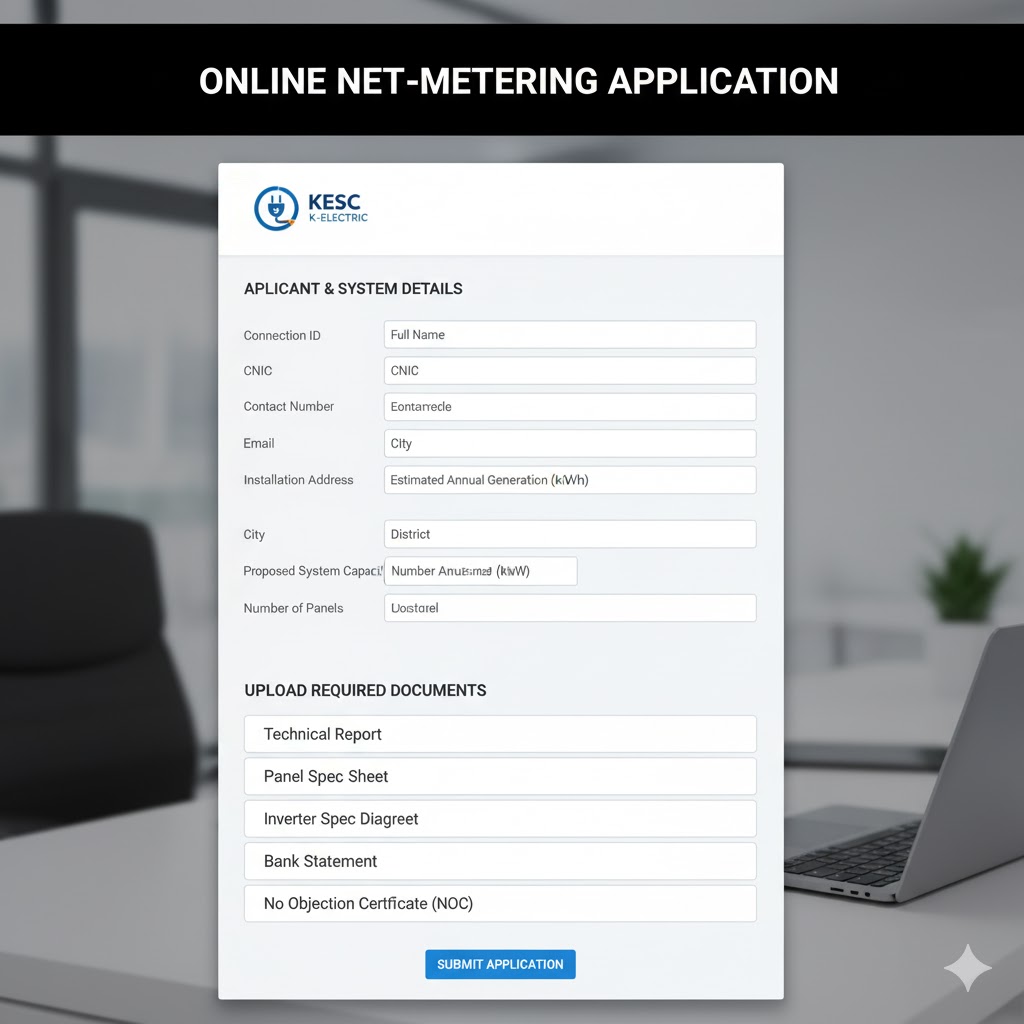
Step 4: Submit Application to Your DISCO
Apply to your Distribution Company (DISCO) — such as K-Electric, LESCO, FESCO, or IESCO — with your complete documentation. Most DISCOs now accept online submissions via official websites for convenience.
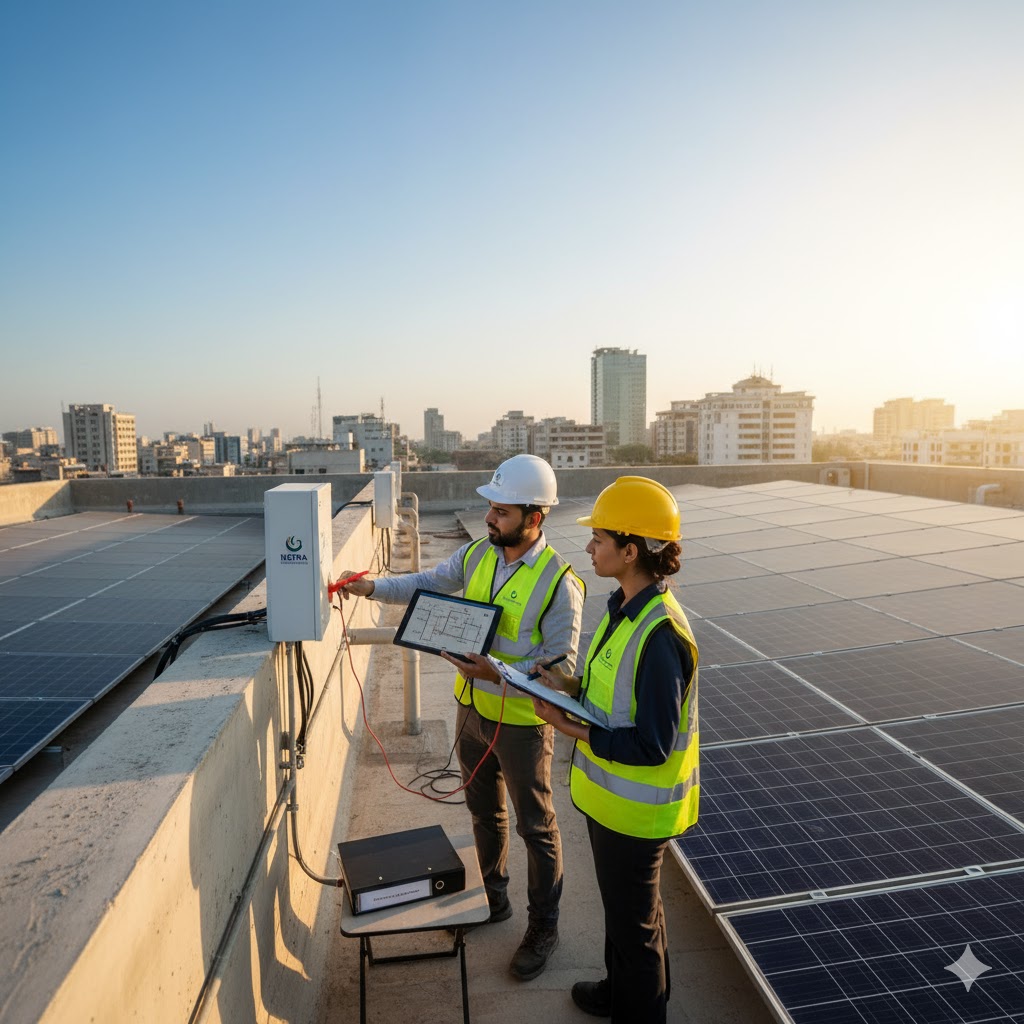
Step 5: System Inspection by DISCO Team
After submission, a technical inspection is scheduled. The DISCO engineers check if your solar setup meets safety, grid, and voltage standards. You’ll be notified of the inspection date within 7–10 days.

Step 6: Generation License by NEPRA
Once the inspection report is approved, your DISCO forwards the documents to NEPRA. You must pay a small license processing fee (PKR 500–1000) for the generation license, valid for 7 years.
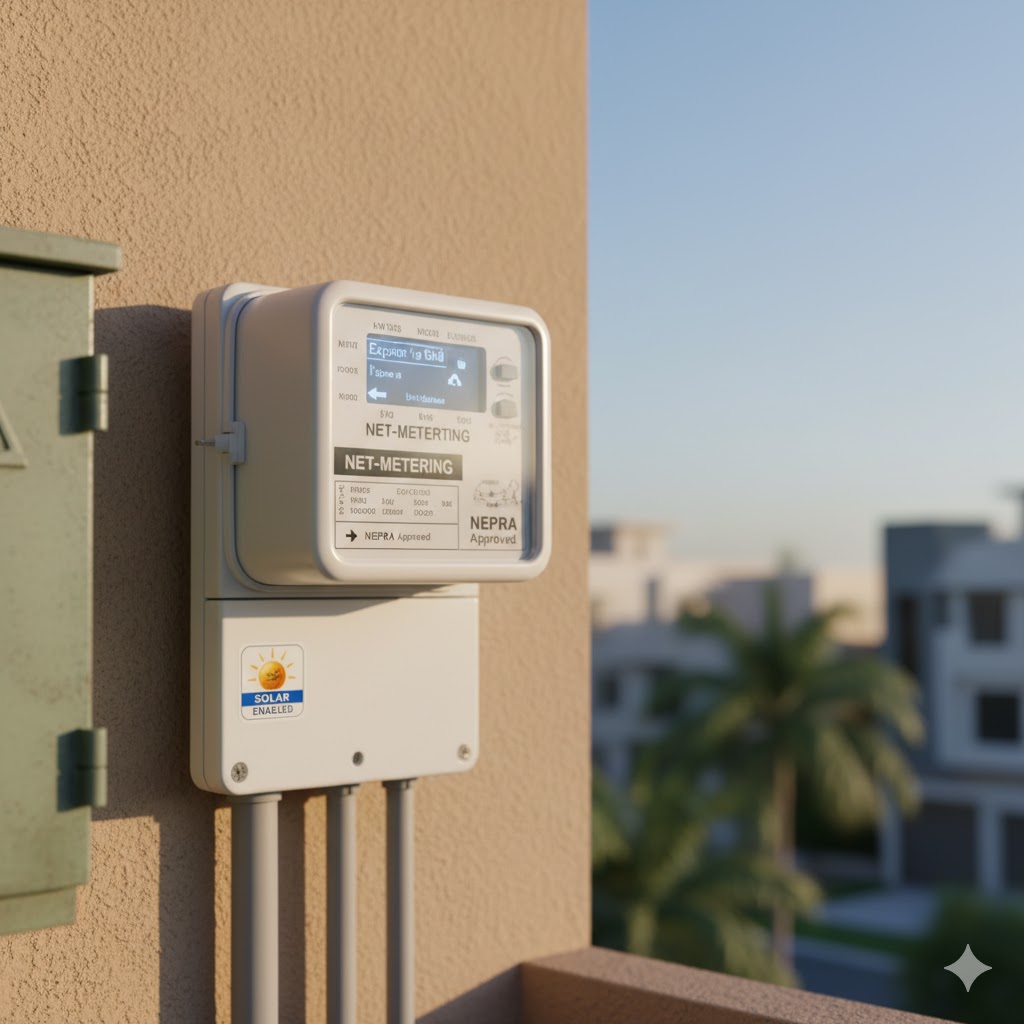
Step 7: Meter Installation and Connection
A bi-directional meter will be installed to measure both imported and exported electricity. The process typically takes 15–30 days post-approval, depending on stock and DISCO schedules.
Step 8: Signing of Net-Metering Agreement
Both the applicant and the DISCO sign a Net-Metering Agreement (NMA) that outlines grid interaction, rates, and billing terms. Keep a copy for your personal records.

Step 9: Start Exporting Solar Energy
Once activated, your system will start exporting surplus power to the grid. The exported units will appear as a credit on your monthly electricity bill — lowering your cost significantly.

Step 10: Monitor and Maintain
Regular maintenance of panels, inverters, and wiring ensures maximum performance. Many vendors offer remote monitoring apps to track energy generation and export data.

Common Questions (FAQ)
1. How long does it take to get NEPRA approval?
Usually between 30–60 days after submitting your application through your DISCO.
2. Is there a fee for applying for Net-Metering Pakistan?
Yes, around PKR 500–1000 for the generation license.
3. Can I install net-metering without a certified vendor?
No. Only AEDB-approved vendors can install eligible systems.
4. What happens to excess energy credits?
They roll over each month and can be adjusted against future bills.
5. Do all DISCOs in Pakistan support net-metering?
Yes, including K-Electric, LESCO, FESCO, GEPCO, and others.
6. Is there any tax benefit for net-metering users?
Some regions offer rebates or reduced import duties for solar systems.
7. How often does NEPRA renew licenses?
Every seven years; renewal is a simple revalidation process.
8. What type of meter is required?
A bi-directional (smart) meter capable of tracking import/export energy.
9. Can commercial buildings apply?
Yes, both residential and industrial consumers are eligible.
10. Can I expand my system later?
Yes, but it requires re-inspection and NEPRA notification.
Expert Guide:
Adopting Net-Metering Pakistan in 2025 is a forward-thinking move toward clean energy independence. It not only reduces your electricity bills but also helps stabilize the national grid by promoting sustainable energy sharing.
By following these 10 steps and working with certified vendors, you can join thousands of Pakistanis contributing to a greener, smarter energy future.

References:
Visit: NEPRA
Read More: Top 10 Best Solar Energy Companies Pakistan 2025 (Trusted & Affordable
See More: Learn more about [Pakistan’s Renewable Energy Vision 2030].