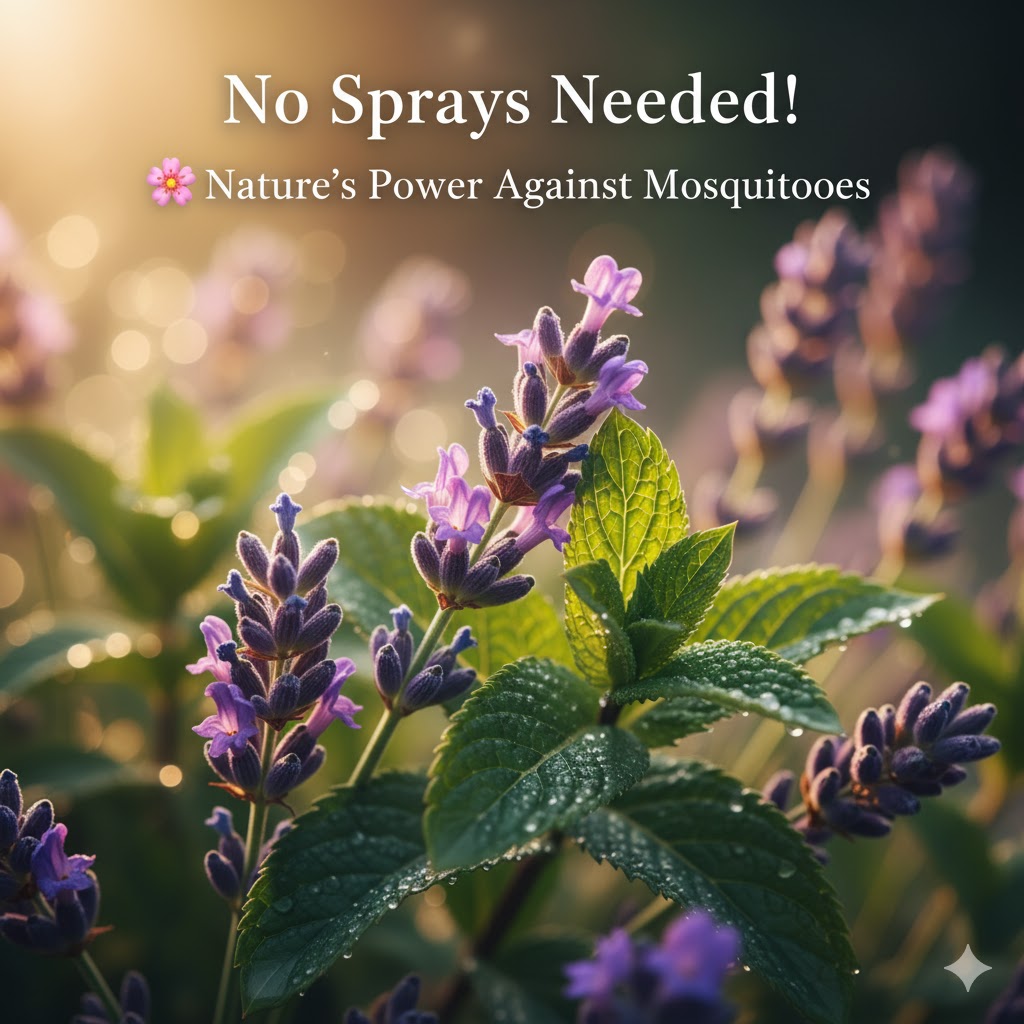







Introduction: Nature’s Defense Against Mosquitoes
Tired of chemical sprays and foggers? Mother Nature has her own line of defense — plants naturally repel mosquitoes.
In 2025, with eco-living trends on the rise, homeowners and gardeners worldwide are using botanical mosquito control as a safer, greener alternative.
These plants emit natural oils that mosquitoes dislike, creating invisible scent barriers while adding beauty and fragrance to your home.


🌸 1. Citronella – The Classic Mosquito Repellent Plant
Scientific name: Cymbopogon nardus
Citronella is famous for its strong lemony scent that mosquitoes hate. It contains citronellal and geraniol, two compounds proven to deter pests.
✅ Best for: Outdoor patios, garden borders, or balcony pots.
✅ Care: Full sun and well-drained soil.
🪴 Pro Tip: Crush a few leaves and rub them on your arms before outdoor dining — natural and effective!
Source: Learn more about citronella plant care – Gardening Know How

2. Lavender – Beauty with a Purpose
Scientific name: Lavandula angustifolia
Lavender’s calming fragrance is heavenly for humans but unbearable for mosquitoes. Its oil interferes with mosquito smell receptors.
✅ Ideal for: Garden beds or near doorways.
✅ Bonus: Deters flies and moths too!
Must See: Read: Natural Mosquito Repellent Recipes That Actually Work

3. Basil – Dual Purpose Herb and Natural Repellent
Scientific name: Ocimum basilicum
Basil doesn’t just flavor your pasta — it’s one of the best plants that naturally repel mosquitoes indoors and outdoors.
Its strong aroma masks human scents, confusing mosquitoes. It’s also easy to grow year-round.
✅ Best for: Windowsills, kitchen gardens, or balconies.
✅ Tip: Keep soil moist and trim leaves regularly for stronger scent.

🌼 4. Lemongrass – Tropical Shield Against Bites
Scientific name: Cymbopogon citratus
A close cousin of citronella, lemongrass is rich in citral, a compound known for repelling mosquitoes and other insects.
✅ Best for: Garden corners, patios, or large pots.
✅ Bonus: Perfect for cooking Southeast Asian dishes too!
Source: University of Florida Study: Citral as Mosquito Repellent

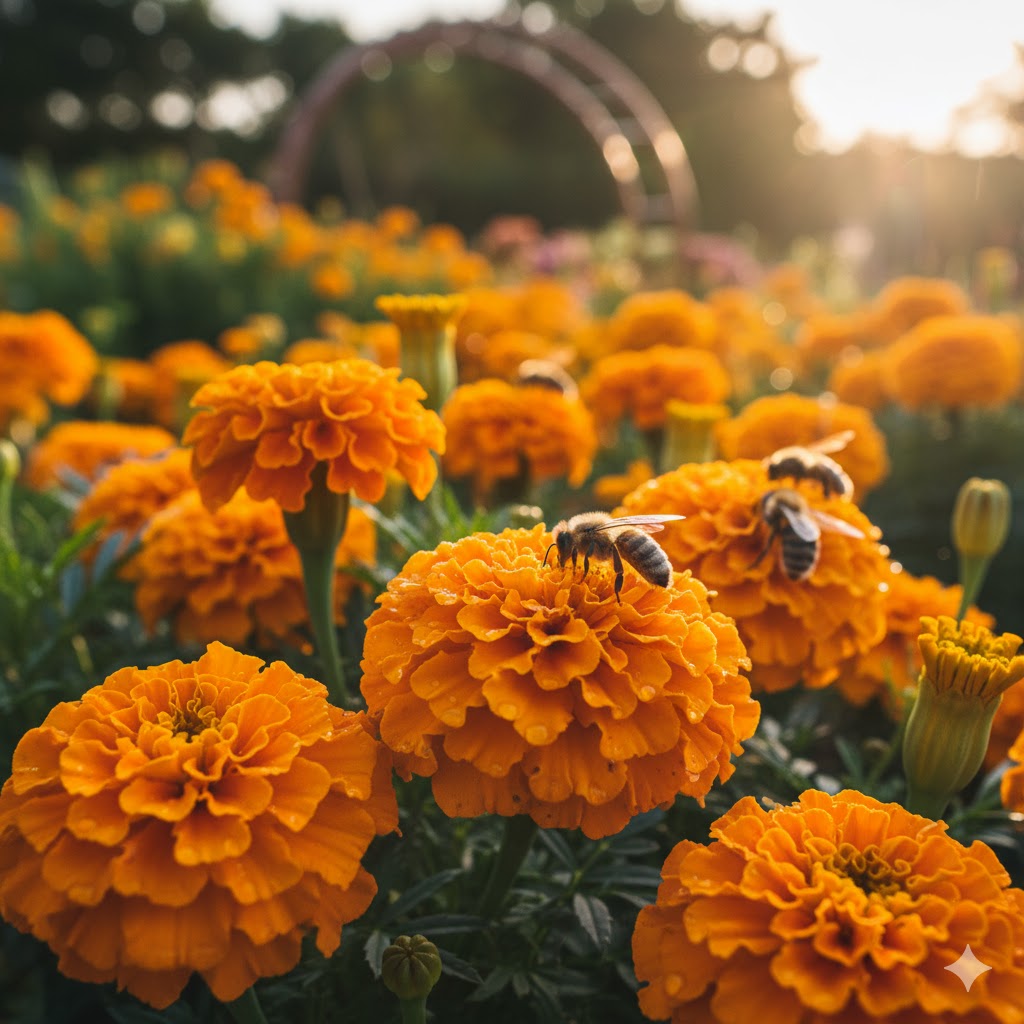
5. Marigold – Bright, Bold, and Bug-Free
Scientific name: Tagetes erecta
Marigolds release pyrethrum, a compound used in many commercial insect repellents. Their vibrant orange and yellow blooms also attract beneficial pollinators.
✅ Best for: Garden borders or vegetable patches.
✅ Bonus: Deters aphids and whiteflies too!
Must See: Explore: Organic Pest Control with Neem & Biological Solutions
6. Mint – Refreshing Aroma, Mosquito’s Nightmare
Scientific name: Mentha piperita
Mint’s cooling menthol scent irritates mosquito sensors, keeping them away naturally. It also deters ants and flies.
✅ Best for: Small pots near outdoor seating or indoors by windows.
✅ Tip: Regularly prune to prevent overgrowth.

🌿 7. Rosemary – Herb That Protects and Purifies
Scientific name: Rosmarinus officinalis
Rosemary emits a woody scent mosquitoes dislike. When burned or crushed, it releases aromatic oils that create an invisible protective barrier.
✅ Best for: Sunny balconies and garden edges.
✅ Bonus: Excellent for cooking grilled dishes!

🌸 8. Catnip – Nature’s Insect Warrior
Scientific name: Nepeta cataria
Catnip isn’t just for cats — it’s a powerful mosquito deterrent. Studies show it’s 10 times more effective than DEET in certain conditions.
✅ Best for: Outdoor gardens with partial shade.
✅ Caution: Cats may be drawn to it!
Source: Iowa State University: Catnip as Mosquito Repellent Study

9. Peppermint – Cooling Protection for Home Interiors
Scientific name: Mentha × piperita
Peppermint’s menthol-rich oil masks CO₂ and body odor that attract mosquitoes. It’s a refreshing natural repellent for bedrooms and kitchens.
✅ Best for: Indoor pots or essential oil diffusers.
✅ Bonus: Soothes mosquito bites naturally.

🌺 10. Geranium – Fragrant Defense with Style
Scientific name: Pelargonium citrosum (Citrosa)
Geraniums are ornamental beauties that double as mosquito repellents. Their lemon-scented leaves contain citronellol, keeping mosquitoes at bay.
✅ Best for: Window boxes, balconies, and entryways.
✅ Bonus: Adds vibrant color and pleasant fragrance.
🌿 Creating a Mosquito-Free Garden Design (Step-by-Step)
- Layer Your Plants: Combine citronella, basil, and marigolds near seating areas.
- Add Fragrance Barriers: Place lavender and rosemary around doors and walkways.
- Use Smart Placement: Keep mint and lemongrass near water sources.
- Light It Right: Add citronella candles for extra protection at night.
🌱 Eco Benefits Beyond Mosquito Control
- Air purification – Lavender and basil improve air quality.
- Pollinator attraction – Marigolds and rosemary bring bees and butterflies.
- Soil enrichment – Mint and basil naturally boost soil nutrients.
- Sustainable living – No harmful chemical runoff.
Expert Guide: Grow Green, Live Bite-Free
With these best plants that naturally repel mosquitoes, you can transform your home into a peaceful, fragrant, and eco-friendly retreat.
They’re not only beautiful and functional — they’re a natural step toward a healthier lifestyle in 2025 and beyond.
Whether you’re planting a balcony garden or a backyard paradise, these mosquito-repelling plants are your first line of defense — beautifully.

FAQs: Best Plants Naturally Repel Mosquitoes
1. Which plant is most effective against mosquitoes?
Citronella and lavender are proven to be highly effective.
2. Can I grow mosquito-repelling plants indoors?
Yes, basil, mint, and rosemary thrive indoors.
3. How many plants do I need for a small patio?
At least 3–5 medium pots strategically placed.
4. Do these plants repel other insects too?
Yes, many deter flies, ants, and gnats.
5. Are mosquito-repelling plants safe for pets?
Most are safe, but avoid catnip and peppermint if you have cats.
6. How long does the repellent effect last?
As long as plants are healthy and fragrant.
7. Do I need to crush leaves to activate scent?
Crushing helps release essential oils more effectively.
8. Can I combine these plants in one garden bed?
Absolutely, mix herbs and flowers for maximum coverage.
9. Are these plants suitable for balconies?
Yes, most grow well in pots or containers.
10. Which plant smells best for indoor use?
Lavender and rosemary offer pleasant, calming scents.