







Introduction: Why Termite Prevention Starts Before You Build
Termite Prevention for New Homes is not an afterthought — it’s your first defense line against one of the most destructive pests in property history. By understanding the role of pre-construction soil treatment, you save thousands in repairs and ensure your home’s foundation stays strong for decades.
Building a new home is one of life’s biggest investments — but few homeowners think about termite prevention during construction. By the time visible signs appear, termites may already have caused thousands of dollars in damage.
The smartest move?
Implementing pre-construction soil treatment — a professional-grade termite barrier that protects your foundation before the first brick is laid.
1. Understanding Termite Behavior: Silent Destroyers Beneath the Surface
Termites are known as “silent destroyers” because they quietly eat wood, flooring, and wallpaper 24/7 — often without detection.
They thrive in warm, humid environments (like Pakistan, UAE, India, and Southeast Asia) where soil moisture supports colonies near building foundations.
Without soil treatment, these pests find direct access points through cracks, pipes, and gaps under slabs.

2. What Is Pre-Construction Soil Treatment?
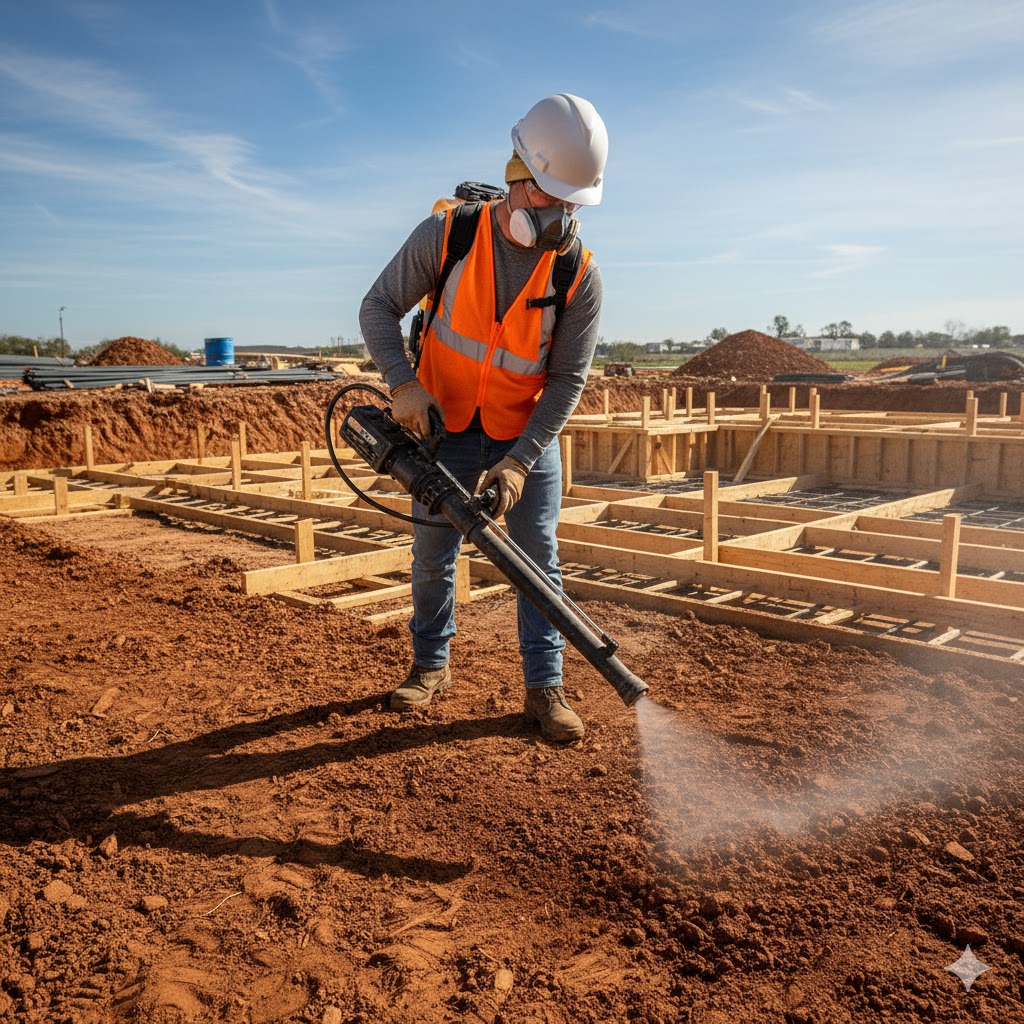
Pre-construction soil treatment involves applying an anti-termite chemical barrier to the soil before the foundation is built.
This barrier acts as an invisible wall that prevents termites from reaching your home structure through the ground.
Main Steps Include:
- Soil preparation and cleaning
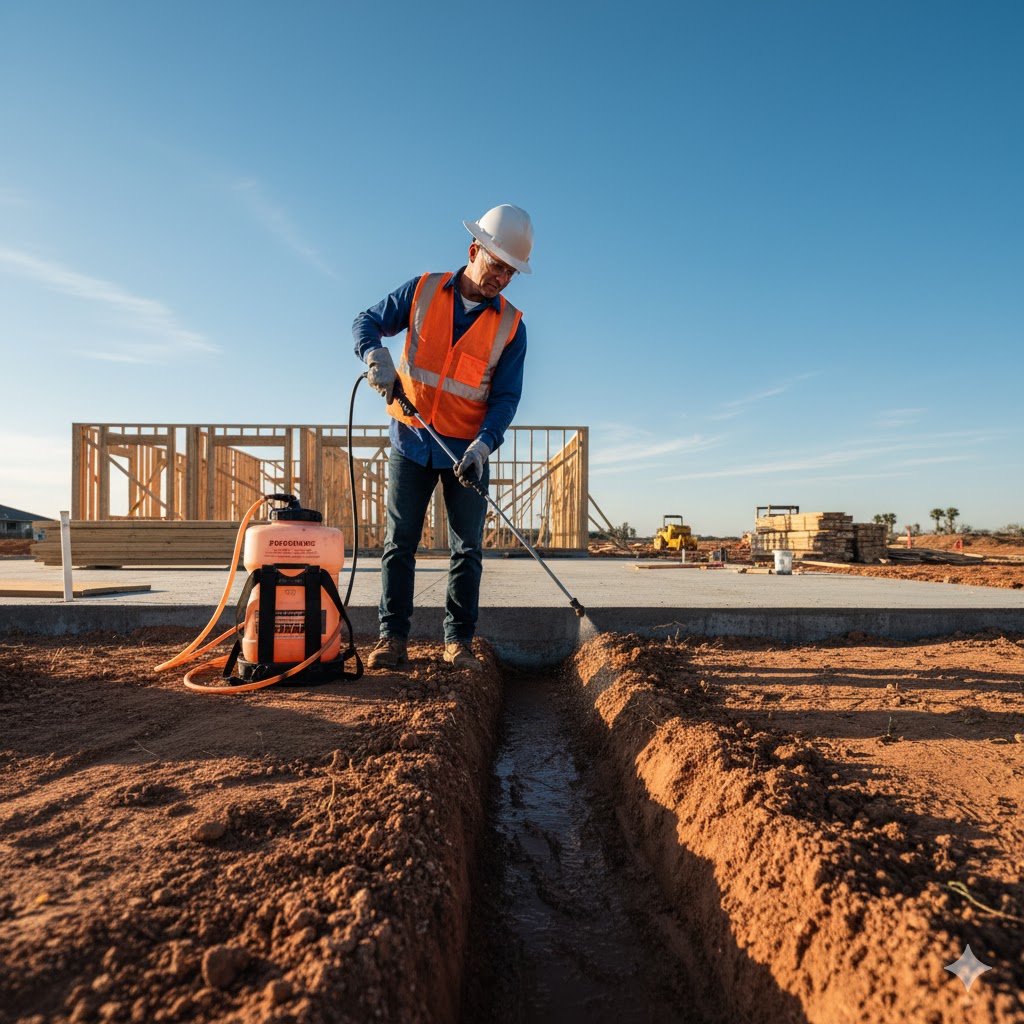
- Chemical barrier application using pressure sprayers
- Foundation trench treatment around the building perimeter
- Refilling and sealing treated soil before flooring
Source: Learn the full termite control standards from WHO Guidelines on Pesticide Use

3. When Should You Apply Soil Treatment?
Timing is everything in termite prevention for new homes.
The ideal moment is after excavation and before pouring the slab.
- If applied too early → rain can wash away the chemicals.
- If applied too late → foundation access becomes impossible.
Builders typically schedule this during the final stage of ground leveling — ensuring even chemical coverage below the foundation, pillars, and utility lines.

4. Common Termiticides Used in Pre-Construction Treatment
Choosing the right termite control chemical ensures long-lasting protection. Here are the most commonly used solutions worldwide:
| Chemical Name | Type | Effect Duration |
|---|---|---|
| Chlorpyrifos 20% EC | Synthetic | 5–7 years |
| Imidacloprid 30.5% SC | Non-repellent | 8–10 years |
| Fipronil 2.5% EC | Slow-acting | 10+ years |
| Bifenthrin 10% EC | Eco-safe | 7–9 years |

Read More: Explore more on eco-friendly termite control methods
5. Step-by-Step Process of Pre-Construction Termite Treatment
Step 1: Site Cleaning
All construction debris, wood, and organic waste are removed. Termites love leftover timber — removing them eliminates the first attraction source.
Step 2: Treating Excavated Soil
Apply chemicals evenly to the excavated soil base before laying the foundation.
Step 3: Foundation Trench Treatment
Soil adjacent to the foundation is treated to create a continuous chemical barrier.
Step 4: Treatment Around Plumbing and Conduits
Pipes and ducts are major termite entry points; sealing and spraying ensure extra safety.
Step 5: Final Refill Treatment
After laying slabs and tiles, treated soil is replaced and compacted around walls.
6. Key Benefits of Pre-Construction Termite Treatment
- Lifetime Protection: Protects your structure from ground termites for up to a decade.
- Cost-Effective: Cheaper than post-construction pest control.
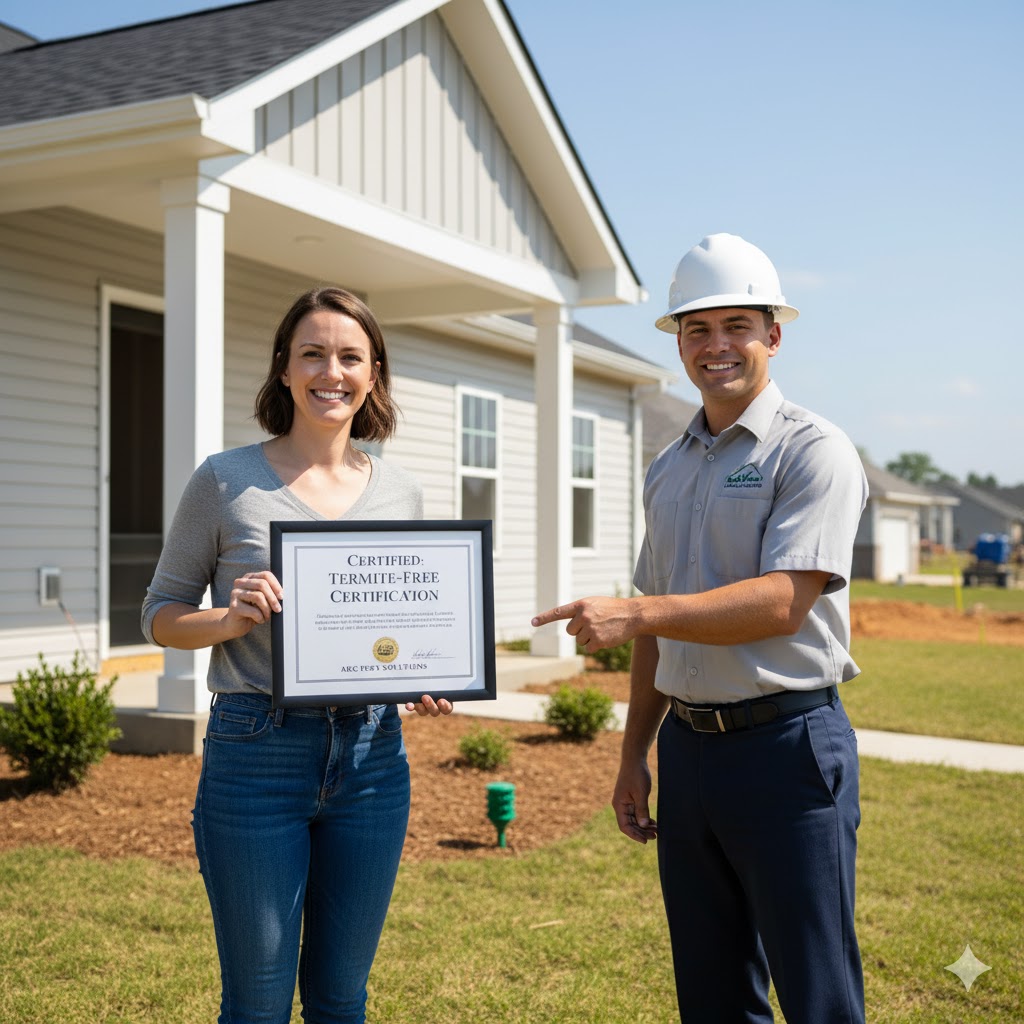
- Increases Property Value: Homes with certified termite treatment attract more buyers.
- Eco-Friendly Options: Modern termiticides are odorless and non-toxic to pets and children.
Must See: Check sustainable pest control innovations at EPA Termite Solutions
7. Common Mistakes Homeowners Make
Even with expert products, the following mistakes can destroy your termite barrier:
- Using untrained labor to apply chemicals
- Not sealing pipe entry gaps
- Allowing standing water near the foundation
- Ignoring follow-up inspections
Pro Tip: Always request a written warranty (at least 5 years) from your pest control company.

8. How Much Does Pre-Construction Termite Treatment Cost?
| Property Size | Estimated Cost (USD) |
|---|---|
| Small home (5 Marla / 125 sq. yd.) | $150 – $250 |
| Medium villa (10 Marla / 250 sq. yd.) | $250 – $400 |
| Large bungalow (500 sq. yd.+) | $500 – $700 |
Prices vary by location and chemical brand. For large housing projects, rates are discounted when contracted per plot.
Must Read: Compare rates in our pest control pricing guide

9. Green Alternatives: Eco-Friendly Soil Treatments
Modern pest control companies now offer biological termite barriers using neem oil, borates, and silica gel treatments.
These natural repellents don’t harm soil ecosystems and are ideal for eco-conscious homeowners.
You can even combine chemical + natural treatments for hybrid safety.

10. Post-Construction Maintenance Tips
Even after soil treatment, maintenance is vital:
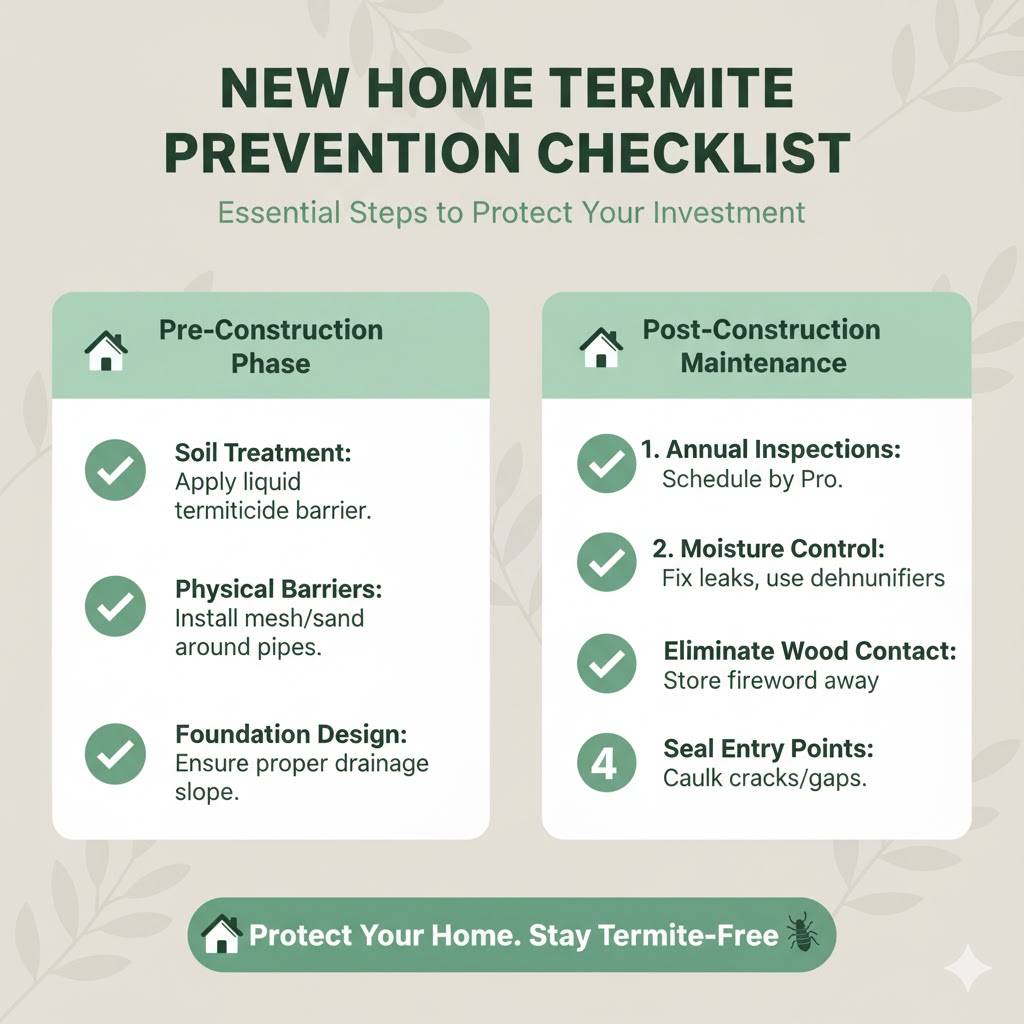
- Keep the foundation area dry
- Avoid stacking wood or cardboard near walls
- Perform annual termite inspections
- Reapply barrier chemicals every 5–8 years
Source: Read maintenance tips on PestWorld.org

11. Hiring the Right Pest Control Company
Choose licensed professionals with:
- ISO / NEA certification
- Experience in pre-construction treatments
- Warranty documentation
- Eco-friendly product options

12. Termite Prevention Myths Busted
❌ “New houses don’t get termites.” – Wrong. Termites can attack as soon as moisture builds.
❌ “Concrete stops termites.” – They move through cracks thinner than 1 mm.
❌ “Only wooden homes are affected.” – Termites also eat paper, drywall, and insulation.

13. Long-Term Protection Checklist
✅ Apply pre-construction soil treatment
✅ Seal plumbing and electrical entry points
✅ Maintain proper drainage
✅ Inspect wooden doors and skirting annually
✅ Schedule re-treatment after 7 years
Travler Review: Build Smart, Protect Forever
Investing in termite prevention for new homes is not a luxury — it’s essential.
By adding pre-construction soil treatment, you fortify your home against one of nature’s most persistent enemies.
Remember: it’s far cheaper to prevent termite damage before construction than to repair it later.
Think long-term, build smart, and sleep peacefully — termite-free.

FAQ – Termite Prevention for New Homes
1. What is pre-construction soil treatment?
It’s the application of termite-resistant chemicals before the home’s foundation is built.
2. When should soil treatment be done?
Right after excavation, before pouring concrete.
3. Is termite treatment safe for pets and kids?
Yes, modern eco-friendly termiticides are non-toxic when applied correctly.
4. How long does the protection last?
Between 7–10 years, depending on the chemical used.
5. How often should re-treatment be done?
Every 5–8 years for consistent protection.
6. Can I do termite treatment myself?
Not recommended; professional pressure application ensures full soil coverage.
7. What if termites appear even after treatment?
Contact your pest control provider immediately — warranty usually covers re-application.
8. Does rain affect termite treatment?
Yes. Treatments should only be done in dry weather for proper soil absorption.
9. What are the eco-friendly alternatives?
Neem oil, boric acid, and silica gel sprays are sustainable options.
10. Can termites come through concrete slabs?
Yes, they can travel through micro-cracks or pipe gaps if not sealed during treatment.









One Comment