
Introduction: Why a Cleaning Compliance Checklist Matters in 2025
Launching a cleaning business in 2025 is full of opportunities—but also packed with legal and operational requirements. Your cleaning compliance checklist isn’t just paperwork; it’s the foundation for running a legitimate, safe, and profitable cleaning company.
From licensing and tax registration to staff safety and environmental rules, compliance protects your startup from penalties and builds trust with clients. According to the U.S. Small Business Administration, over 35% of small cleaning companies face fines yearly due to incomplete compliance steps.
In this ultimate guide, we’ll walk you through every compliance step your cleaning startup must complete in 2025—supported by expert insights, tools, and regulatory links.
🧹 1. Business Registration and Legal Requirements
Before cleaning your first client’s office or home, your company must be legally registered. This ensures your cleaning startup operates within your local, state, or national framework.
✅ Steps to Register Your Cleaning Company:
- Choose a Legal Structure
- Sole Proprietorship
- LLC (Limited Liability Company)
- Corporation
- Partnership
👉 LLCs offer flexibility and protection for small cleaning startups.
- Register Your Business Name
Ensure your brand name is unique and compliant with local business laws.
Example: Search through your local business registration portal. - Obtain a Business License
Each region may require a cleaning service license. Check your city or state requirements at Gov.uk Business Licensing - Apply for an Employer Identification Number (EIN)
- If you hire employees or plan to open a business bank account, you’ll need an EIN.
- Register for VAT or GST (if applicable)
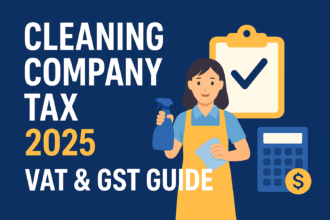
- As discussed in our related article on Cleaning Company Tax 2025: VAT & GST Guide
2. Cleaning Industry Regulations & Standards
Cleaning businesses must comply with local and international safety standards. Following these ensures consistent quality and legal protection.
📋 Key Compliance Areas:
- Health & Safety (OSHA or local equivalent)
Train employees to handle chemicals and equipment safely. - Waste Disposal Regulations
Follow eco-friendly cleaning disposal practices to prevent contamination. - Workplace Safety Signage
Ensure wet floor signs, chemical warnings, and PPE usage. - Environmental Standards (ISO 14001)
Many cleaning companies pursue ISO certification to boost client trust.
💡 Tip: Download OSHA’s Cleaning Industry Compliance Guide for detailed safety standards.
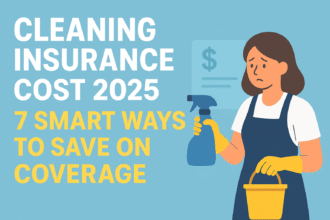
3. Cleaning Business Insurance Compliance
Insurance is non-negotiable in 2025. Clients demand it, and regulators require it.
🛡️ Essential Insurance Policies:
- General Liability Insurance
Covers property damage and injuries during cleaning operations. - Workers’ Compensation Insurance
Mandatory if you employ cleaning staff. See our guide on Cleaning Staff Insurance Explained - Professional Indemnity Insurance
Protects against errors, negligence, or claims from dissatisfied clients. - Commercial Vehicle Insurance
If your cleaning team uses company vehicles. - Equipment Insurance
Covers cleaning machines and supplies.
Source:: The Hartford Small Business Insurance provides tailored coverage for cleaning companies.
4. Cleaning Contracts and Client Agreements
Contracts protect your business from disputes and build professionalism.
🧾 Must-Have Clauses in a Cleaning Contract:
- Scope of Work
- Payment Terms
- Liability Clause
- Cancellation Policy
- Confidentiality Clause
- Termination Terms
💡 Use legally reviewed templates from Rocket Lawyer or LegalZoom
5. Health, Safety, and PPE Compliance
Employee safety is a core compliance pillar. Cleaning often involves exposure to chemicals, ladders, and machinery.
🧰 Key Health & Safety Checklist:
- Provide PPE (gloves, masks, uniforms)
- Conduct chemical handling training
- Maintain Safety Data Sheets (SDS)
- Label hazardous materials
- Schedule regular safety inspections

Tip: Follow OSHA’s 29 CFR 1910 standards or your country’s safety code.
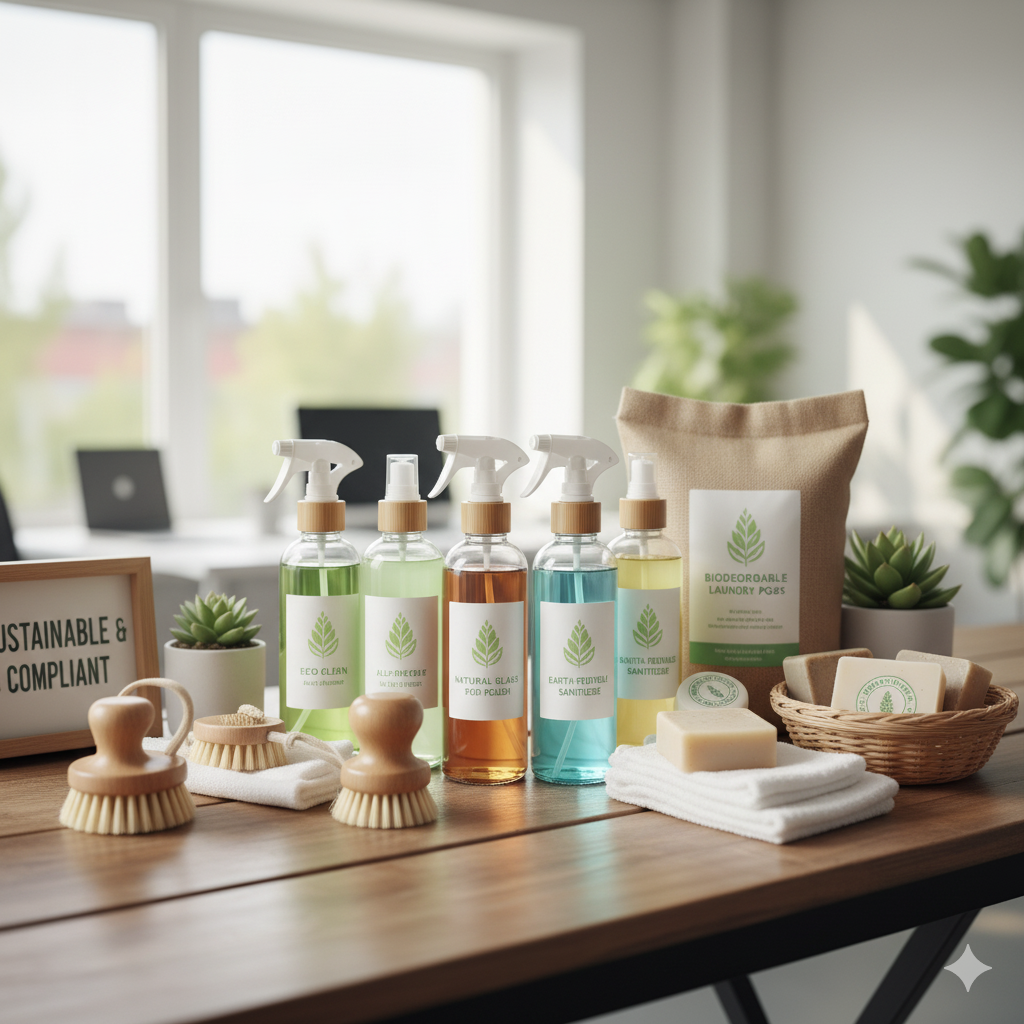
6. Environmental & Green Cleaning Compliance
Sustainability is no longer optional. Eco-friendly compliance enhances brand image and meets modern client expectations.
🌱 Green Cleaning Checklist:
- Use biodegradable and non-toxic cleaning products
- Properly dispose of chemical waste
- Reduce plastic packaging
- Encourage reusable cleaning tools
Source: EPA Green Cleaning Program for verified sustainable practices.
7. Employee Compliance & Payroll Regulations
Hiring cleaning staff introduces HR and payroll obligations.
👷 Employee Compliance Steps:
- Verify employee eligibility
- Register under local labor laws
- Provide written contracts
- Ensure equal pay compliance
- Track working hours for wage calculation
- Register for payroll tax deductions
Related Post: Learn more from our “Workers’ Compensation for Cleaning Staff” guide for 2025.
8. Tax Compliance and Recordkeeping
No cleaning startup can survive without proper tax management.
📑 Tax Checklist:
- Maintain income and expense records
- File quarterly or annual taxes
- Track deductible expenses (equipment, insurance, transport)
- Register for sales/VAT/GST where required
- Use accounting software (QuickBooks, Xero)
💡 Tip: Stay audit-ready by saving all receipts and bank records for 7 years.

9. Data Protection & Client Privacy Compliance
With digital invoicing and client databases, you must ensure GDPR or equivalent data compliance.
🔒 Cleaning Data Checklist:
- Secure client data storage
- Use encrypted software for scheduling and payments
- Avoid sharing client info without consent
- Train staff in privacy protection
External Resource: GDPR.eu Data Protection Rules
10. Local & Industry Certifications
Having certified credentials gives your cleaning startup credibility.
📜 Popular Certifications:
- ISSA Cleaning Industry Management Standard (CIMS)
- OSHA Compliance Certificate
- ISO 9001 Quality Management
- Green Seal Certified Cleaning
Each certification enhances your business reputation and attracts corporate clients.
11. Equipment & Chemical Safety Compliance
Every cleaning business relies on proper chemical labeling, storage, and usage.
🧴 Safety Requirements:
- Follow manufacturer guidelines
- Maintain up-to-date SDS sheets
- Store chemicals in secure cabinets
- Provide ventilation in storage rooms
- Replace expired chemicals

💡 12. Marketing & Brand Compliance
Even advertising is regulated. Avoid misleading claims and ensure truthful service descriptions.
Examples of compliant marketing:
✅ “Eco-certified cleaning service” (if certified)
❌ “100% chemical-free” (if not fully verifiable)
13. Recordkeeping and Audit Preparation
Prepare a compliance folder to store:
- Licenses and permits
- Employee contracts
- Insurance certificates
- Safety training logs
- Invoices and tax records
Auditors often check these documents during inspections.
14. Continuous Improvement
Compliance is not one-time—it’s ongoing. Set quarterly compliance reviews to adapt to new laws or technologies.
Tools:
- Trello or Asana for tracking compliance tasks
- Google Drive for digital record storage
Frequently Asked Questions (FAQs) – Cleaning Compliance Checklist
1. What is a cleaning compliance checklist?
It’s a structured list of legal, tax, and safety requirements cleaning startups must meet before operating.
2. Why do cleaning companies need compliance?
It ensures legal safety, avoids fines, and builds trust with clients.
3. What are the key compliance documents for a cleaning business?
Licenses, insurance policies, safety records, tax registration, and employee contracts.
4. Do small cleaning startups need insurance?
Yes, even sole proprietors need liability and worker insurance.
5. How often should compliance be reviewed?
At least quarterly or whenever regulations change.
6. Is VAT/GST registration mandatory for cleaning companies?
Yes, if your revenue exceeds your country’s threshold.
7. Can I operate a cleaning business without certification?
You can, but certifications increase credibility and client confidence.
8. What’s the penalty for non-compliance?
Fines, business suspension, or loss of contracts.
9. How can I prove eco-friendly compliance?
Use EPA-approved products and obtain Green Seal or ISO certification.
10. Do I need a business license in every state/city?
Yes, licenses are location-specific.
Expert Advice: Cleaning Compliance Checklist
Building a cleaning company in 2025 is exciting—but without compliance, it’s risky.
A solid cleaning compliance checklist ensures you meet every legal, safety, and ethical standard. From taxes to employee safety, following these steps will protect your startup and set it up for long-term growth.
By staying compliant, you’re not only avoiding penalties—you’re building a trusted, future-proof cleaning brand.
🧾 Quick Summary
- ✅ Register your cleaning business and licenses
- ✅ Get proper insurance coverage
- ✅ Train employees on safety and PPE
- ✅ Stay VAT/GST and tax compliant
- ✅ Adopt eco-friendly cleaning practices
- ✅ Review compliance quarterly


2 Comments